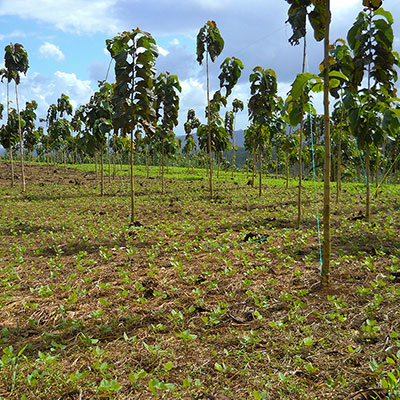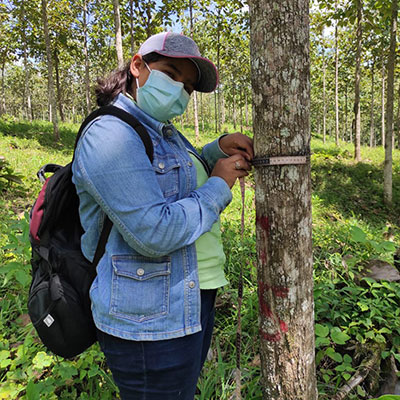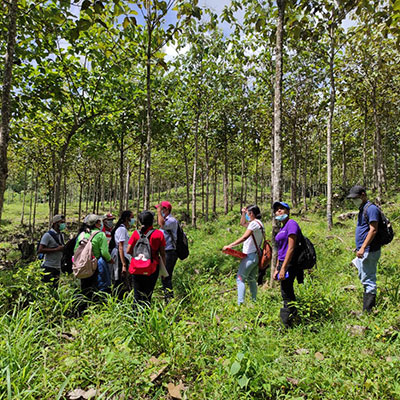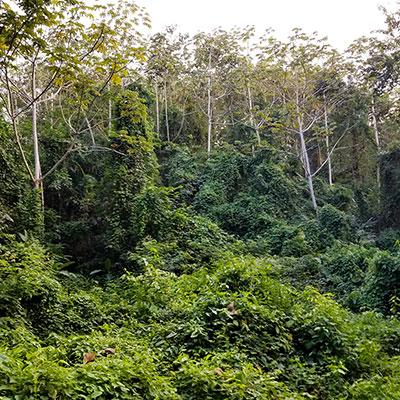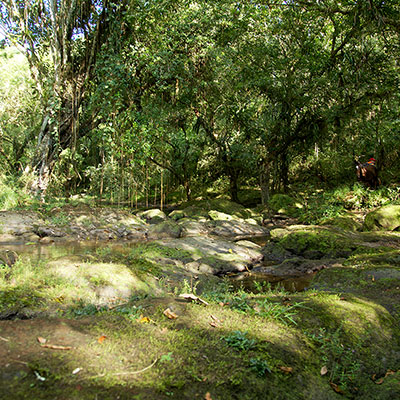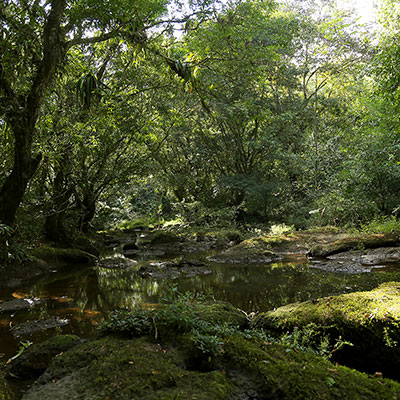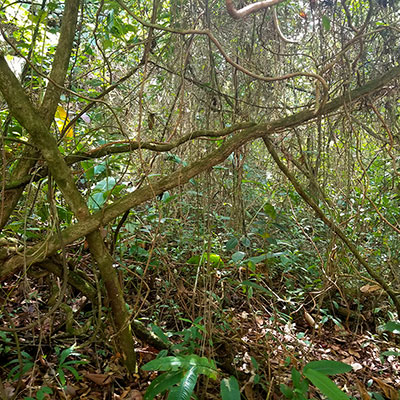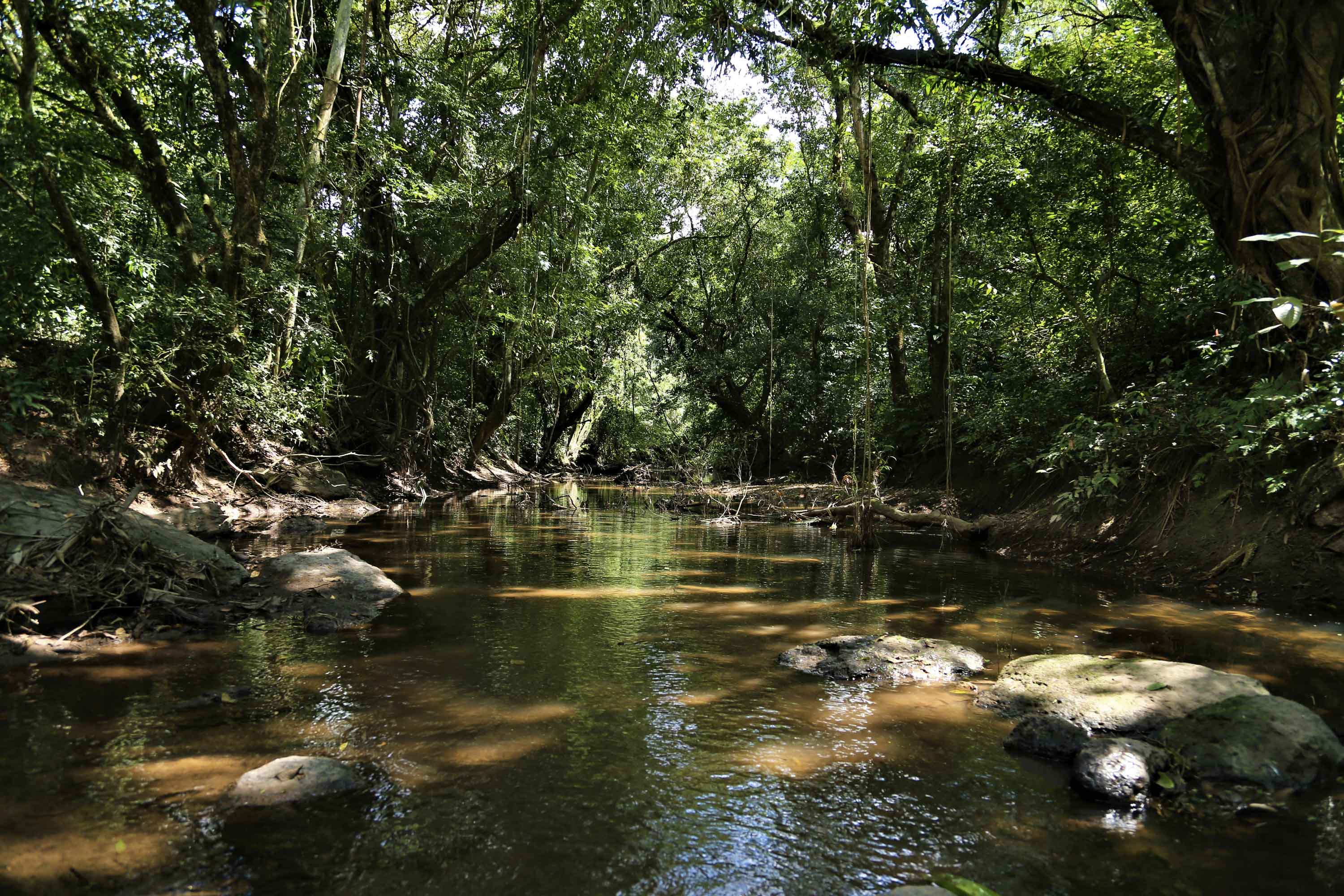

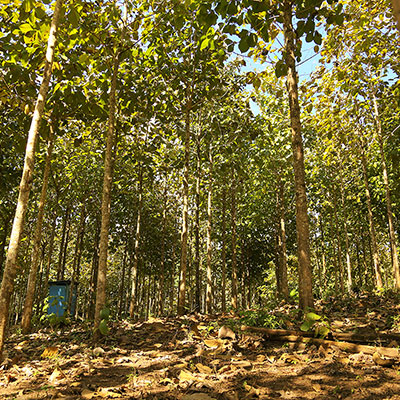
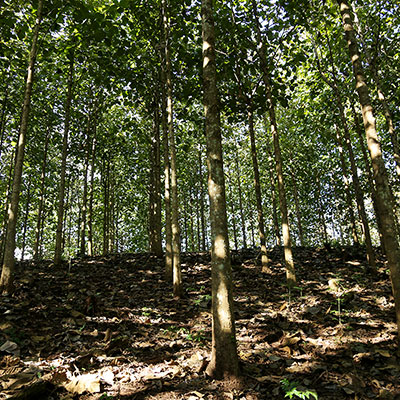
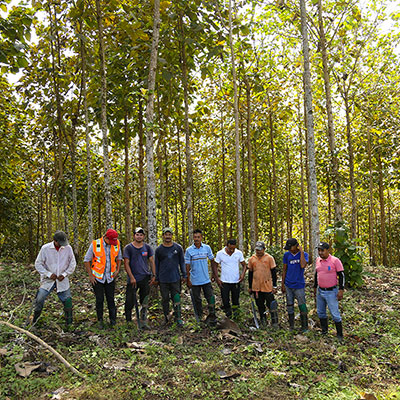
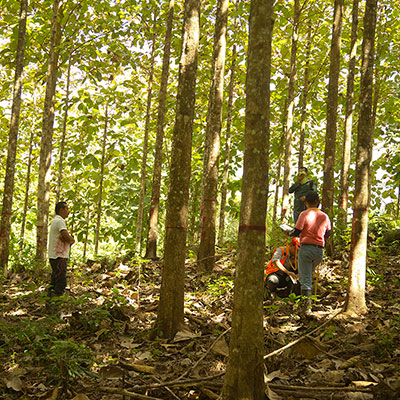
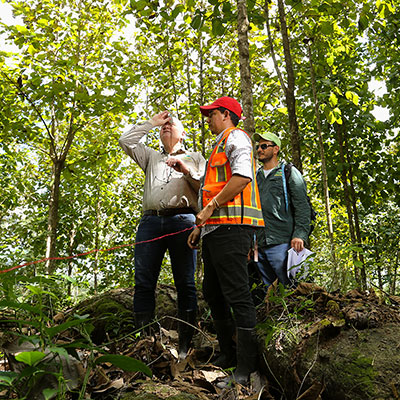
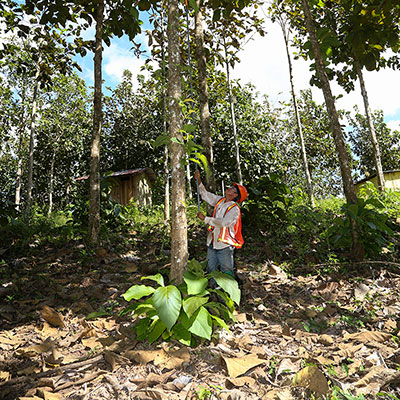
The NicaForest Gold Standard Project operates across 490 hectares of land in Nicaragua. This high-impact reforestation project includes protected areas, which are natural forests under NicaForest management, as well as teak plantations located in previously degraded land. By offsetting with NicaForest carbon credits, buyers are also supporting education, food security, watershed, and economic wellbeing of the local communities in the region.


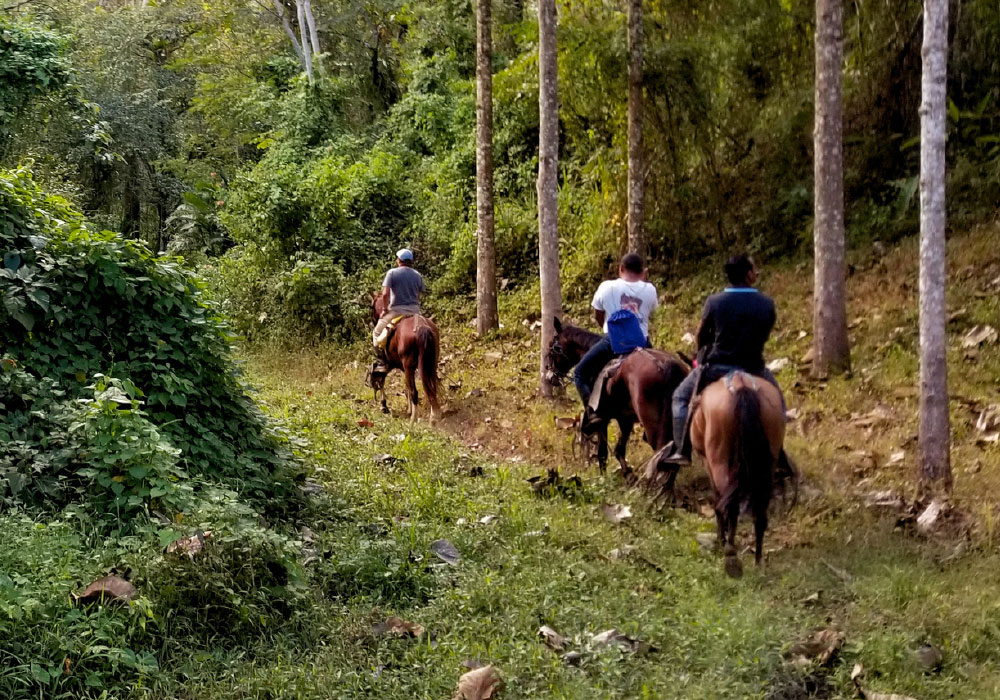
The NicaForest Project operates across multiple forestland, teak plantations and protected areas in Nicaragua, Central America. Individual project locations include the Amelia farm (67,000 trees planted), Rosario de Fatima farm (33,000), Santa Maria Farm (33,000), and Santa Elena Farm (227,000).

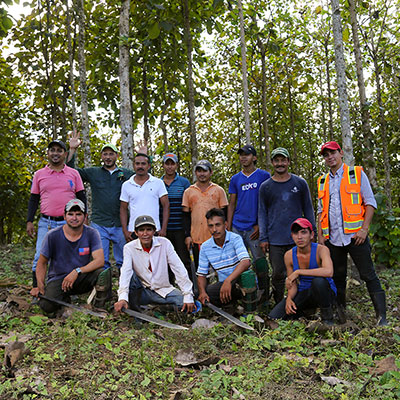
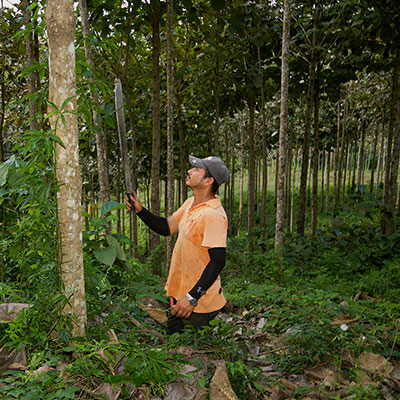
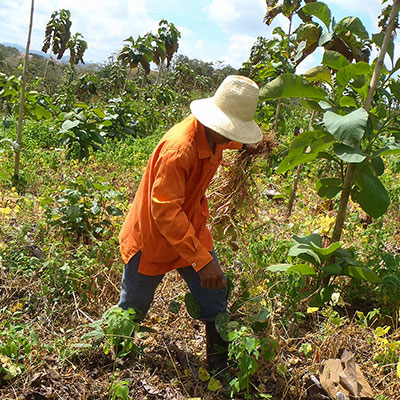
Providing employment opportunities to local communities as well as entry into the international carbon and timber markets. The project also provides a sustainable, economically viable alternative to cattle ranging, which is currently the region's primary economic driver.

NicaForest is committed to establishing zero hunger within the region, through initiatives such as community-led intercrop planting and enabling the planting of beans in between trees. Not only does this ensure food security, nitrogen from beans helps to enrich the soil for the benefit of all plant species within the plantation.

NicaForest is committed to improving universal health and wellbeing within the region. Project initiatives are designed to support local communities with food security and ensuring access to clean water across the surrounding area.

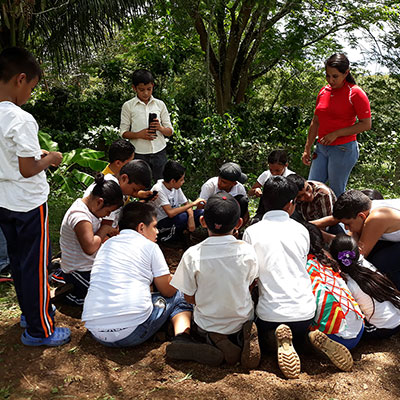
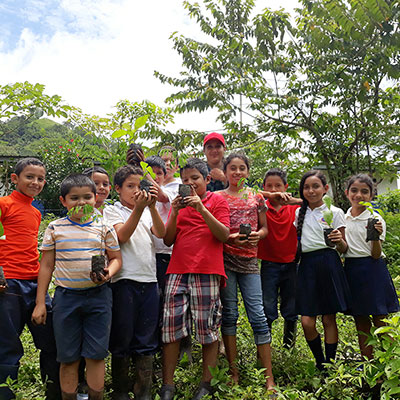
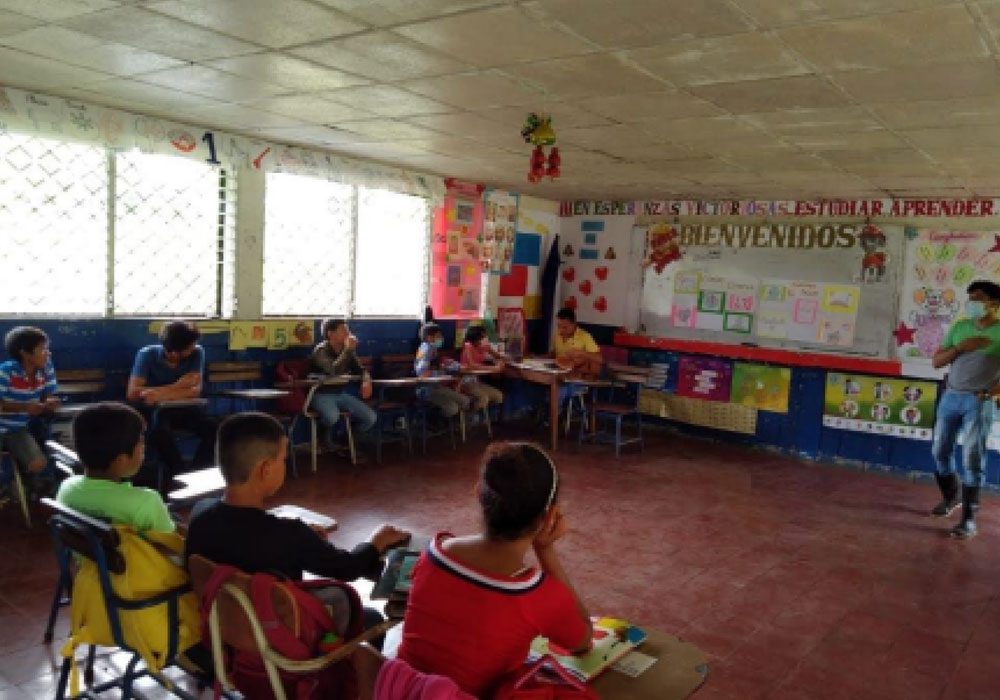
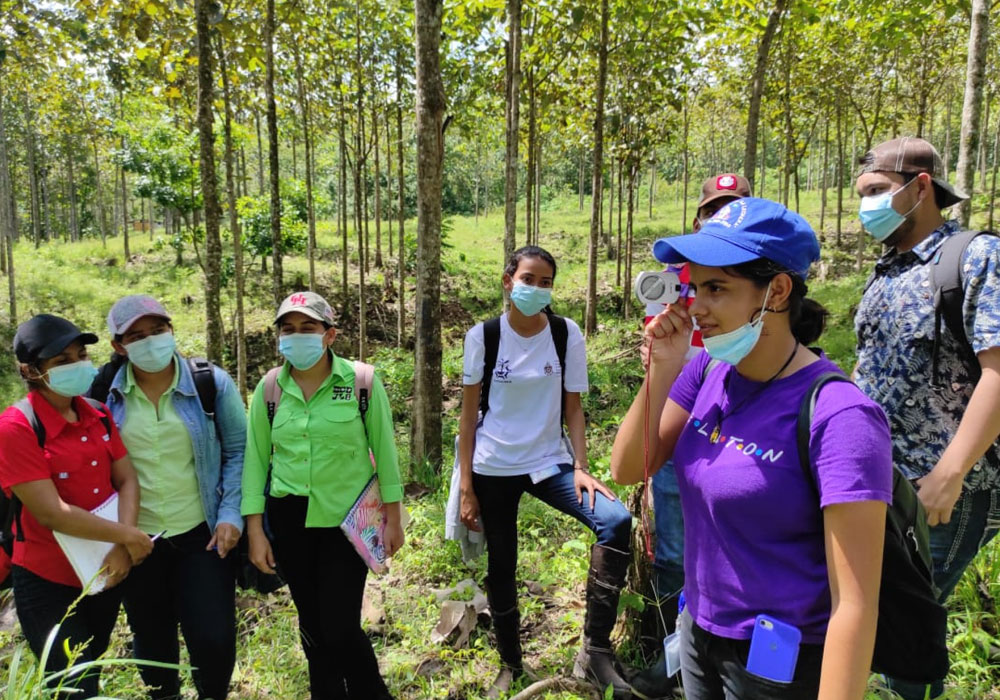
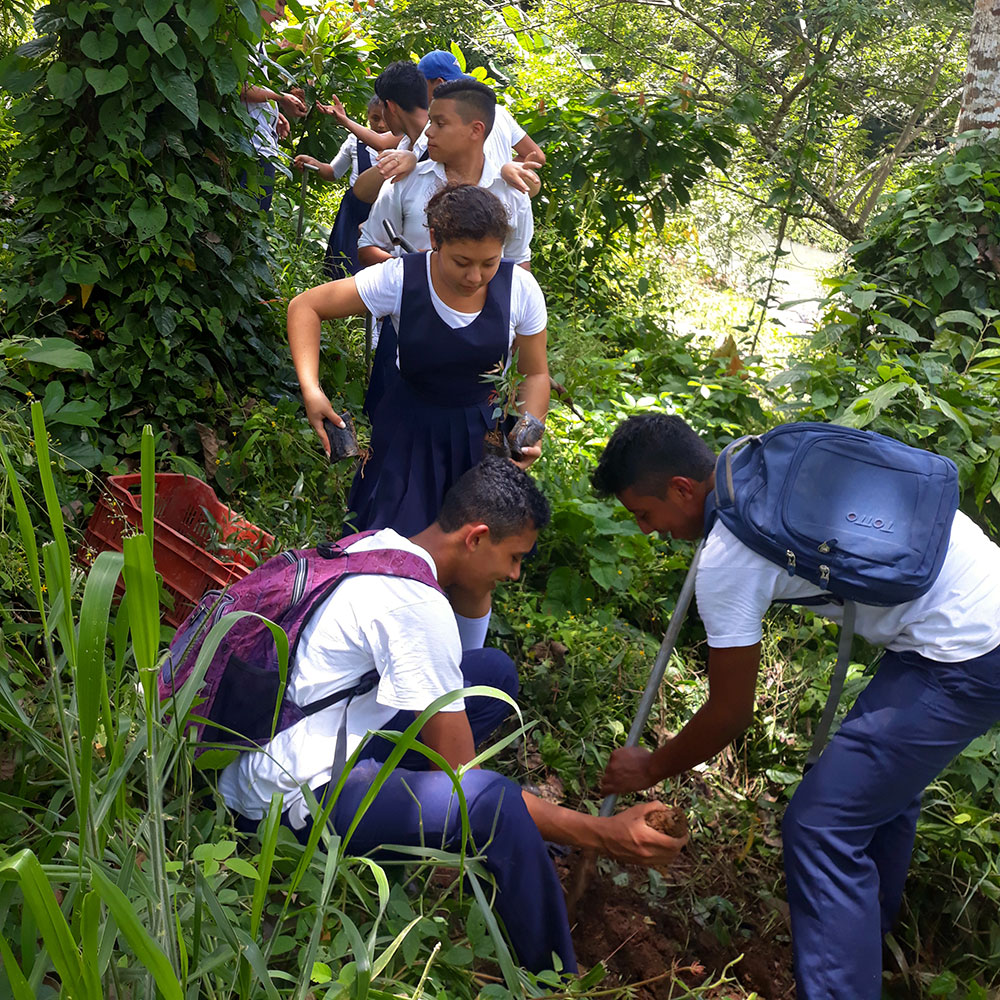
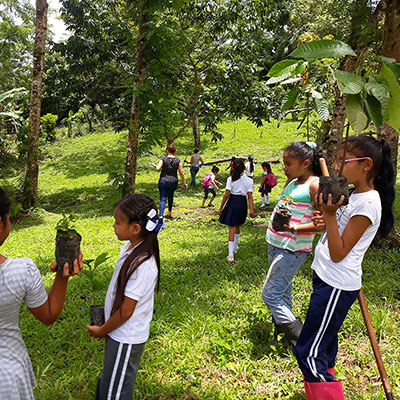
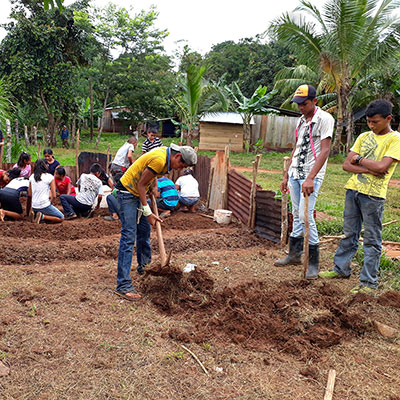
NicaForest provides workshops on sustainability for local middle and high-school students. In partnership with universities in the region, the project also offers internship opportunities for the next generation of aspiring environmentalists.

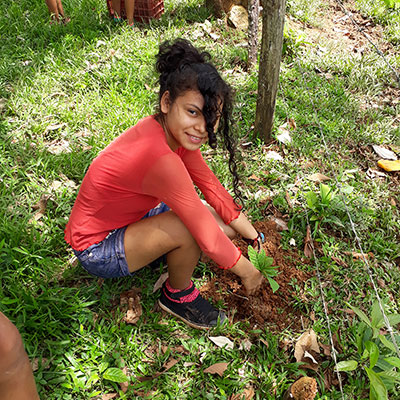
Nicaforest is committed to fostering gender equality both internally within the project and externally across communities within the region. NicaForest offers employment opportunities for women in all areas, including those traditionally dominated by men. In addition, female-only workshops in schools and university internships are provided to encourage equal opportunities at all ages.

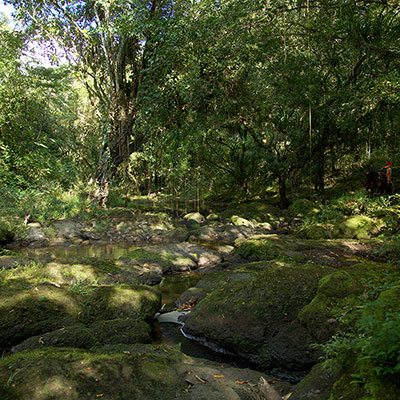
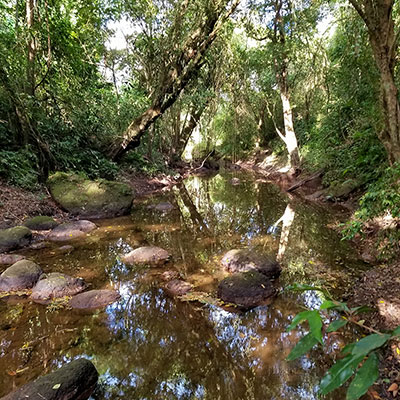
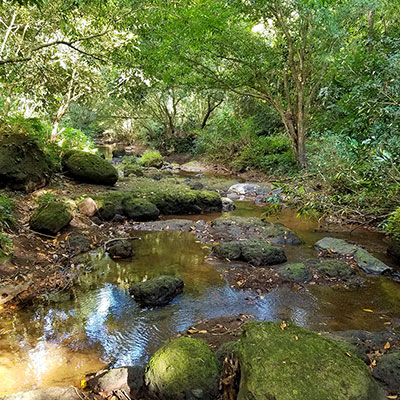
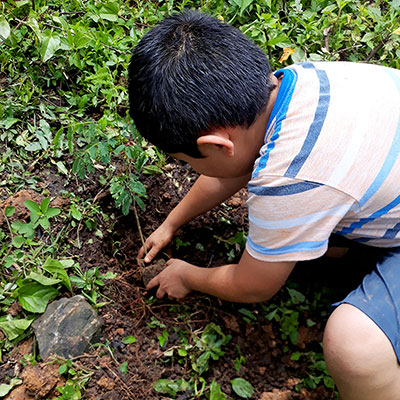
Nicaforest has integrated stringent watershed management within their project operations, which include initiatives such as delaying the construction of roads in order to avoid the compounding effect of erosion across the project lifespan. The project also supports effective watershed management among local communities through the donation of tree saplings for planting along bodies of water to preserve their integrity.

NicaForest supports economic growth within the region through the creation of a sustainable value chain built around forestry. This is enabled through shared benefit agreements with local farmers to restore land depleted from cattle ranging, and providing access to international carbon and timber markets.

The Nicaforest project is focused on carbon sequestration with a wider impact across climate, community, and environment. The reforested areas under management are all located in previously depleted land, with sites selected using the clean development mechanism (meaning they have been deforested since at least 1989). The project also provides locals with viable alternatives to unsustainable industries, such as cattle ranging, thereby preventing emissions and ensuring additionality.

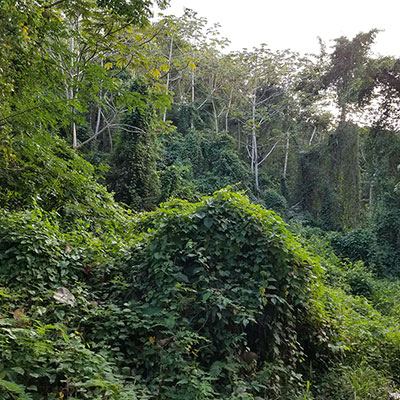
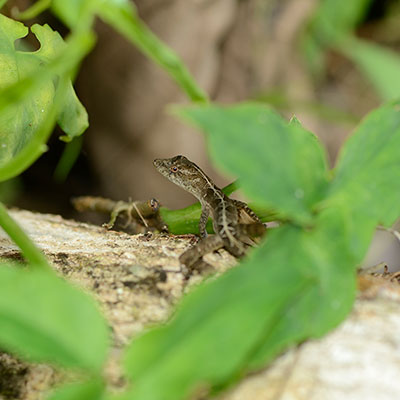
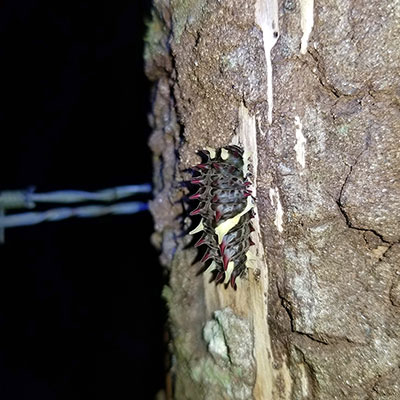
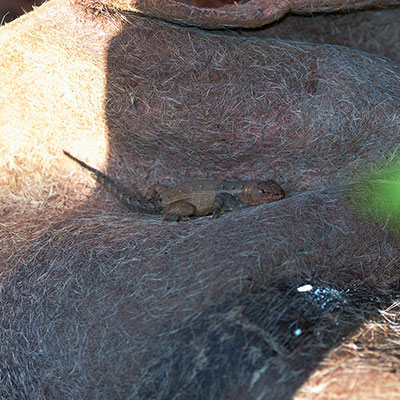
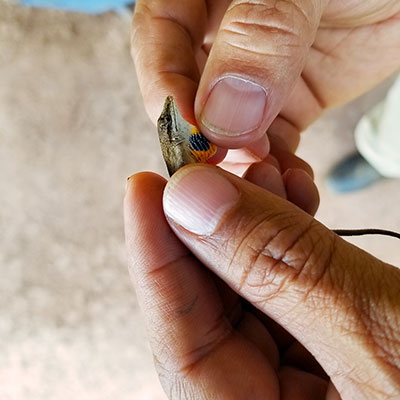
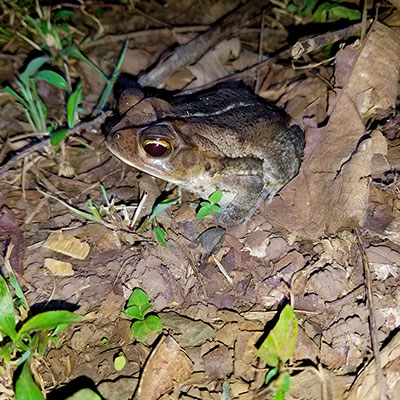
Approximately 20% of the land under management by NicaForest is designated as protected. These protected areas house local flora and fauna, which NicaForest monitors to evaluate the impact of project activities and ensure a positive impact on life on land.
Furthermore, through the reforestation of previously depleted land, Nicaforest has opened nature corridors for native species to return to areas that had previously been made unaccessible due to activities such as cattle ranging.
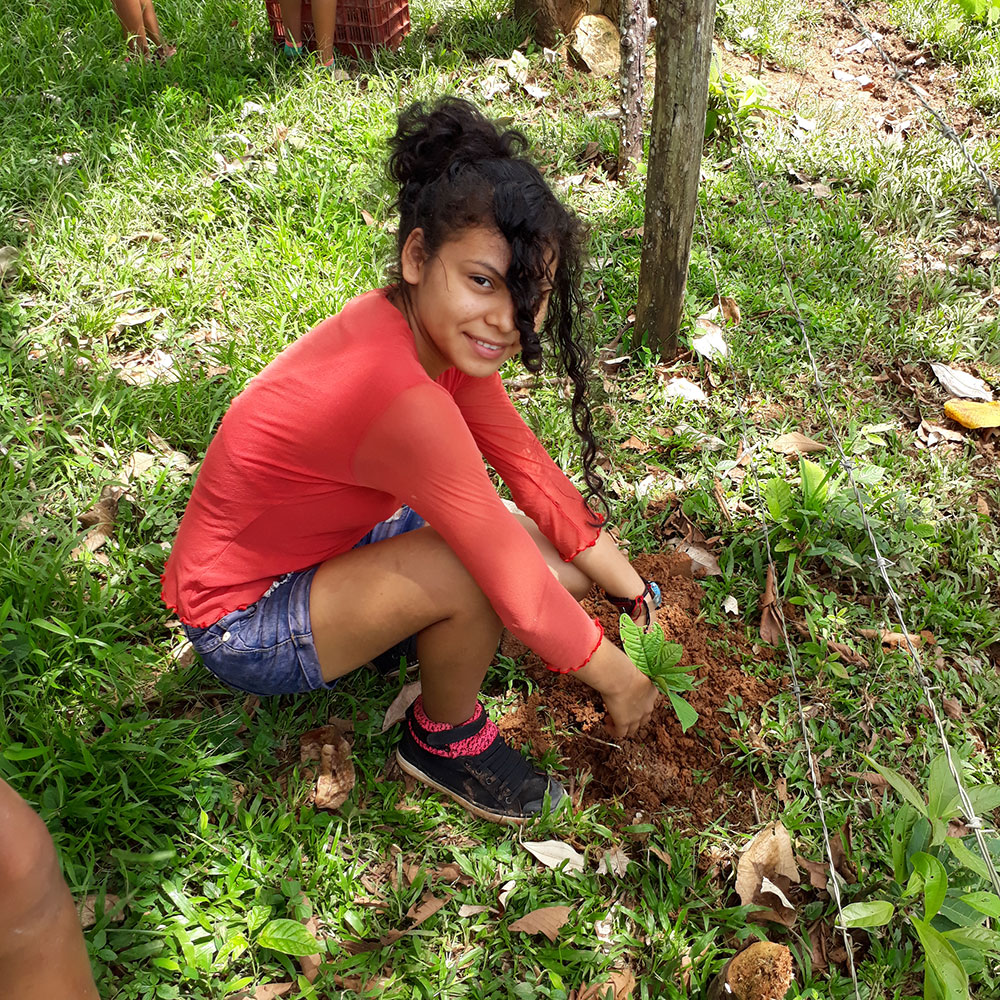
Maintaining and restoring forests is an integral part of the NicaForest environmental impact platform and plays a key role in fostering the health of the ecosystem as a whole. Initiatives include:
Protecting the local ecosystem is an integral part of sustainable land use and the management of protected areas is an integral part of NicaForest’s environmental impact. Initiatives include:
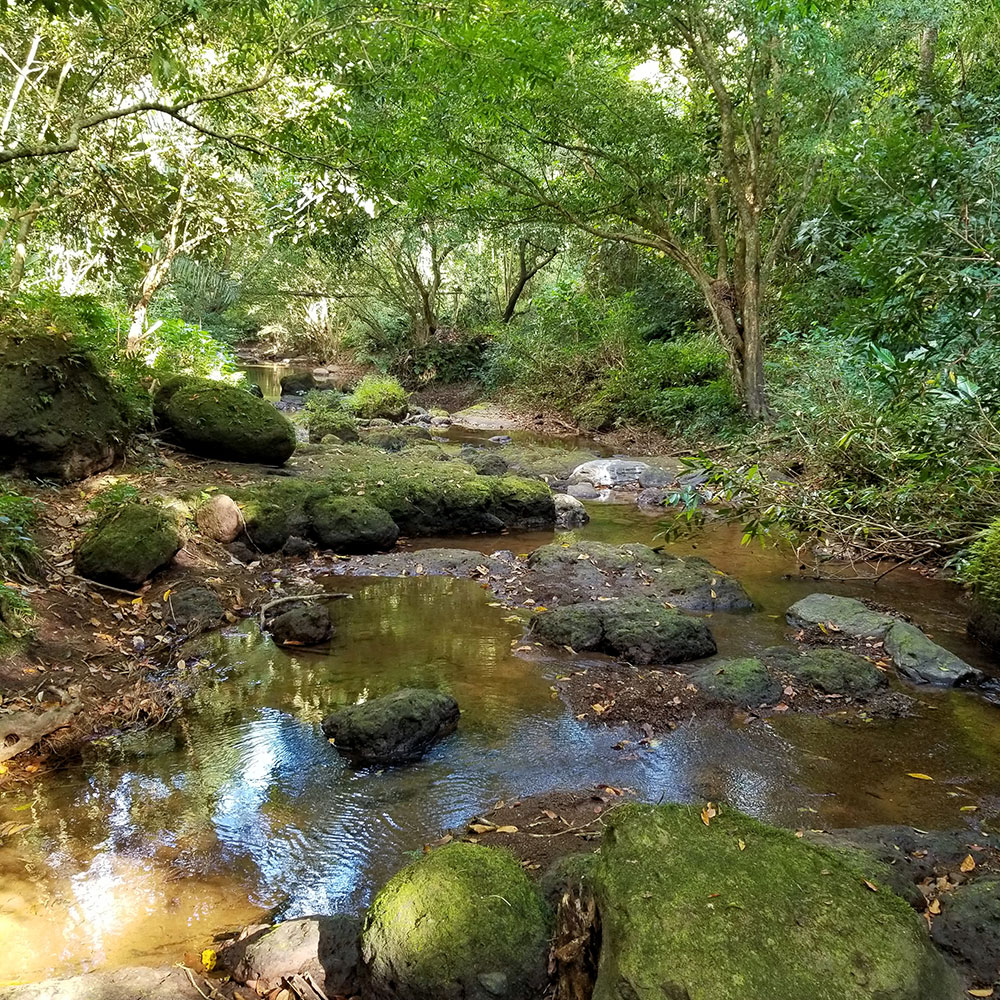
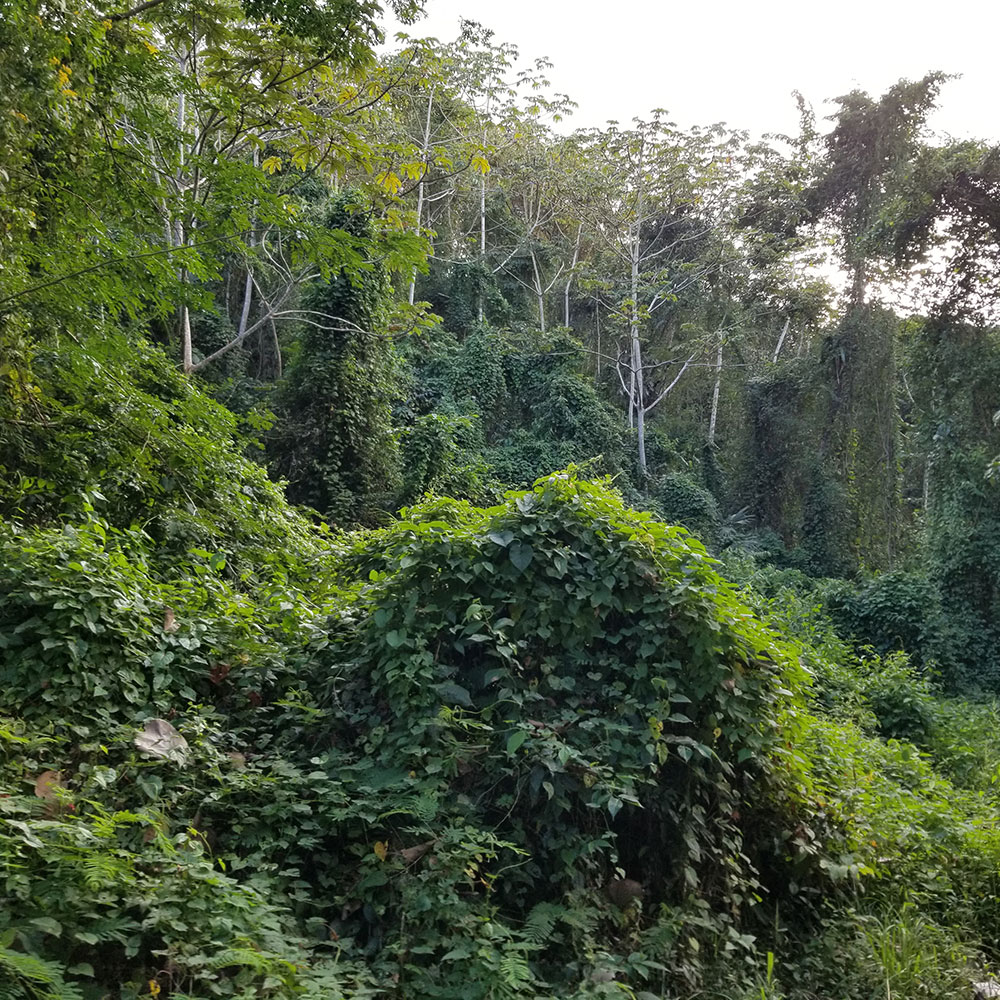
Teak forests and natural forests in protected areas serve as a natural form of carbon storage, resulting in an inherent positive impact on climate through carbon sequestration.
Education is the key to the future of sustainable development. NicaForest supports education in the community, and in doing so, has a lasting positive impact on development that extends beyond the scope of this high-impact reforestation project. Initiatives include:
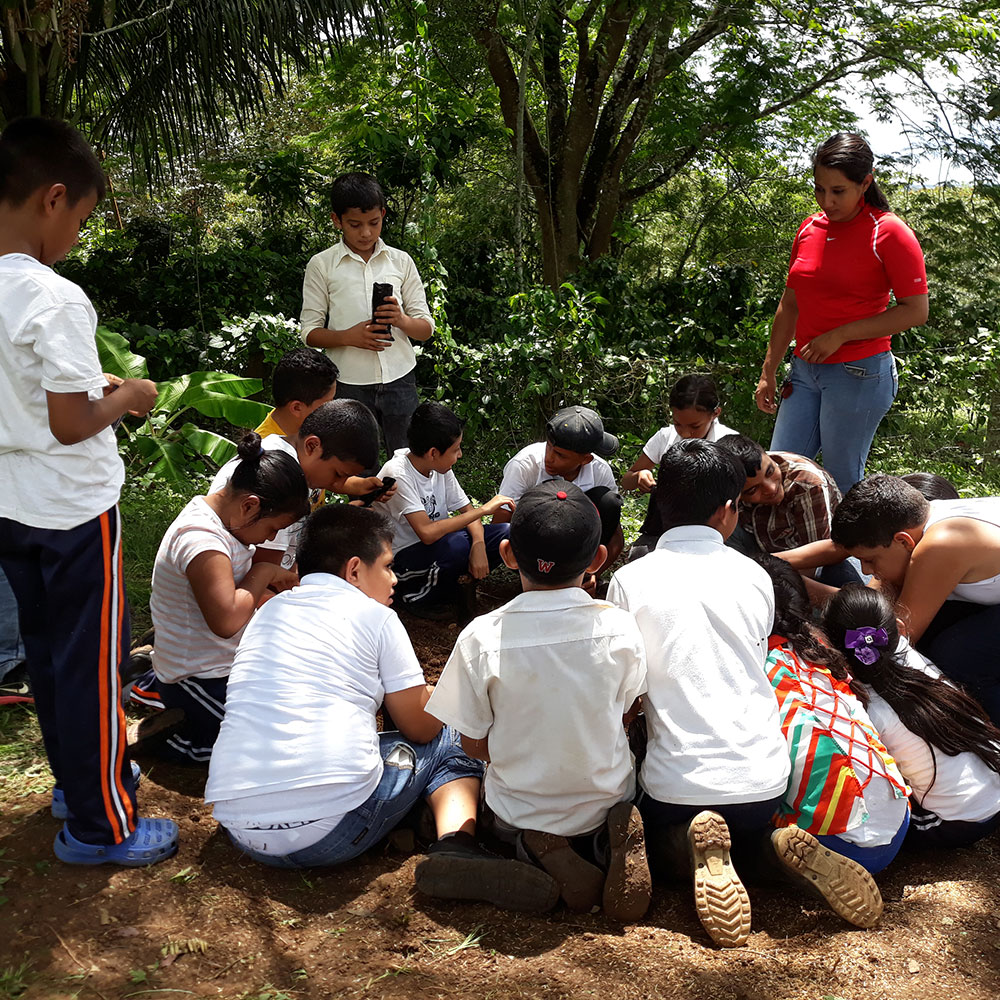
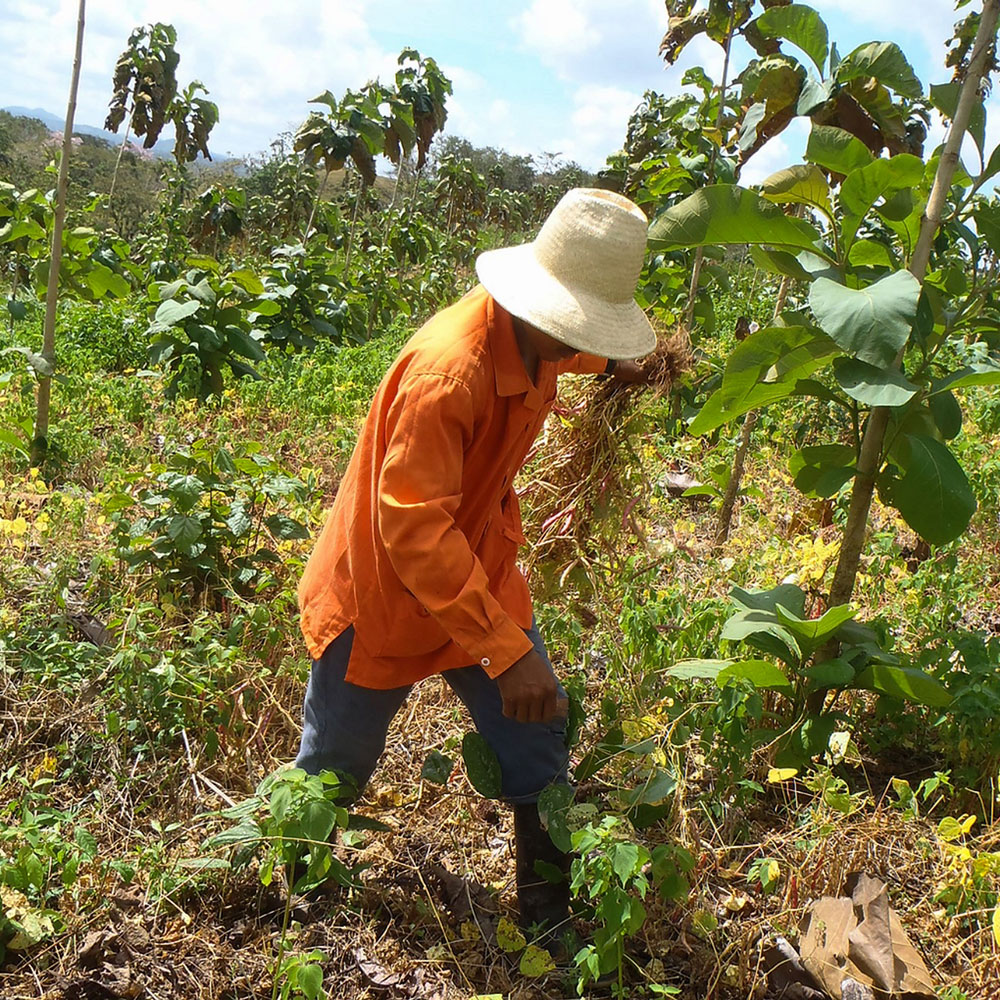
The NicaForest project understands the important role food security has in our community, and are proud to have close to a decade worth of initiatives that foster food security in the region. Initiatives include:
Water is a valuable and increasingly scarce resource that we all depend on every day. As a reforestation project, NicaForest understands the value of an effective watershed management strategy and are proud of the impact their initiatives have on improving water quality for the surrounding community. Initiatives include:
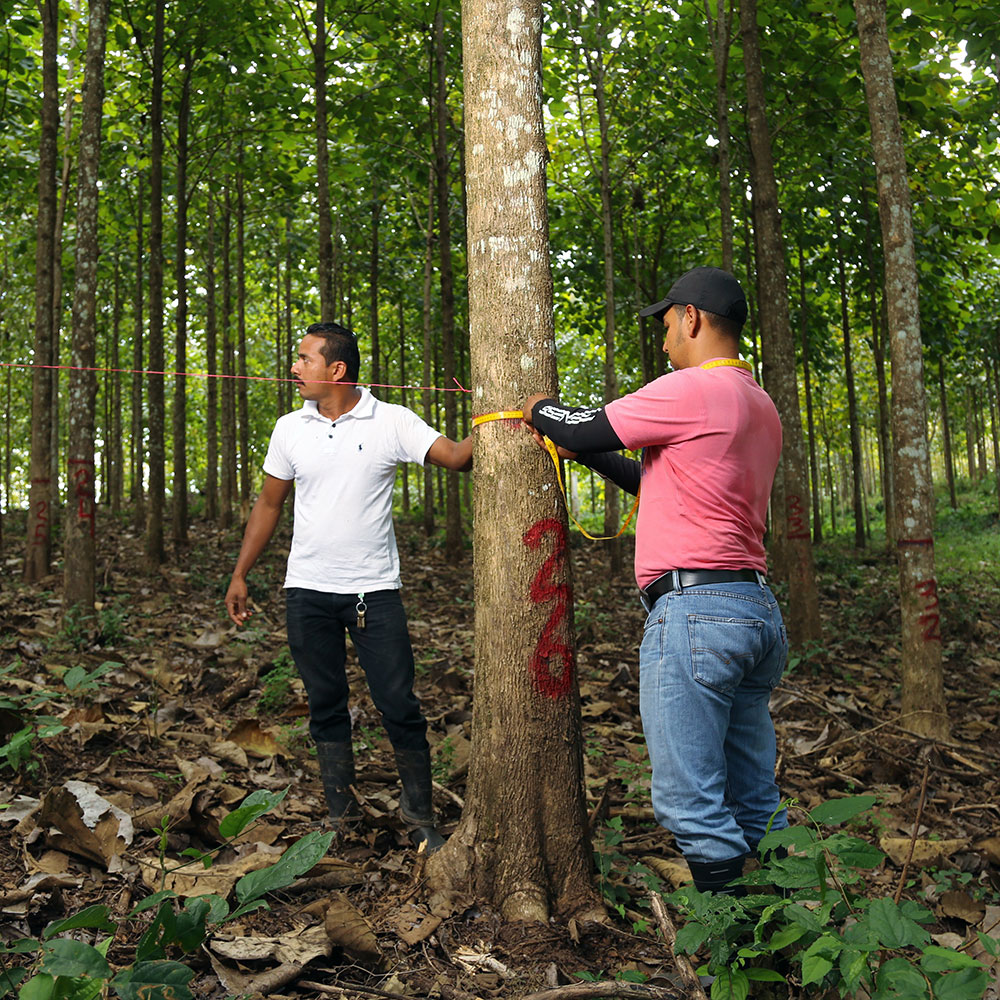
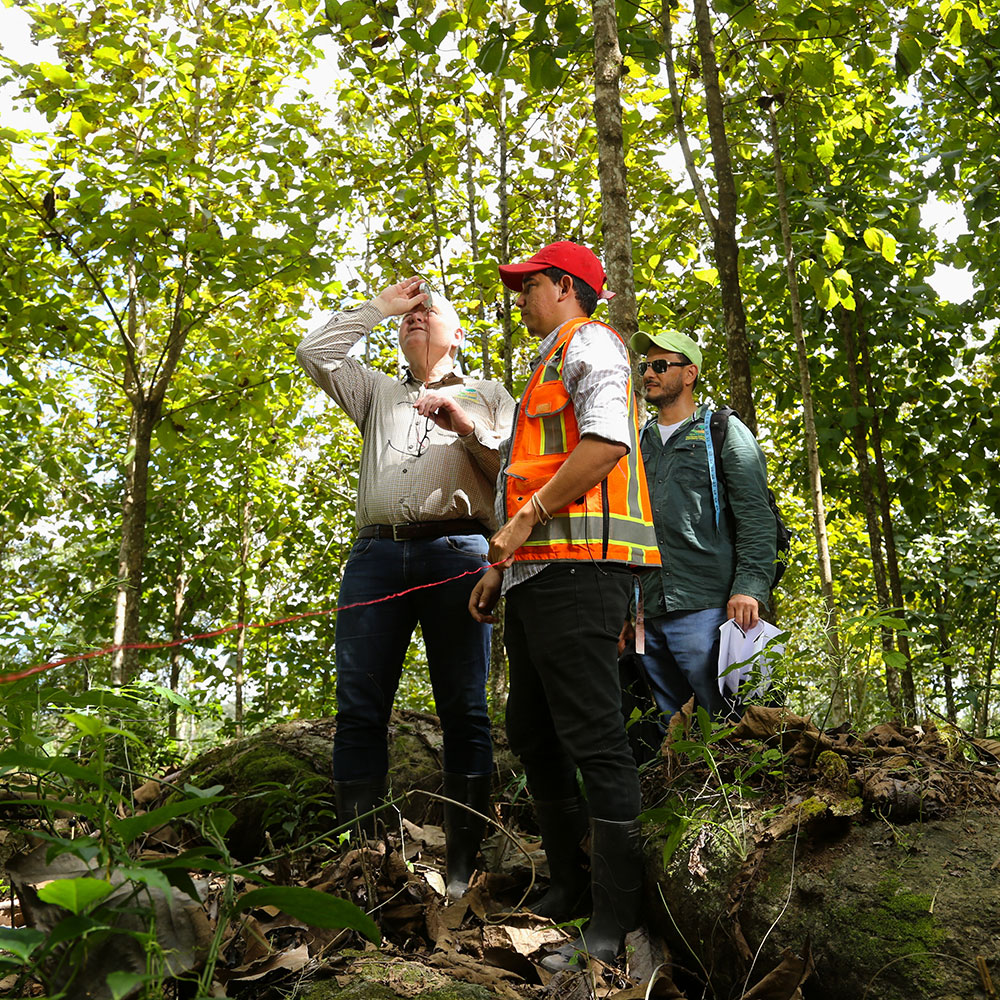
Decent work and economic growth for all is a fundamental part of a sustainable value chain, as well as a determining factor in improving living standards in a community. NicaForest embraces inclusive and sustainable economic growth across all parts of their operations. Initiatives include:
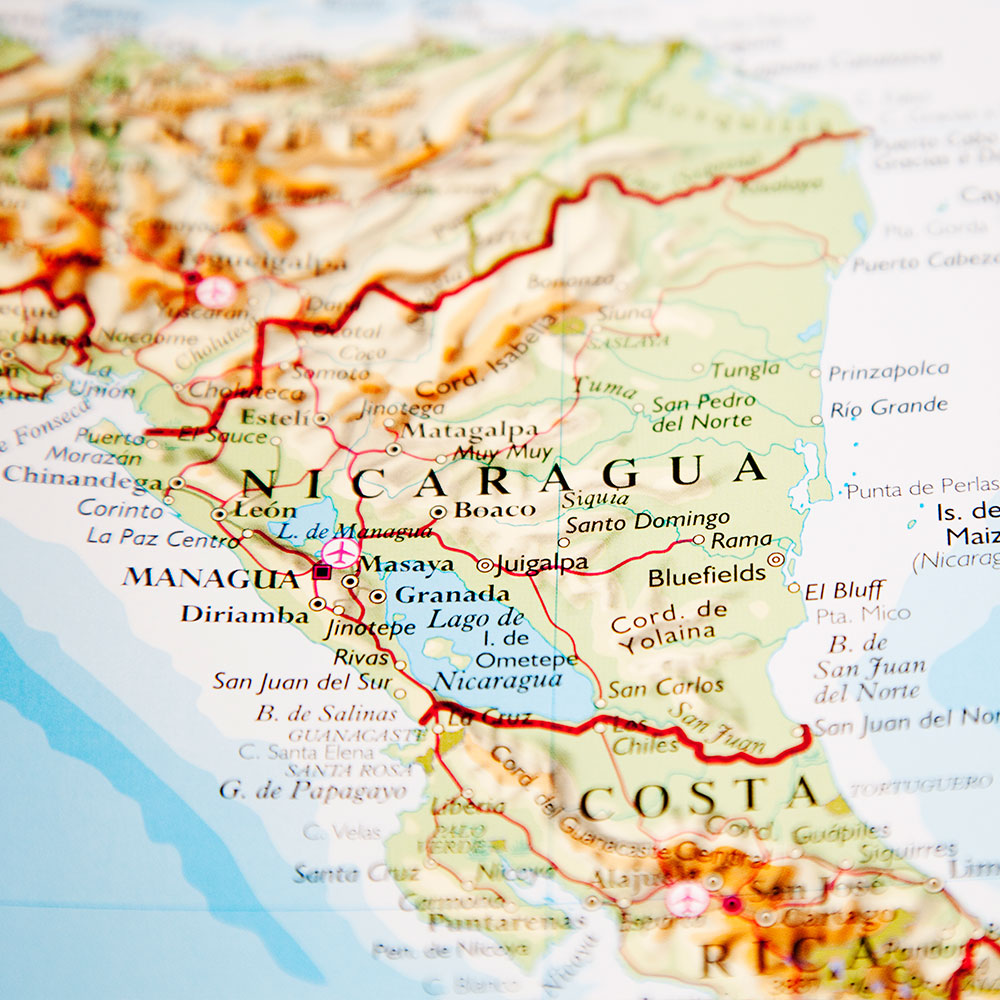
The Republic of Nicaragua is a country located in the Central America and borders Honduras to the north, Costa Rica to the south, the Pacific Ocean to the west and the Caribbean Sea to the east. It has an area of 130,370 km2 and a population of approximately 6.6 million (2020) people, of which 57% live in urban areas and 43% in rural areas. Nicaragua remains one of Latin America’s least developed countries, where access to basic services is a daily challenge. It is exposed to a number of events linked to natural climate variability, such as El Niño and La Niña phenomenon, monsoon-related events in the Pacific, tropical waves and hurricanes, among others. These generate serious threats, including droughts, floods, mudslides, water scarcity, and the destruction of crops, forests and homes.
Nicaragua has a tropical climate with little seasonal variation in temperature, which ranges between 21˚C-27˚C, and two distinct rainfall seasons: a ‘wet’ season’ (May-October) and a ‘dry’ season (November-April). A dry period called the ‘Canícula’ regularly interrupts the wet season during late July and early August. From July to October the country is subject to increased rainfall intensity and strong winds resulting from its geographic location in the path of Pacific cyclones and Atlantic hurricanes. El Niño Southern Oscillation fluctuations during June and August bring relatively warmer and drier or colder and wetter conditions, respectively.
From 2015 to the start of the recession in 2018, market-oriented reforms and sound macroeconomic management in Nicaragua encouraged foreign investment and contributed to a solid expansion in economic activity. Between 2000 and 2017, growth averaged 3.9 %, led by domestic demand fuelled by remittances and Foreign Direct Investment (FDI). However, the onset of the socio-political crisis in April 2018 and the COVID-19 pandemic in 2020 resulted in real Gross Domestic Product (GDP) contracting 8.8 % cumulatively between 2017 and 2020.
Despite the ongoing pandemic, economic activity rebounded strongly in the first half of 2021. The recovery was led by remittance-fuelled private consumption and a strong rebound in merchandise exports, underpinned by the global recovery. Private investment, returning from a low base, public investment in infrastructure, and trade also aided the recuperation.
The impacts of the COVID-19 crisis on the welfare of Nicaraguans continue to linger, as the main sources of income – wages and family-business incomes – remain affected. According to preliminary results from a World Bank High-Frequency Phone survey, by mid-2021, 44 % of households reported lower incomes. Food insecurity also worsened as 26 % of households (18 % in February 2020) reported running out of food during the last month leading up to the interview. Poverty – defined as living with an income below $3.2 per person per day (in 2011 Purchasing Power Parity (PPP) – is estimated to have increased from 13.5 % in 2019 to 14.6 % in 2021.


Despite a burgeoning recovery in the first semester 2021, economic activity is expected to be negatively affected in the second semester by growing political uncertainty in the run up to the November elections and increasing COVID-19 cases.
Nevertheless, the fiscal stimulus from COVID-related and programmed infrastructure spending should continue to support growth over the medium term. It is expected that the fiscal stimulus will be reduced only gradually to ensure that the recovery is well entrenched.Sectors expected to drive growth are mining, manufacturing, construction, and agriculture amid favourable international commodity prices. Gradually improving economic conditions should at least prevent further increases in poverty rates (defined as $3.2/day PPP), hovering around 14 % between 2021 and 2023.
Nicaragua is still one of Latin America’s least developed countries, where access to basic services is a daily challenge.








-tn.jpg)