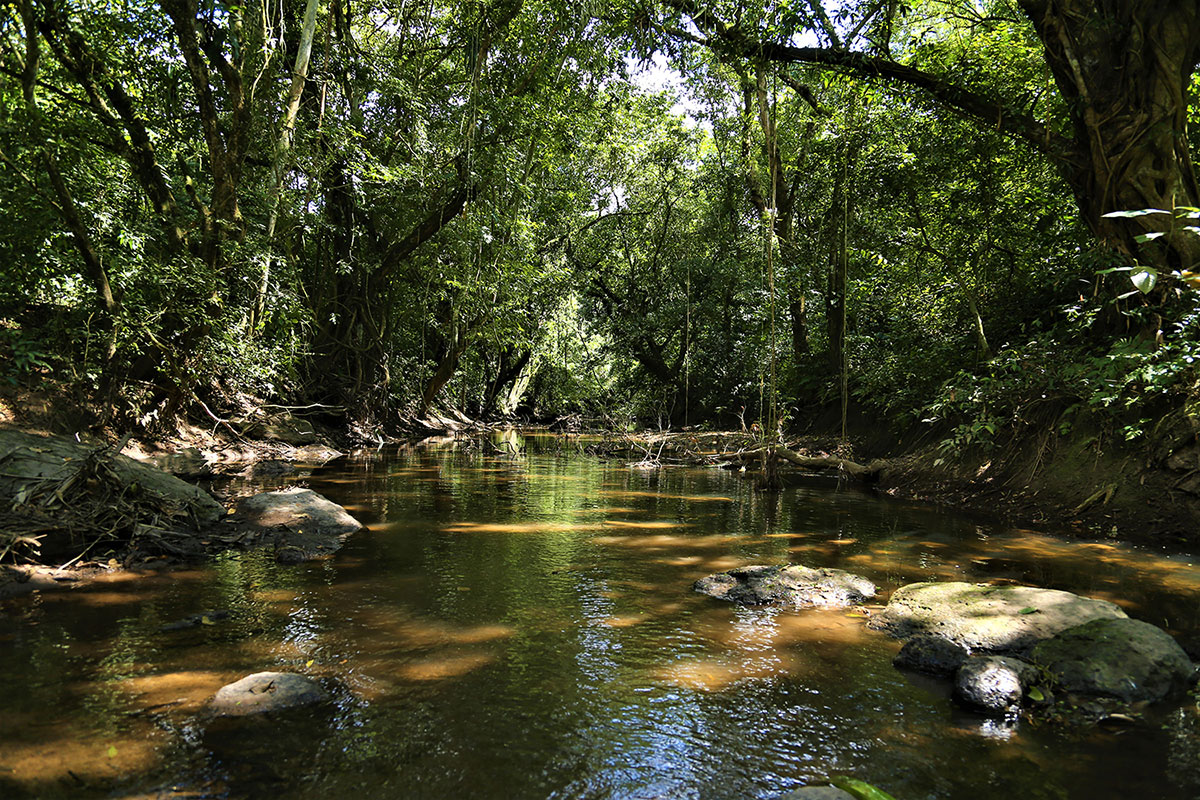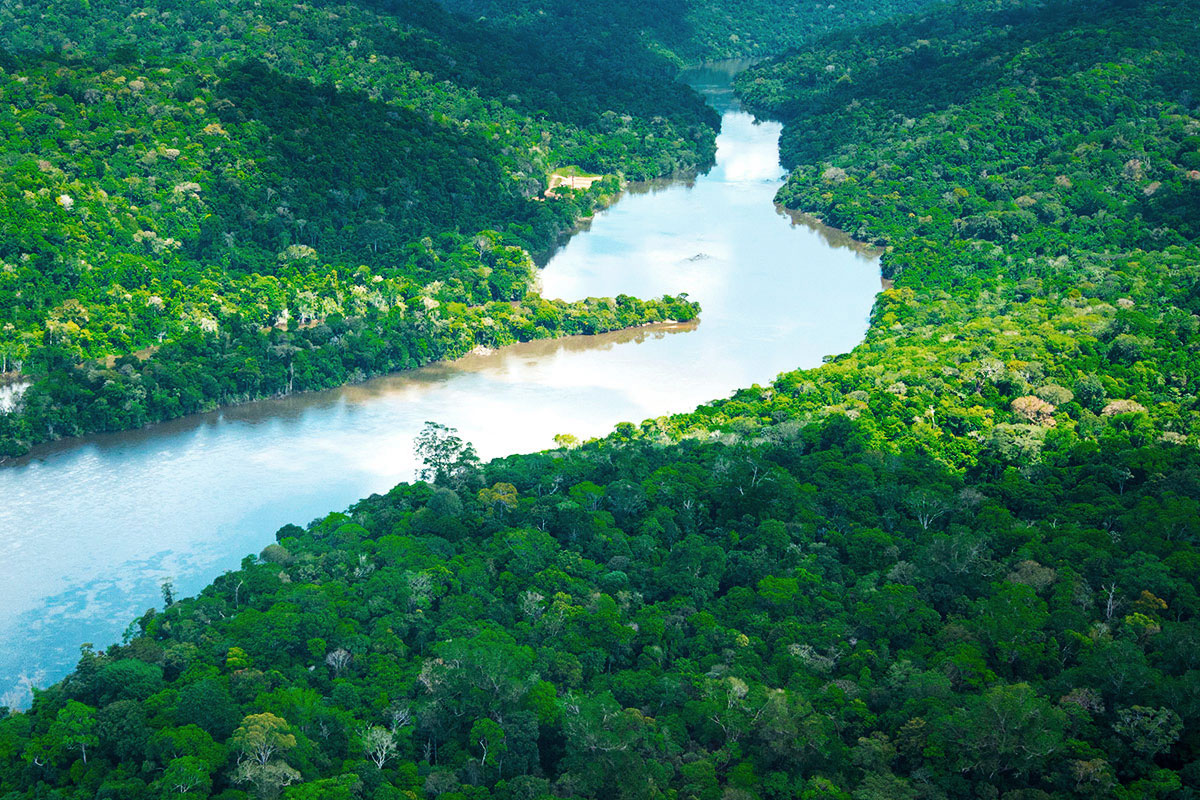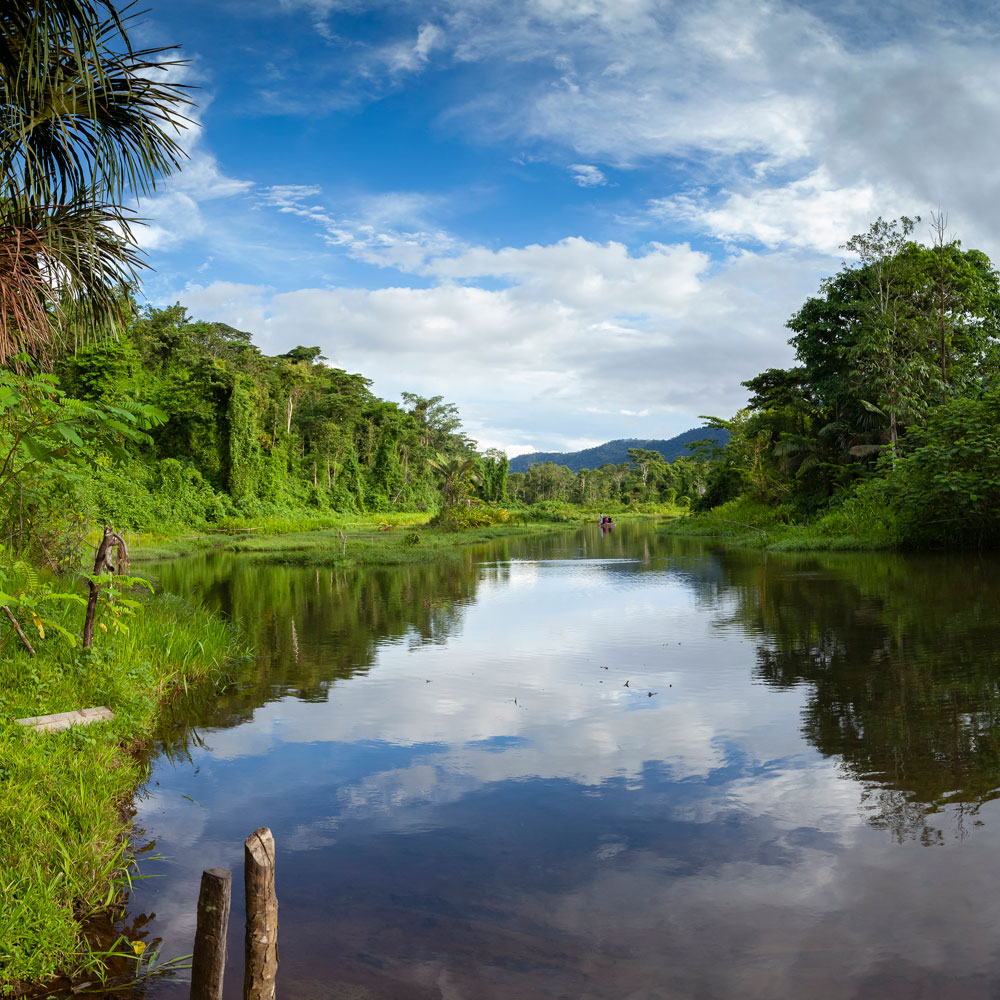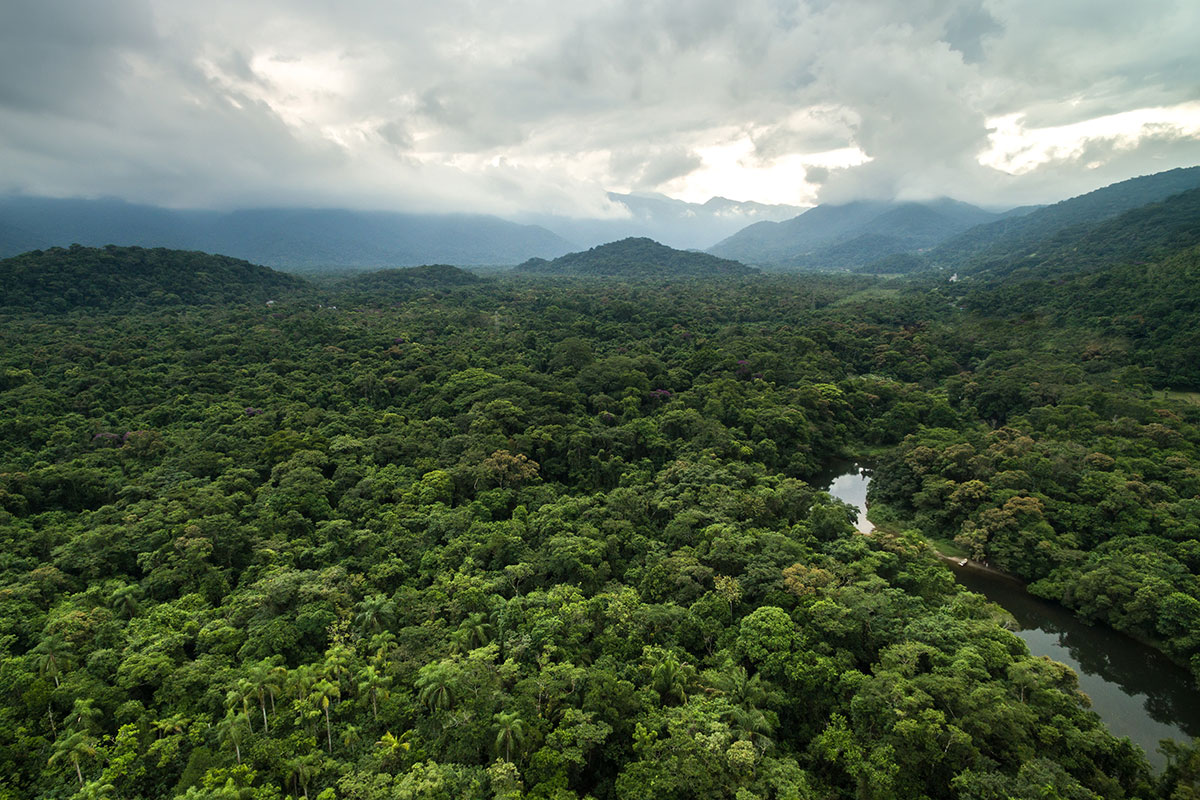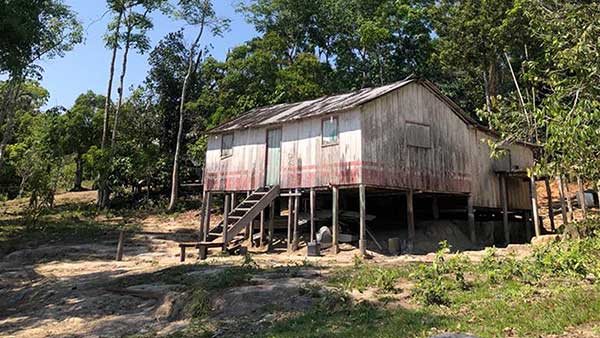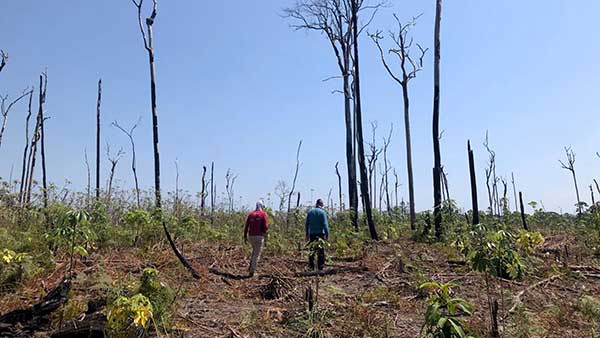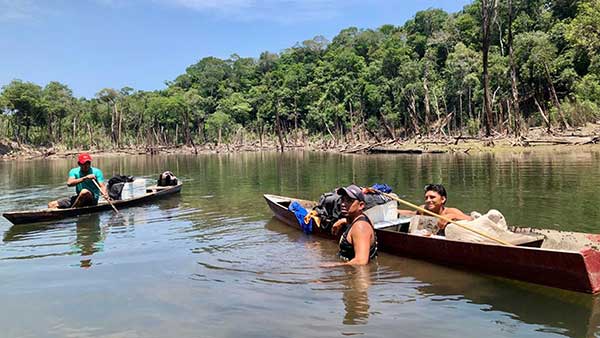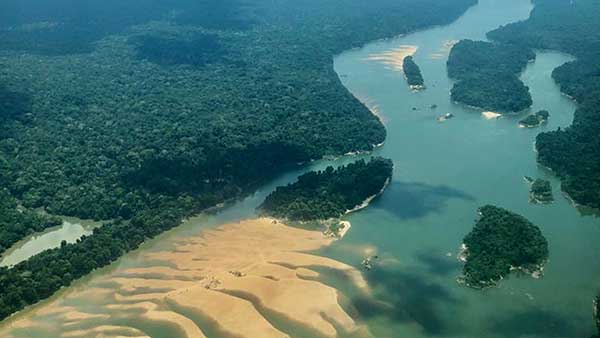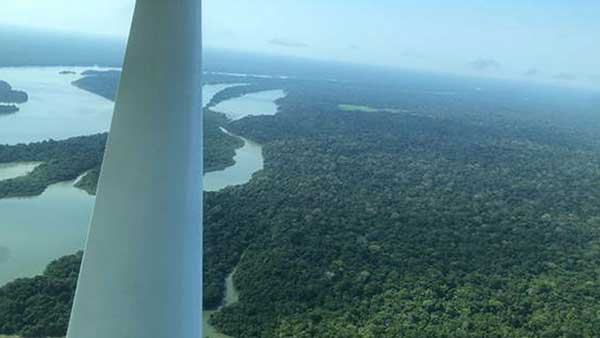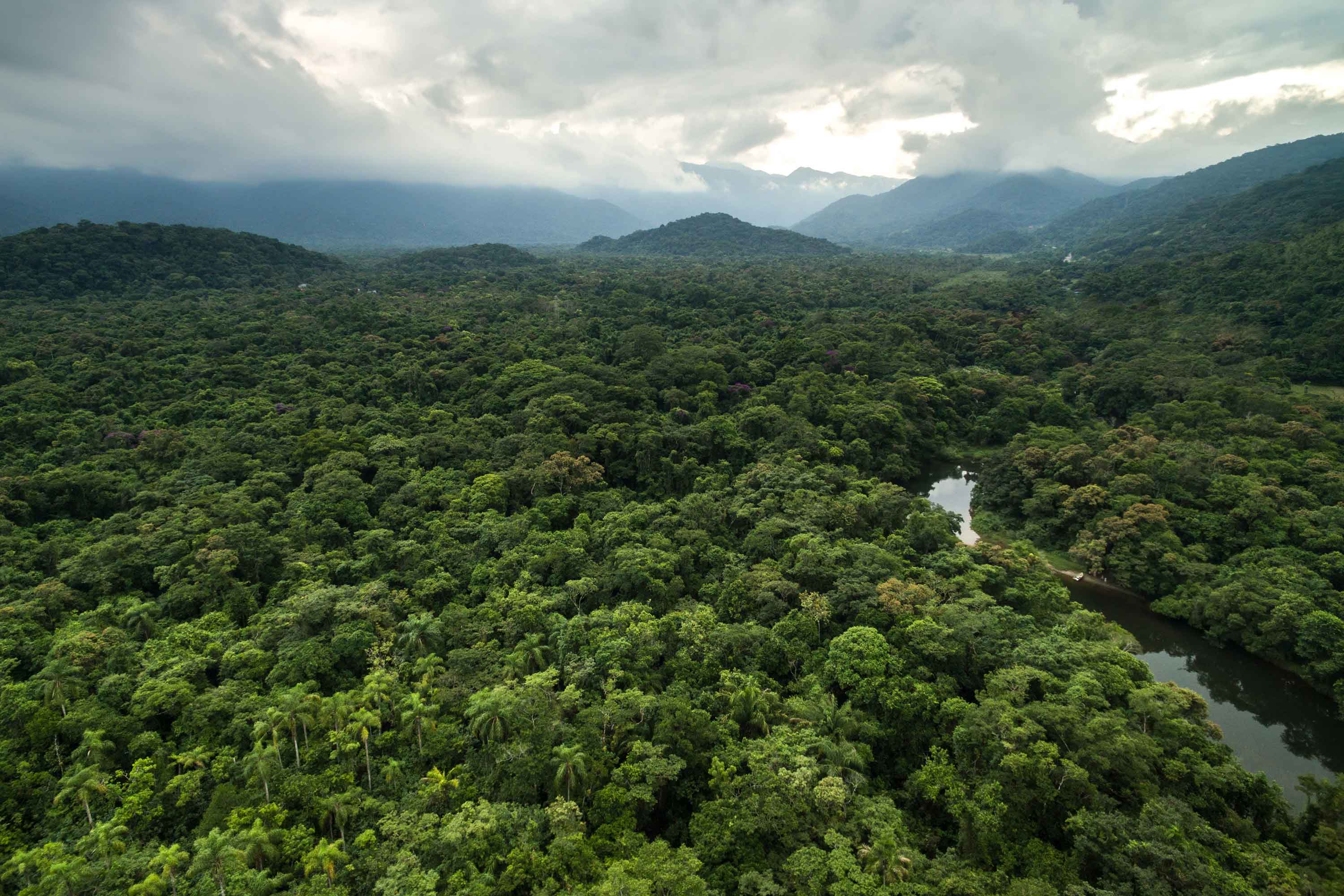
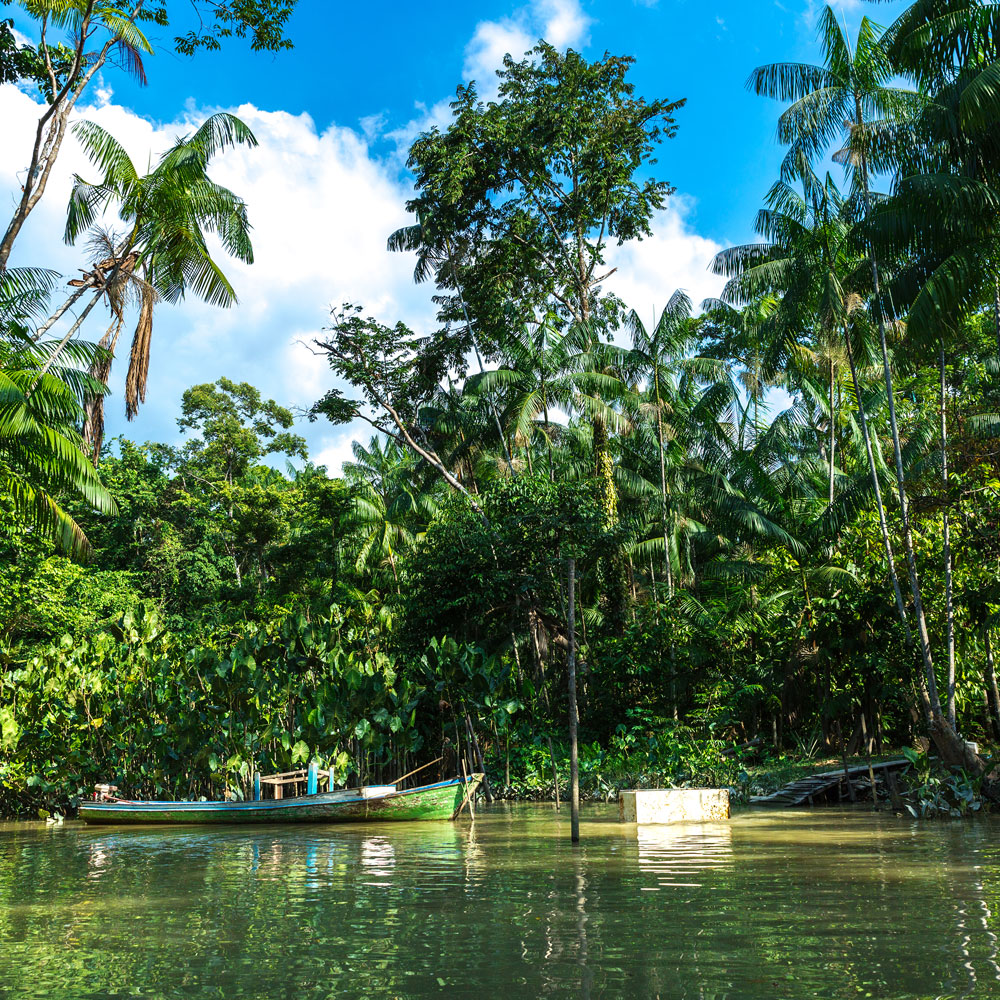
The 413 REDD Project will preserve the ecological and economic benefits of primary forest in over 500,000 hectares of richly forested Amazon Rain Forest land in Brazil, which is subject to ongoing agricultural and livestock pressures. The project will provide a number of other unique community and conservation benefits consistent with virtually all of the 17 Sustainable Development Goals.

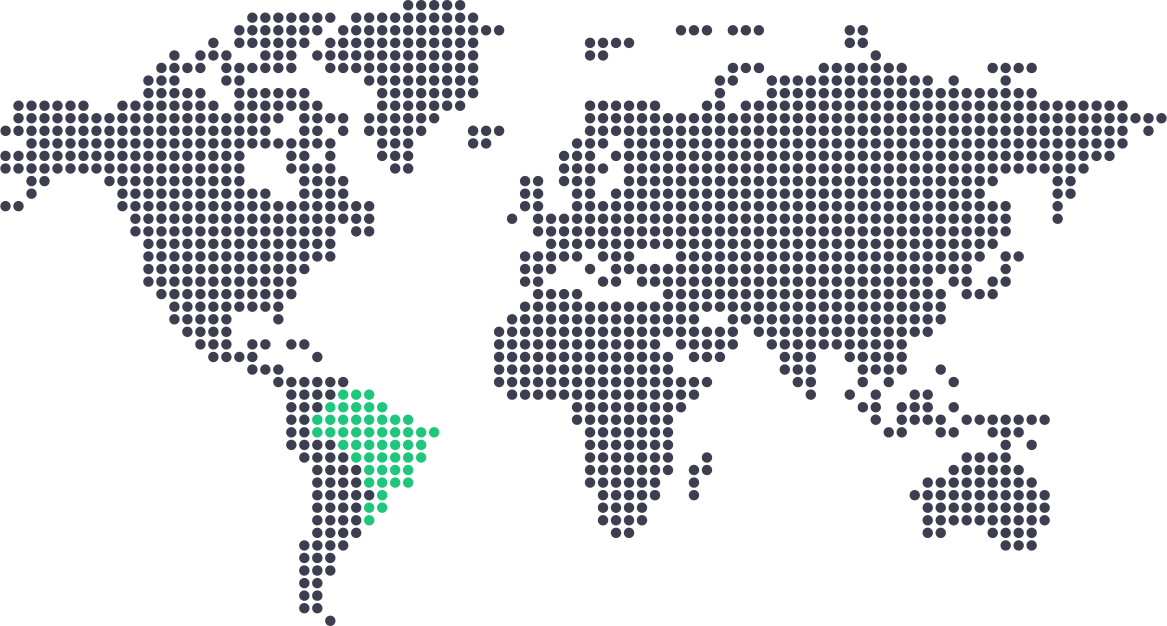
The 413 REDD Project is located in Manicoré and Novo Aripuanã municipalities, State of Amazonas, northern Brazil. The Project area is part of the Sul-Amazonense Meso-region, Madeira Micro-region, according to official maps (Amazonas, 2020), and limited by Madeira River on North/West, BR-230 federal road (Transamazônica) on South, and AM-174/360state road on East. Five municipalities composed the Madeira micro-region: Apuí, Borba, Humaitá, Manicoré and Novo Aripuanã.


413 REDD Project is aiming to meet all 17 of the UN Sustainable Development Goals (SDGs).
Local farmers and impacted indigenous communities will receive a guaranteed payment of more than 2/3 of the credit price in order to provide capital to enable the local owners and stakeholders to live more sustainably and benefit from the numerous impact initiatives and facilities associated with the project.
Benefits include the development of health and eco-community centres, development of an eco-trail, research on flora and fauna supporting local universities, and the creation of sustainable employment for community members through the creation of new jobs, a majority of which are anticipated to be filled by women and indigenous peoples.
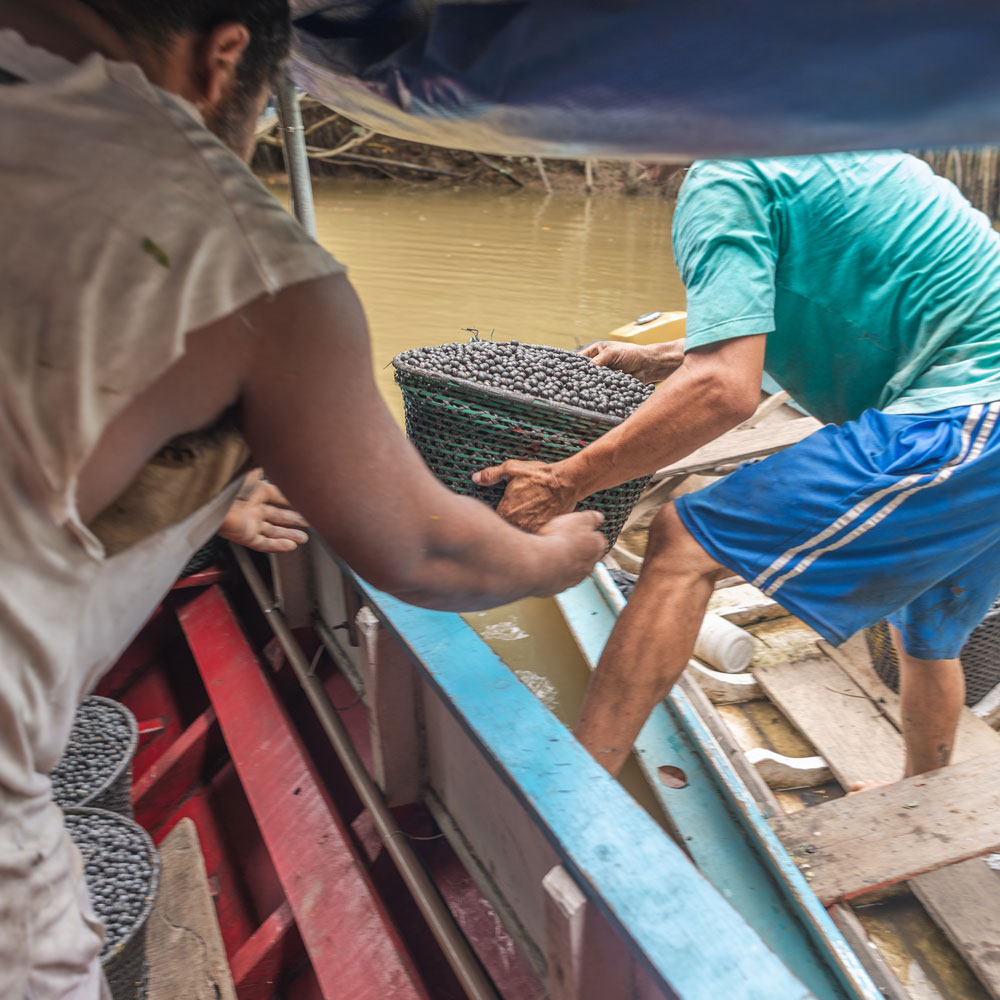
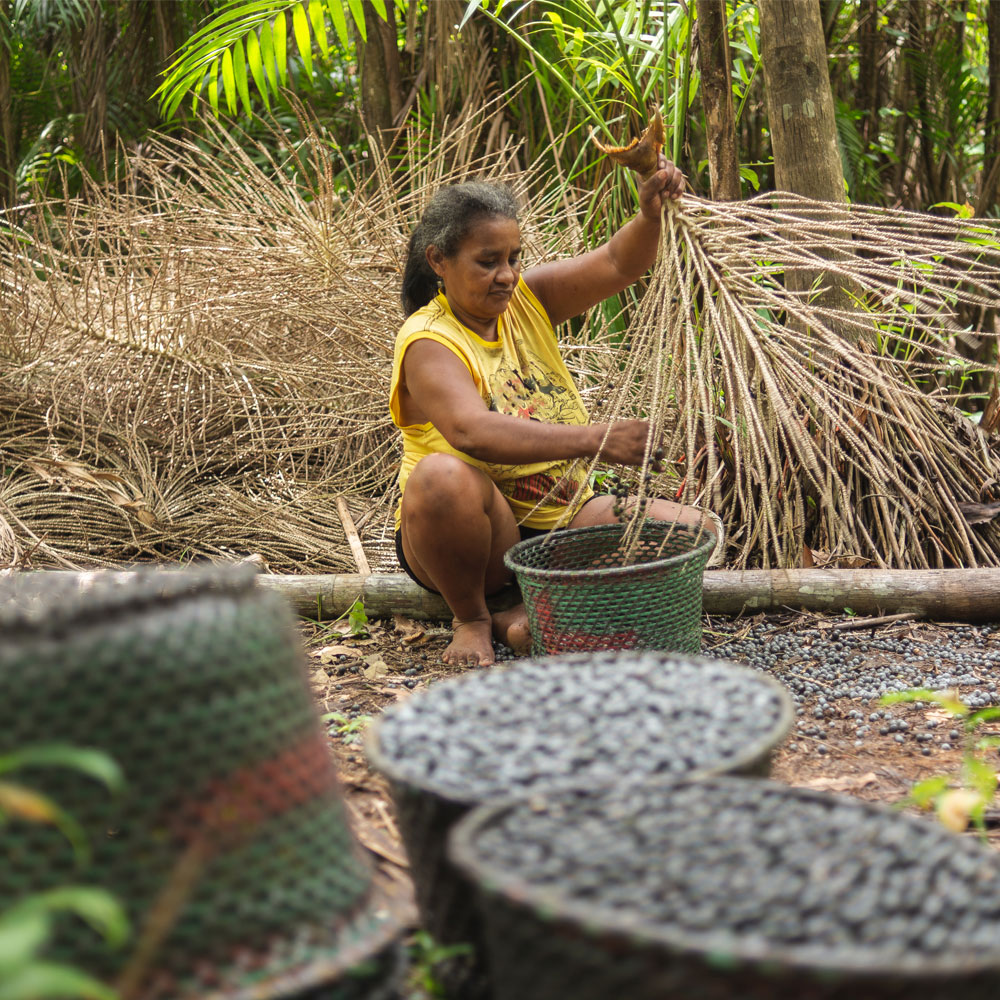
The project promotes the welfare of c.1,500 traditional community residents and indigenous peoples by improving infrastructure, education, health, housing, water, energy, communication, community organization, empowering young women, youth, and elderly, and encouraging sustainable use of natural resources.
Project implemented in and around poor and lower income communities in the areas of: RDS Rio Madeira, RDS Juma, Flona Aripuanã, and APA Campos de Manicor; close to four indigenous communities and reserves, with strong tradition and involvement in managing their resources.
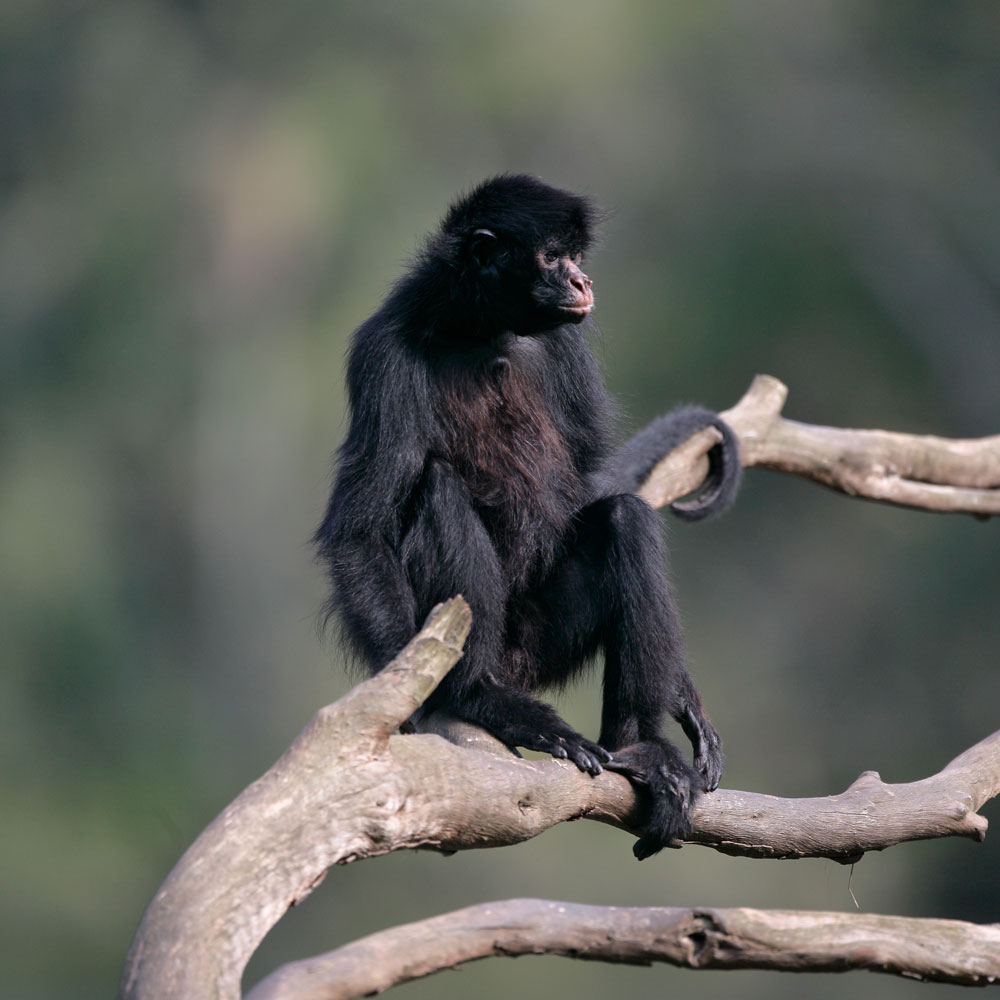
The 413 REDD Project protects hundreds of species of flora and fauna, including endangered species and their habitats. This includes the protection of Rosewood tree (Aniba rosaeodora, endangered), Brazilian-nut giant tree (Bertholletia excelsa, critically important to the community), Black-faced black spider monkey (Ateles chamek, endangered), Belem curassow bird (Crax pinima, critically endangered), and Amazonian giant pirarucu fish (Arapaima gigas, very important to the community).
The project provides exceptional biodiversity benefits through the protection of >500,000 hectares of undisturbed rainforest in a zone classified as extreme high priority to conservation by the Brazilian Government.
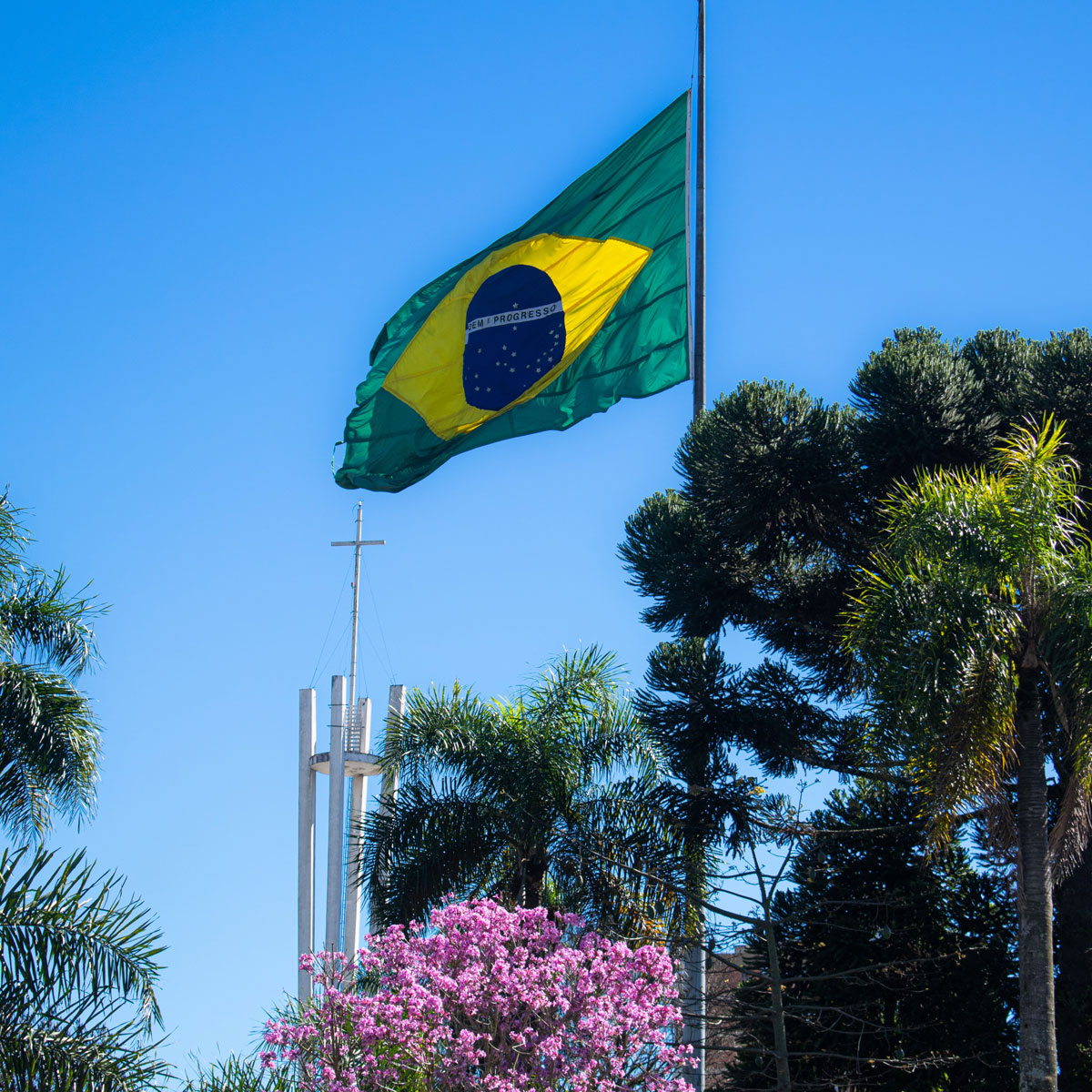
Brazil is the largest country in South America. It has an extensive coastline to the east, covering over 7,491 kilometers (km), along the Atlantic Ocean and a land area of 8,510,295 km2, making it the fifth largest country in the world. The country shares a border with Colombia, Venezuela, Guyana, Suriname, and French Guiana in the northwest; Peru, and Bolivia in the west; and Paraguay, Argentina, and Uruguay in the southwest.
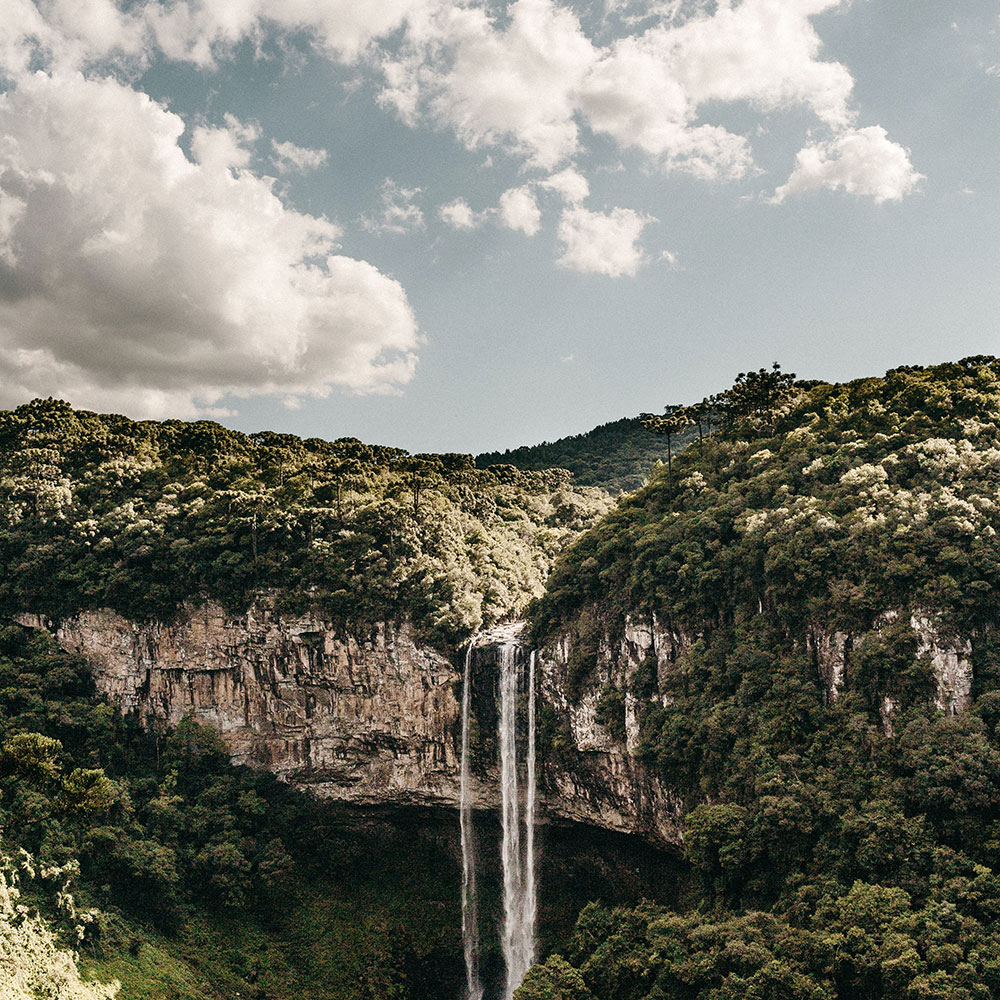
In addition to harboring over a third of the Earth’s tropical forests, Brazil is home to an extremely rich flora and fauna and a rich diversity of ecosystems including, but not limited to, the Amazon forest, the Cerrado (central plateaus, covering 21% land area), the Atlantic Forest (forests which extend along the Atlantic coastline), the Caatinga (desert shrubland in the northeast) and the Pantanal wetlands (encompasses the world’s largest wetland area, located along the western border). Brazil’s diverse and abundant natural resources, ecosystems, and significant biodiversity are world renowned.
The national territory comprises six unique biomes: Amazon, Caatinga, Cerrado, Atlantic Forest, Pampa, and Pantanal. The Amazon and Atlantic Forest are home to humid and seasonal forests and significant biodiversity. The Caatinga is characterized by semi-arid climate and arid plant life. Cerrado houses three major watersheds of South America, which makes it the richest savannah in biodiversity worldwide.
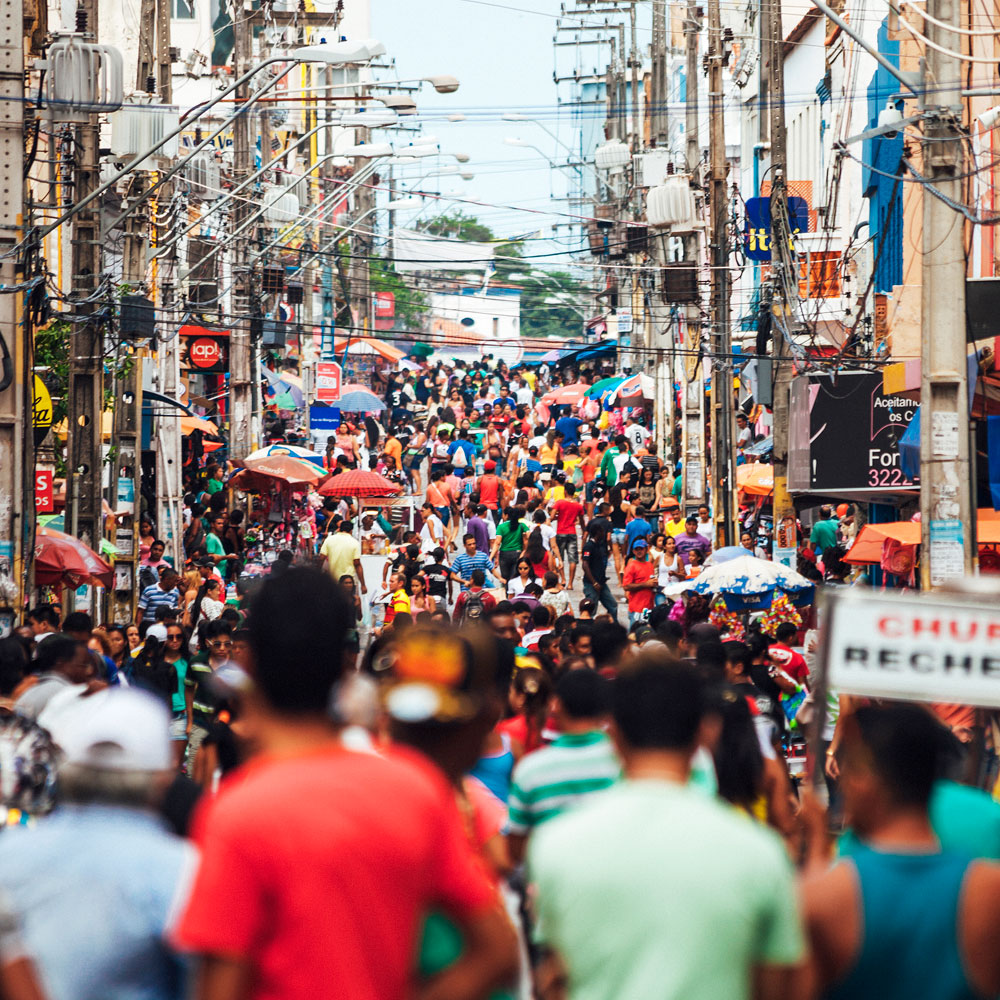
The population projected to reach 223.8 million people by 2030 and 228.9 million by 2050. An estimated 86% of the country’s population resides in urban areas, and this is expected to increase to 92% by 2050. The country’s economy is driven primarily by industry, its services sector and agriculture. Brazil is the largest net-exporter of agricultural commodities, with the agri-business sector contributing approximately 20% of the country’s GDP and over 30% of all domestic employment. Brazil is one of the world’s leading exporters of soybeans, beef, coffee, and automobiles.
Brazil adopted the Paris Agreement and submitted its Nationally Determined Contribution (NDC) to the UNFCCC in 2016 and its Updated NDC in 2020 in support of its adaptation commitments and continued economic and social development agendas. Through its NDC, Brazil has committed to reduce its GHG emissions by 37% below 2005 levels, by 2025. Brazil has also committed to address climate change impacts to the country’s sectors environment, forestry, agricultural and livestock, energy, and health sectors. Brazil submitted its Fourth National Communication to the UNFCCC in 2020.
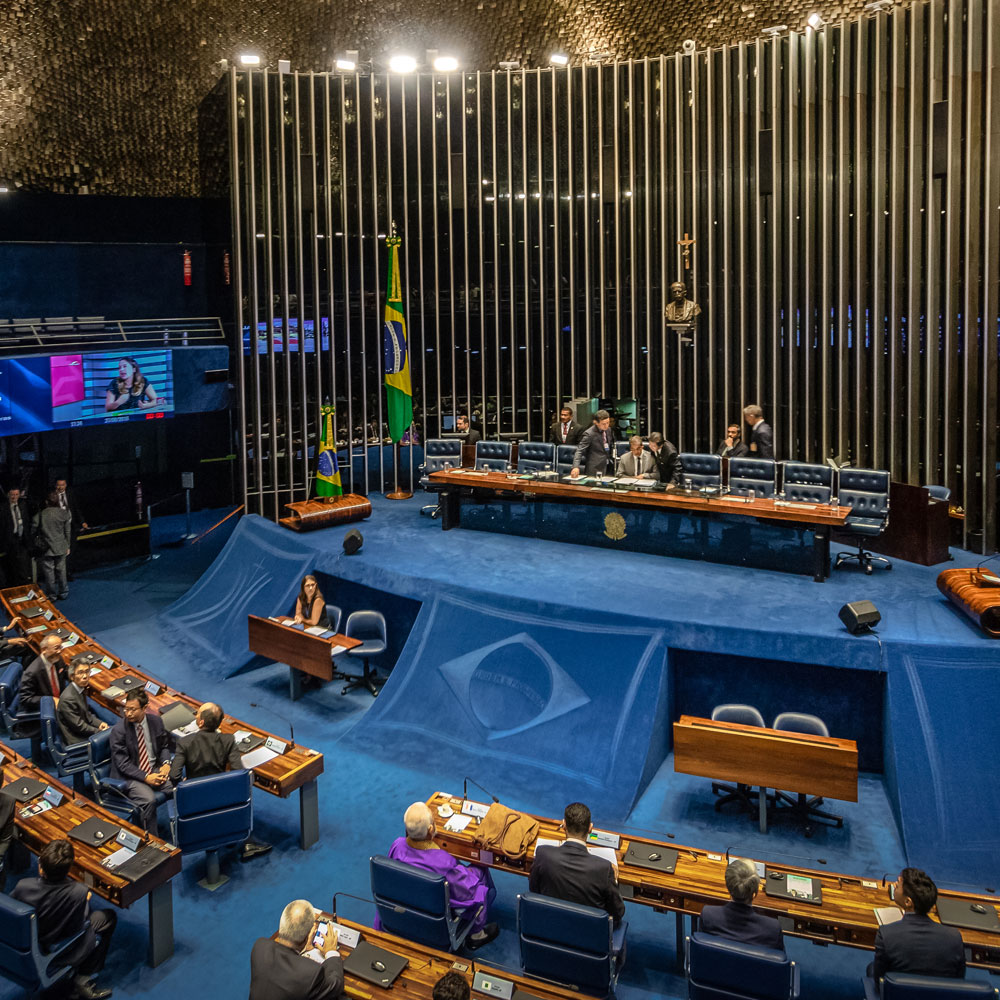
Brazil has a complex and dynamic economy and is classified as a developing country. While the country experienced a period of economic and social progress between 2003 and 2014, in which more than 29 million people were lifted out of poverty and inequality declined significantly, the economic recovery weakened from 2015 to 2018. The more frequent and continuing periods of recession, which started in 2015, have left the country‘s economy sluggish and created significant political upheaval, stagnating the gains and pace of poverty and inequality reduction. In the first quarter of 2021, the unemployment rate reached 14.7%, the highest since 2012.4 Brazil’s macro-economic environment is expected to remain in place, however, a lack of structural reforms and the need for strong fiscal consolidation continues to create bottlenecks for expanded growth and productivity.
Gross Domestic Product (GDP) in 2020 was $1.44 trillion and Brazil has experienced volatile growth rates, which fluctuated significantly over the past decade. The volatility of economic growth can be seen across the years, with the economy growing at an annual rate of 4.5% (between 2006 and 2010) to 2.1% (between 2011 and 2014). A significant contraction in economic activity occurred in 2015 and 2016, with GDP dropping by 3.6% and 3.4% (respectively).The country’s economy is driven primarily by industry, its services sector and agriculture. Brazil is the largest net-exporter of agricultural commodities, with the agri-business sector contributing approximately 20% of the country’s GDP and over 30% of all domestic employment. Brazil is one of the world’s leading exporters of soybeans, beef, coffee, and automobiles. Imports are dominated by agricultural and industrial machinery, electrical equipment, oil, and automotive parts from other countries, particularly China and the United States.