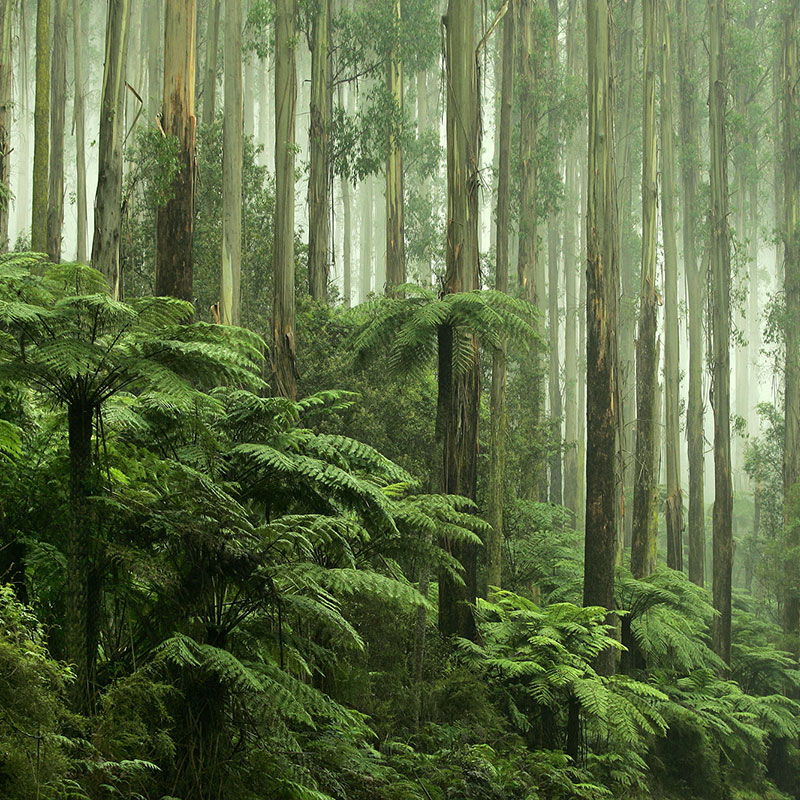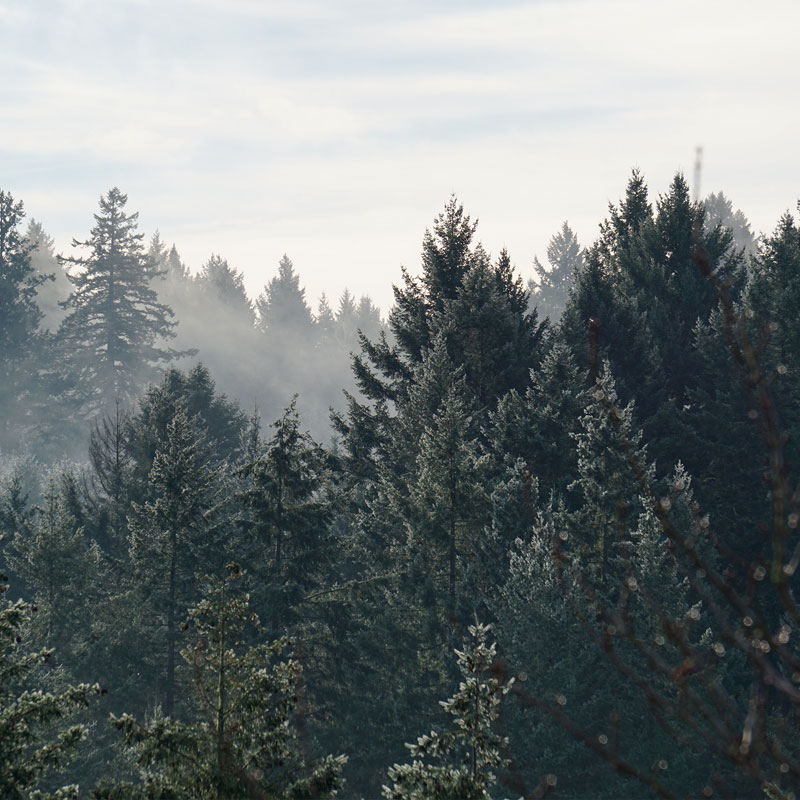
Deforestation is a very material risk for investors. It drives reputational risks related to consumers and environmental organisations as well as legal risks as new legislation for climate-related financial disclosure is expected.


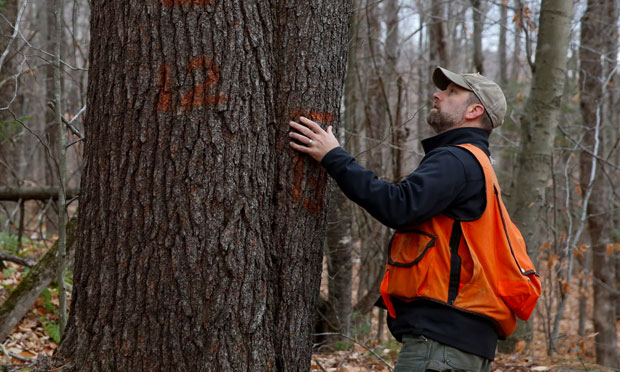
The global market for voluntary carbon offset credits is going gangbusters. But the market remains plagued by widespread, fundamental flaws in how offsets are tallied, turning a critical element of the corporate campaign against climate change into a house built on sand.
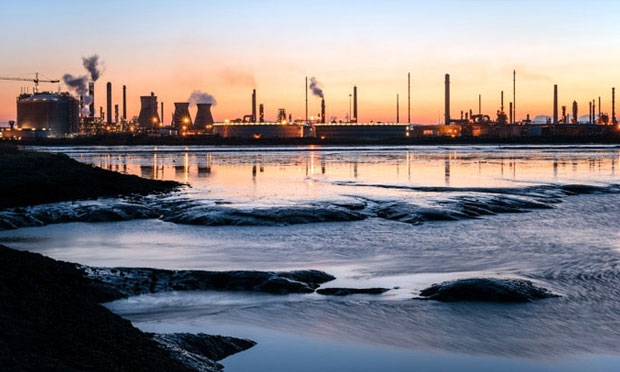
Carbon pricing schemes have been deployed in 46 national and international jurisdictions to date and it is estimated that the total value of these mechanisms is some $359bn. Learn more about current pricing and forecasting for the carbon market.
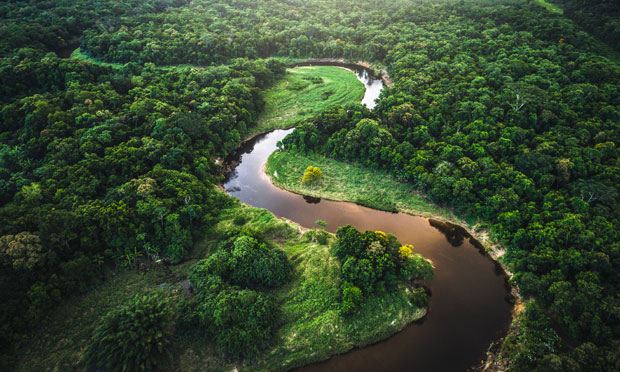
In the race to hit booming net-zero emissions pledges, carbon credits are seeing a surge in interest from oil and gas producers keen to offset the climate footprint of their fossil fuels. Calls for greater scrutiny over the accuracy and accountability of so-called voluntary carbon offsetting are growing.
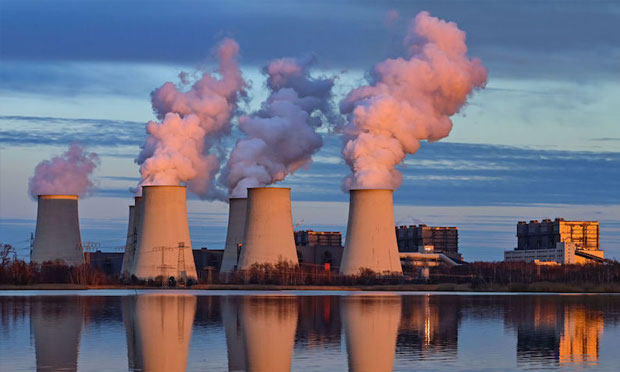
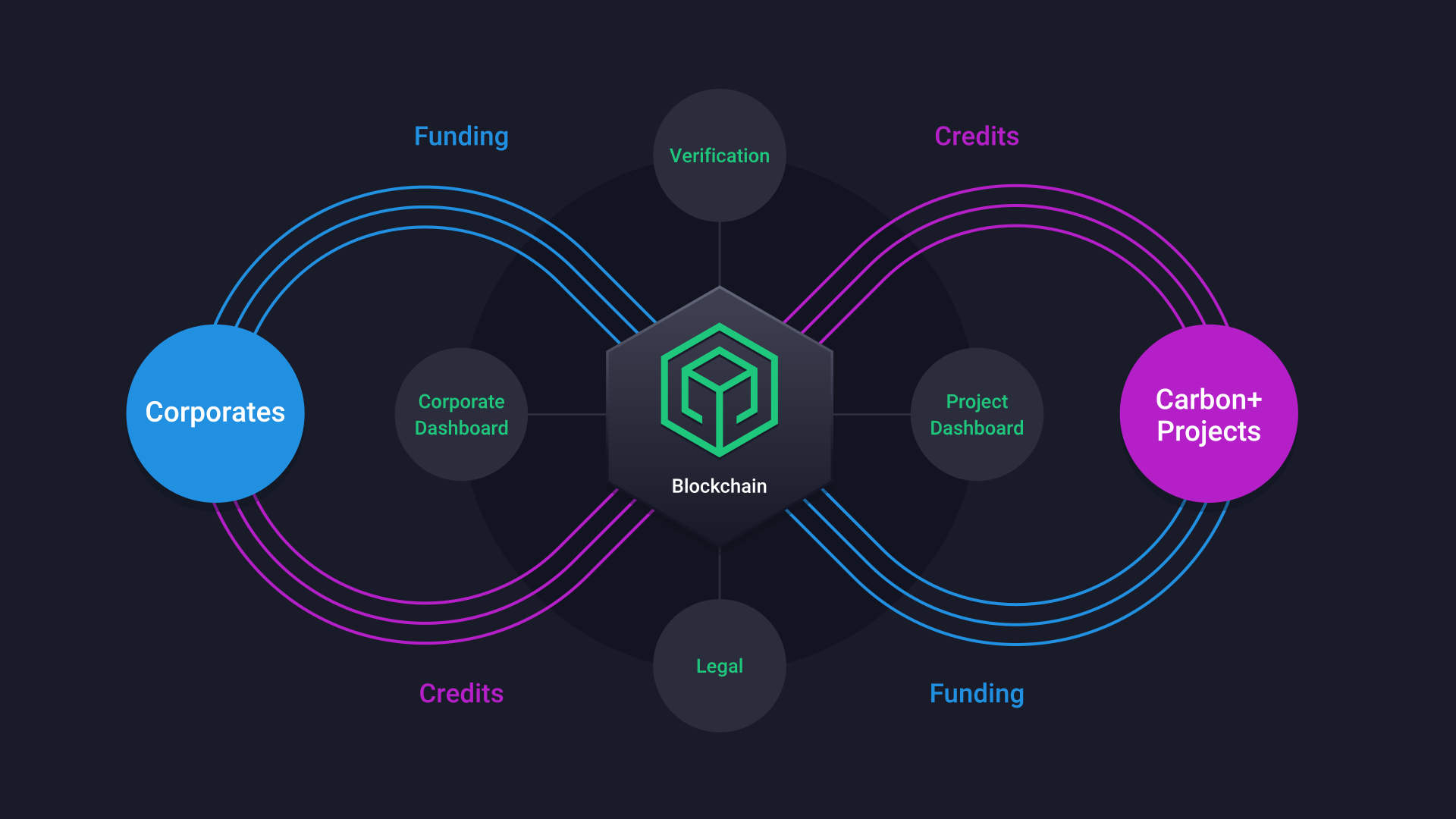
As carbon offsets are forcast to increase exponentially, a well-functioning carbon market will be necessary to meet the demand. Distributed ledger technology can facilitate more efficient and reliable carbon credit markets.

The forest protection carbon offsetting market used by major airlines for claims of carbon-neutral flying faces a significant credibility problem, with experts warning the system is not fit for purpose, an investigation has found.
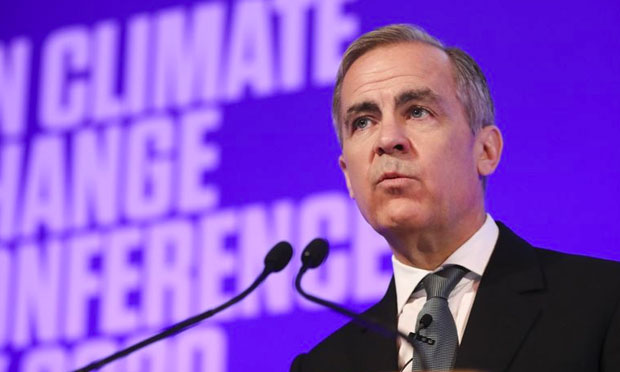
Former Bank of England Governor Mark Carney is spearheading efforts by an industry taskforce to create a $100 billion global offsetting market ahead of the COP26 climate summit in November. What does this mean and why is 2021 a watershed year for the future of carbon investing?
The trading of carbon credits can help companies—and the world—meet ambitious goals for reducing greenhouse-gas emissions. Here is what it would take to strengthen voluntary carbon markets so they can support climate action on a large scale.