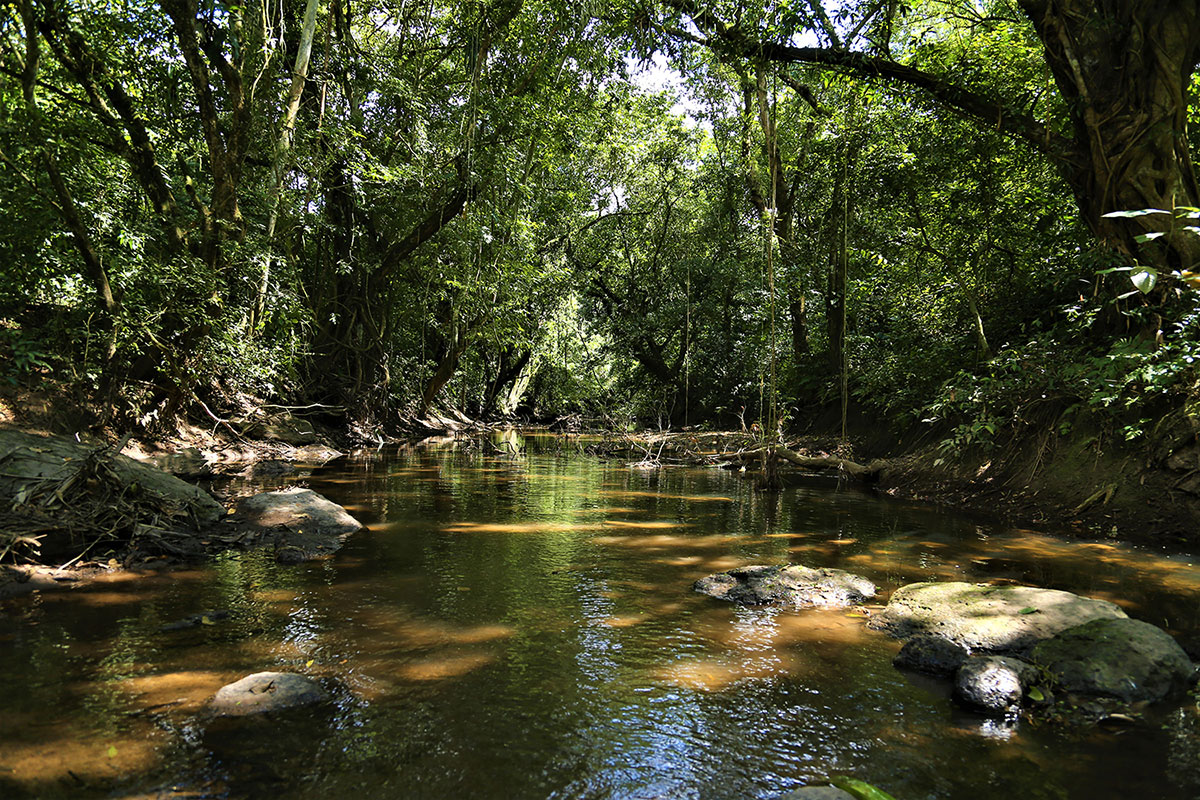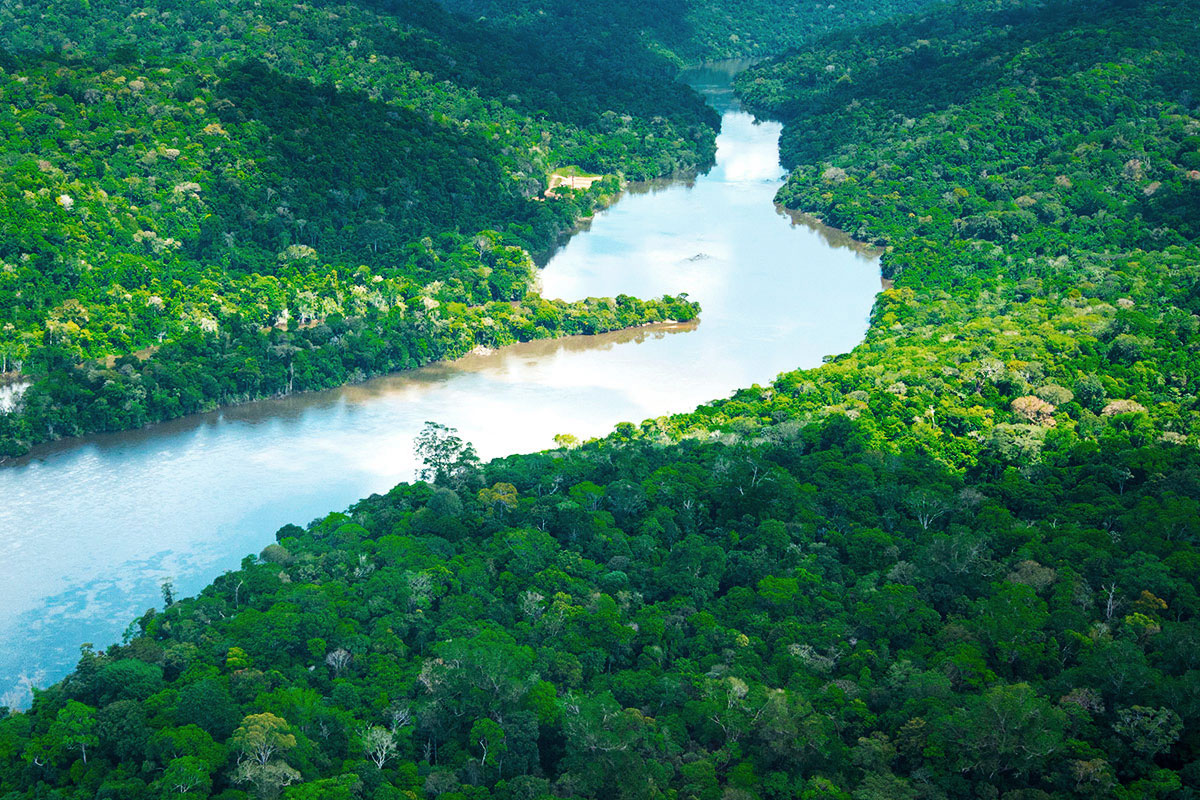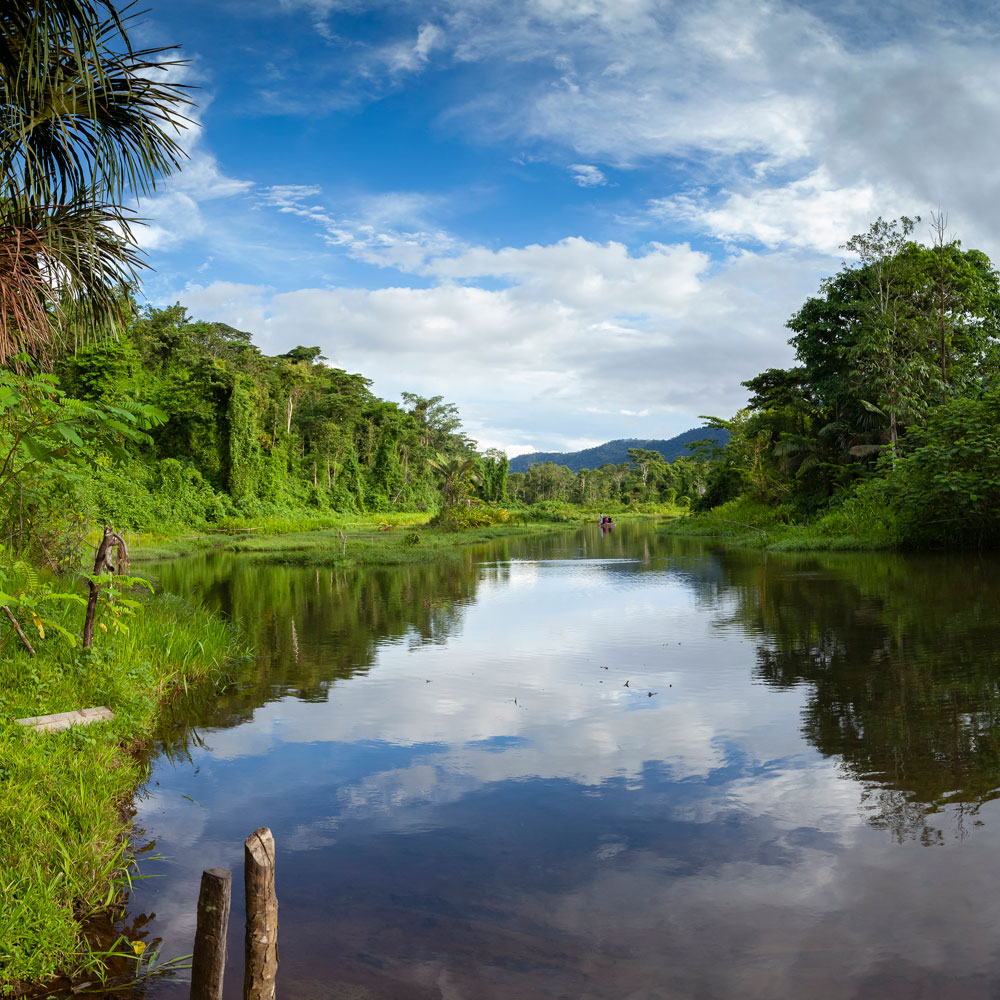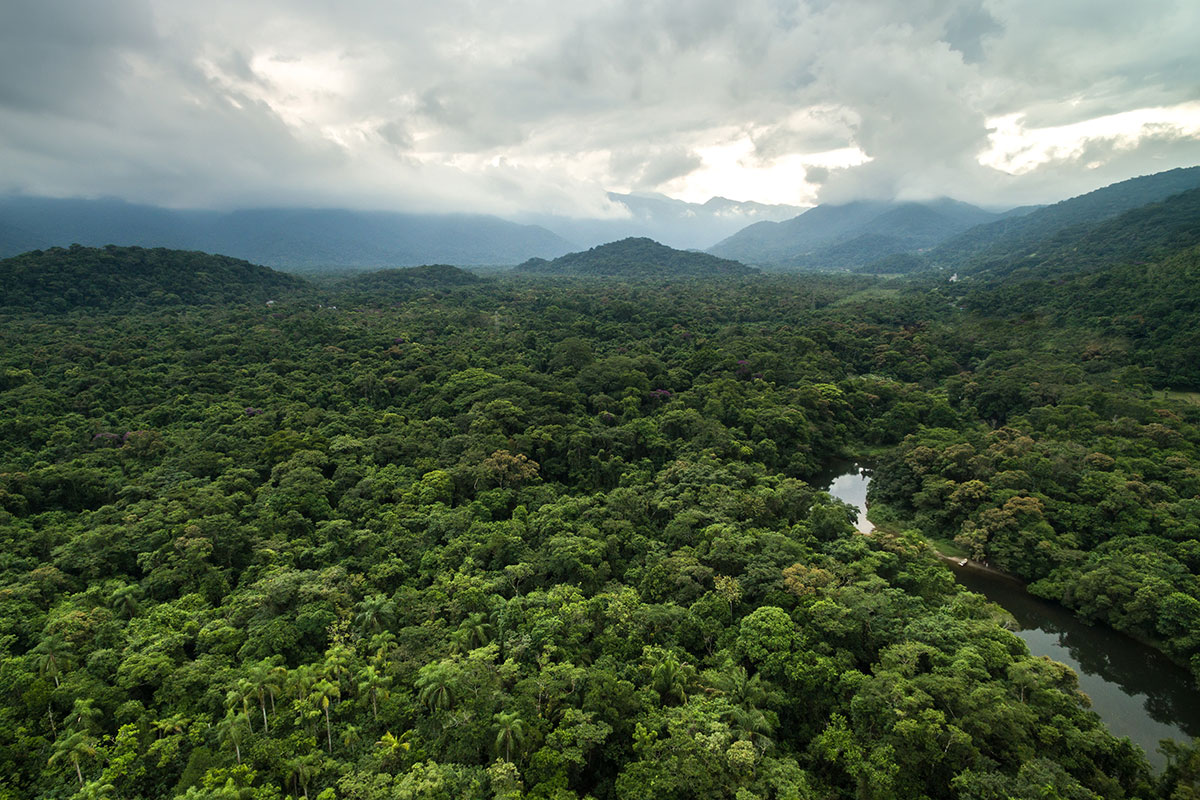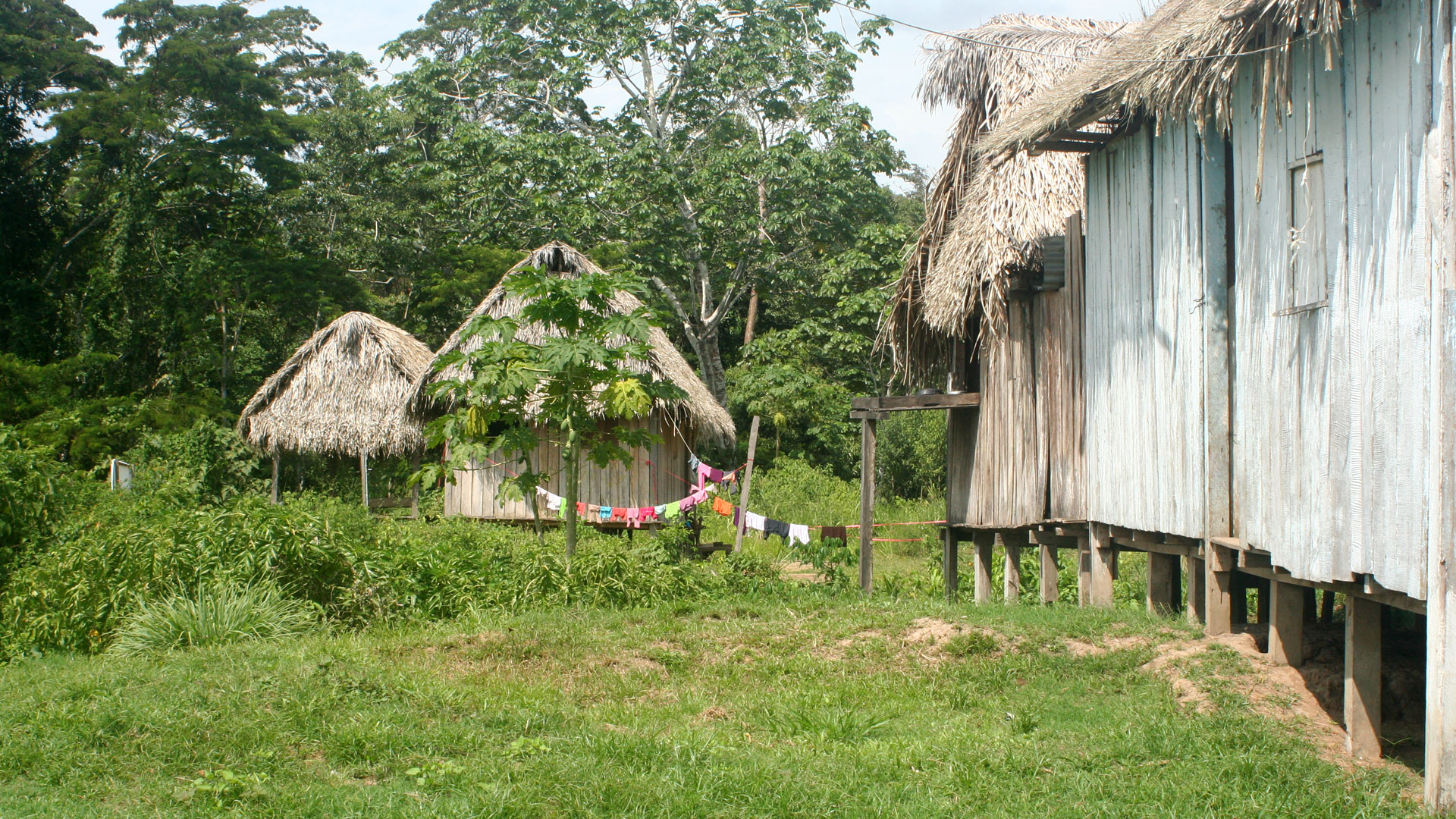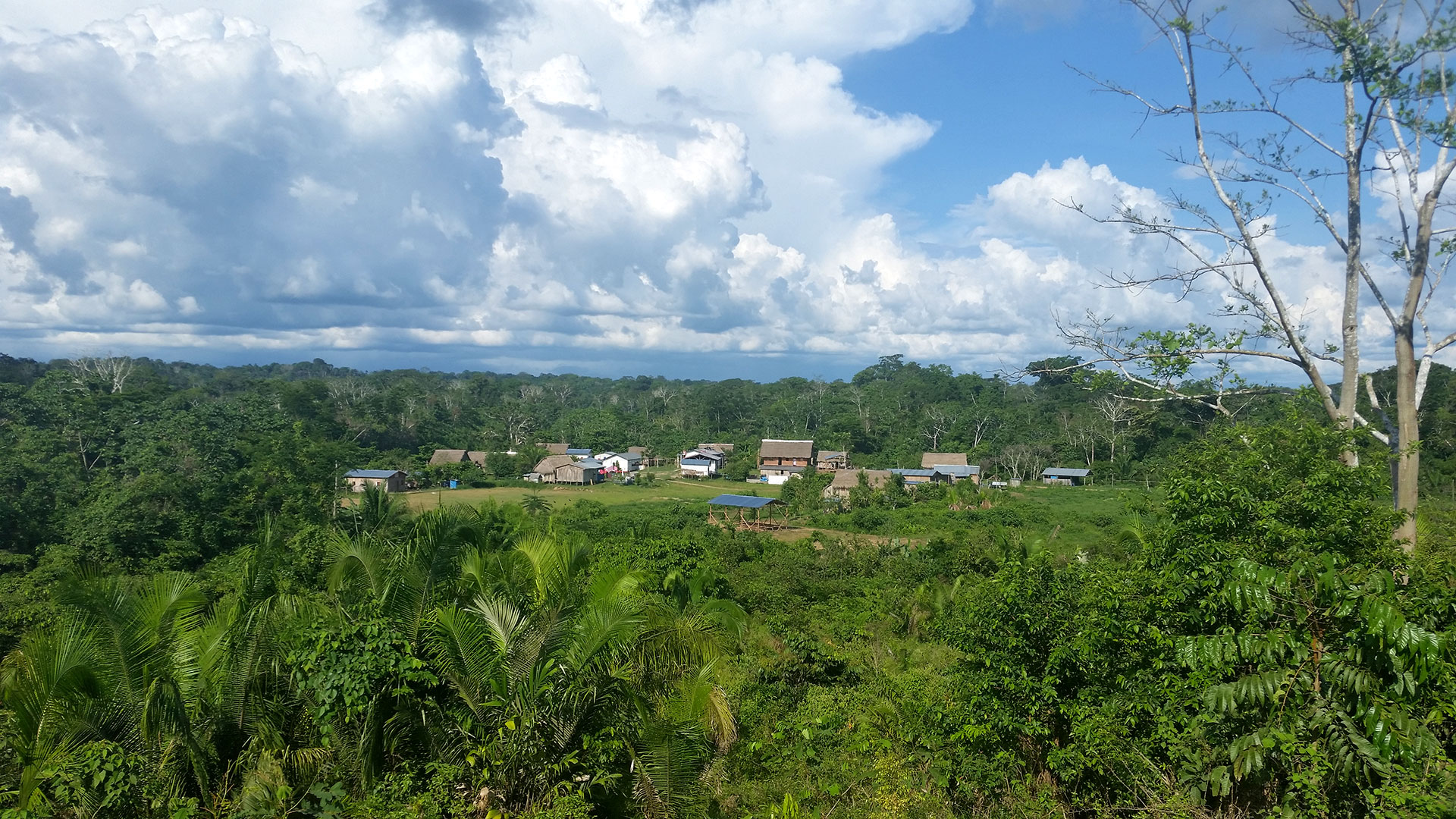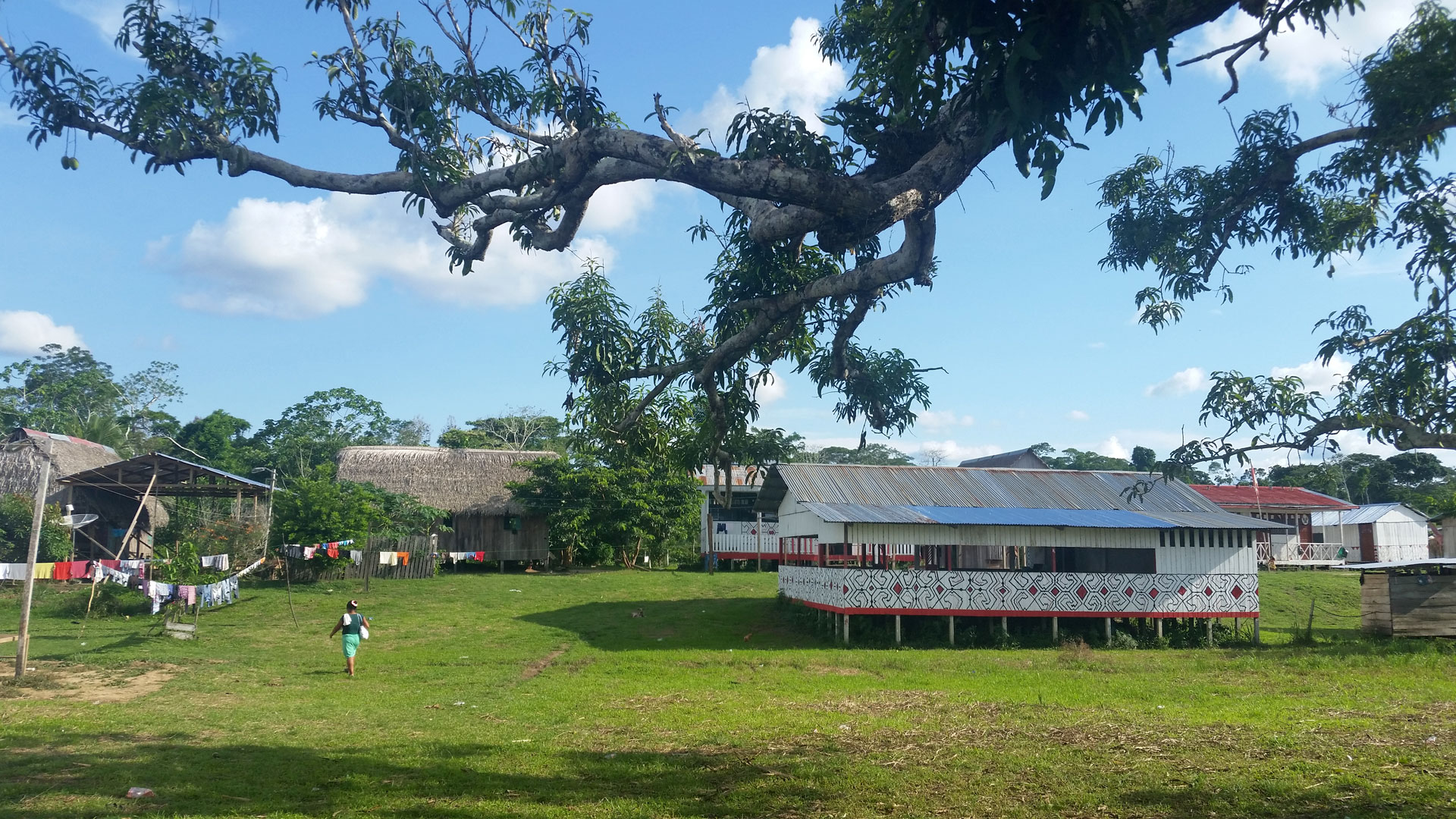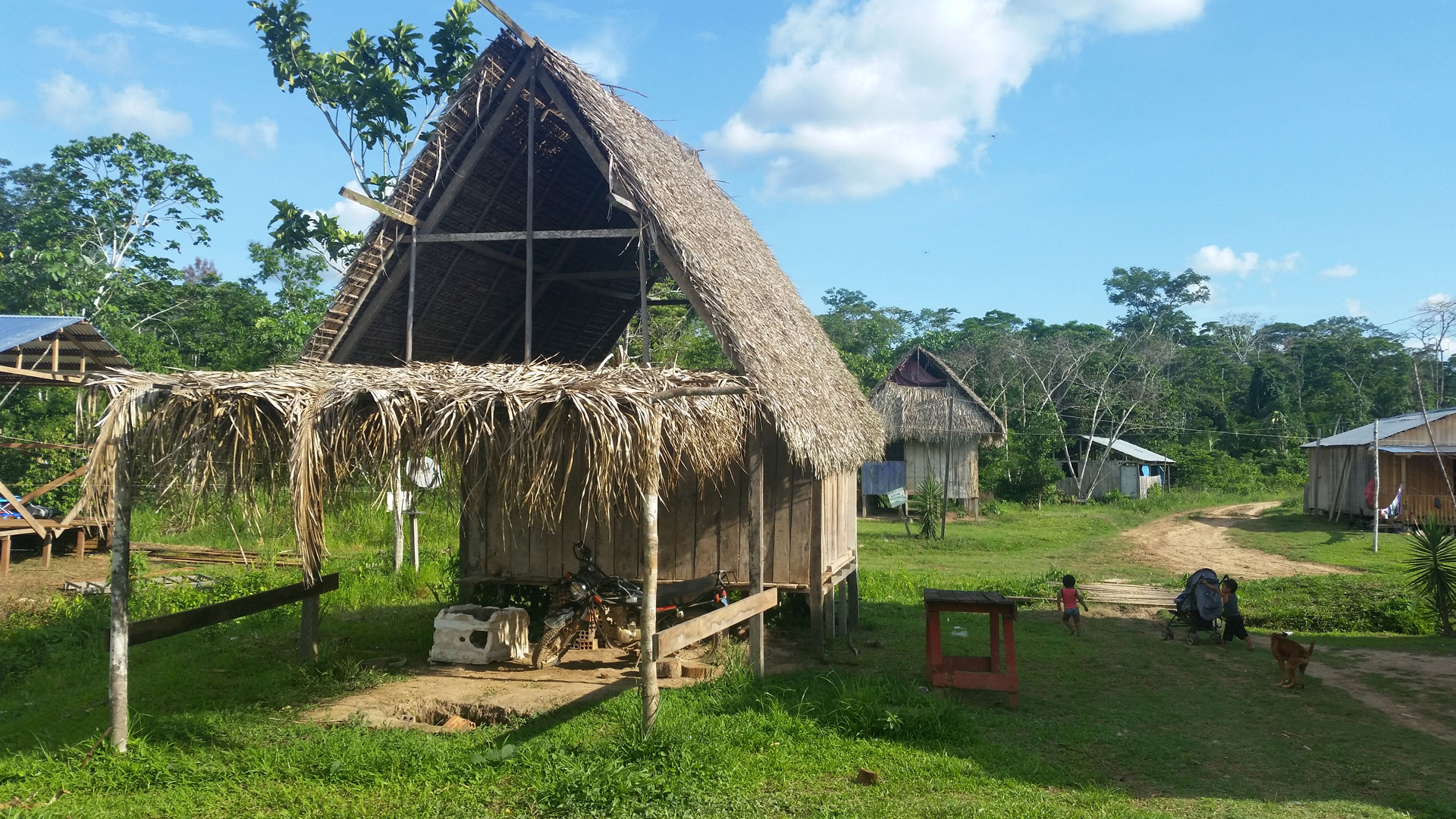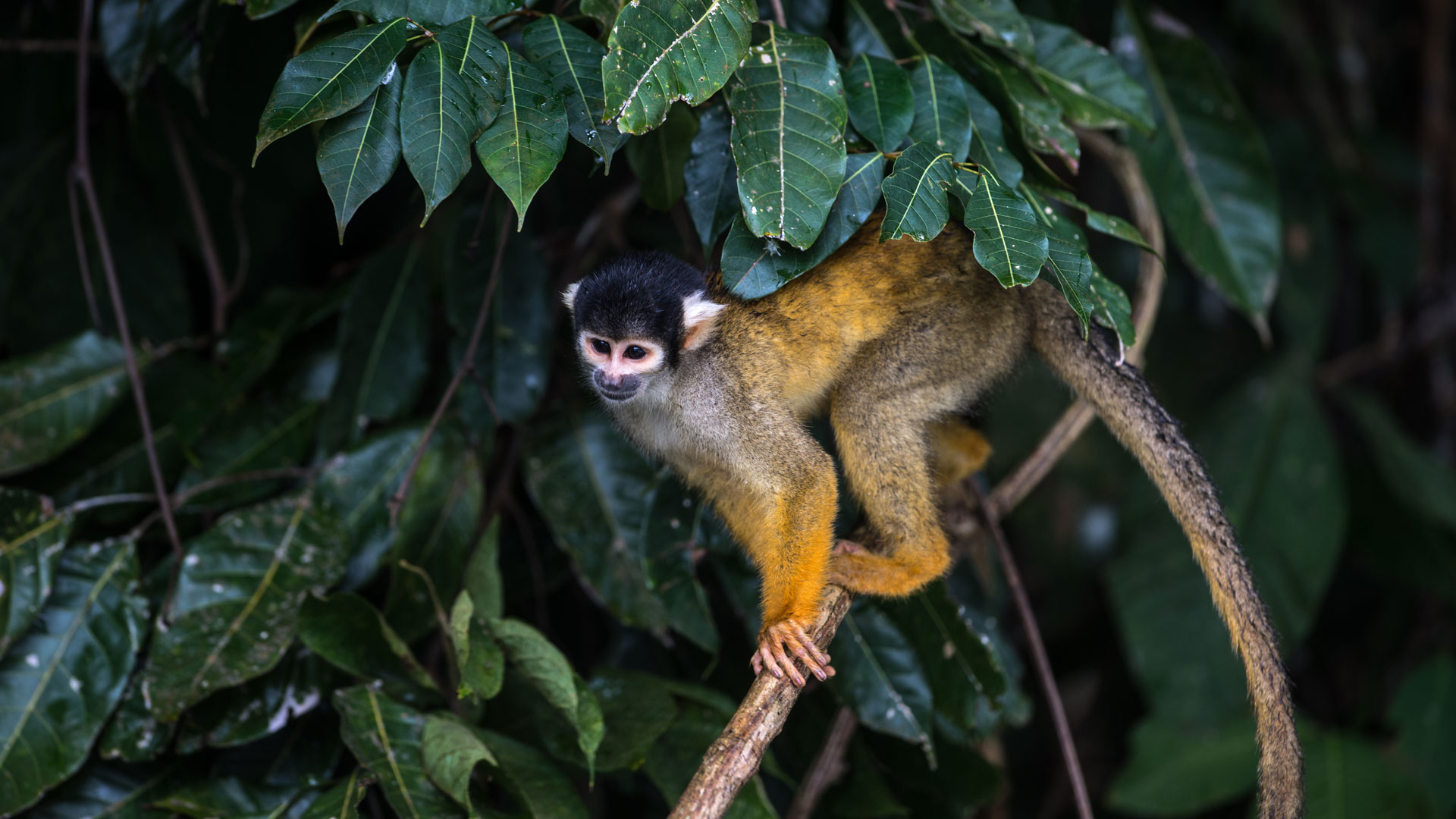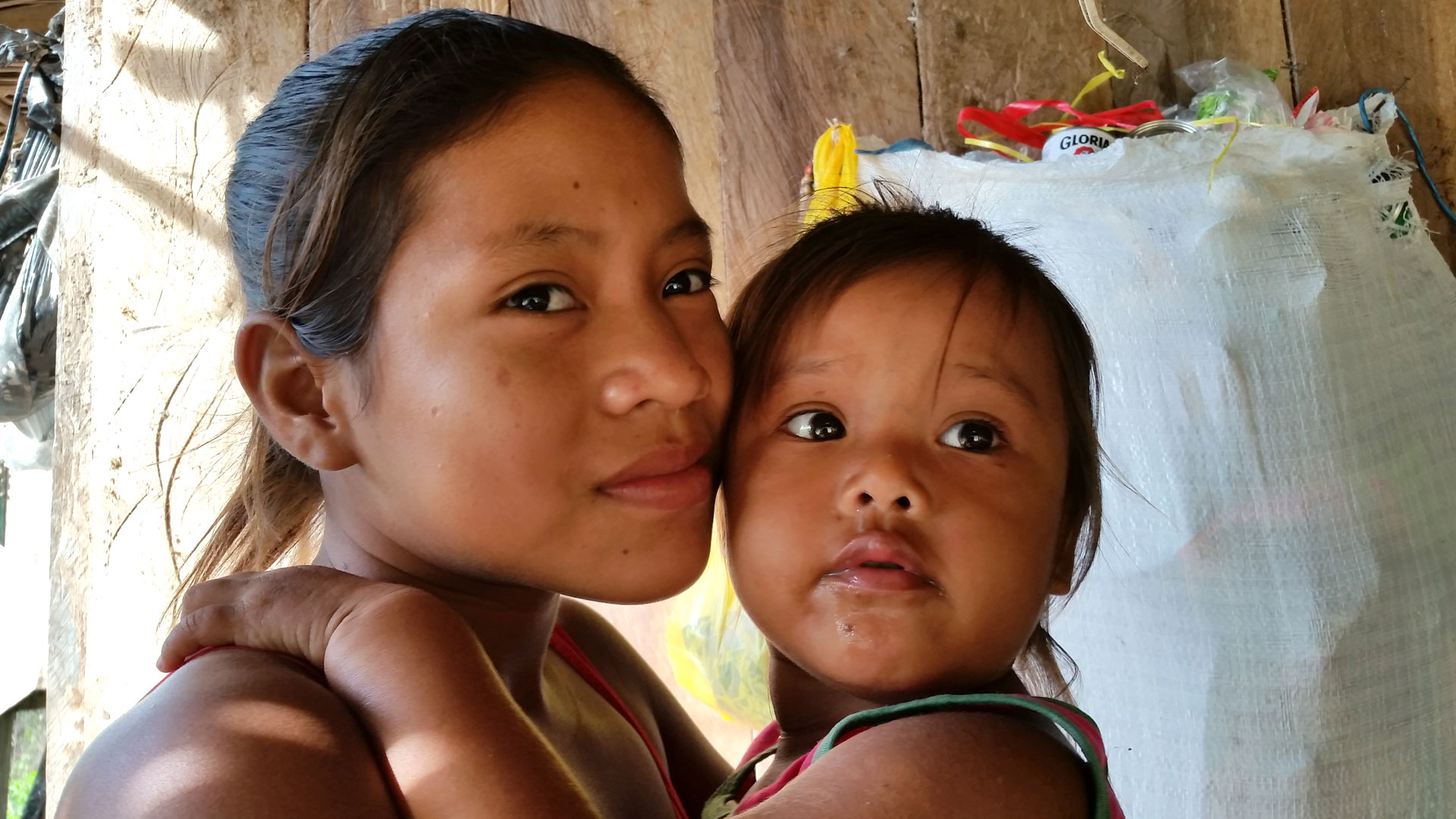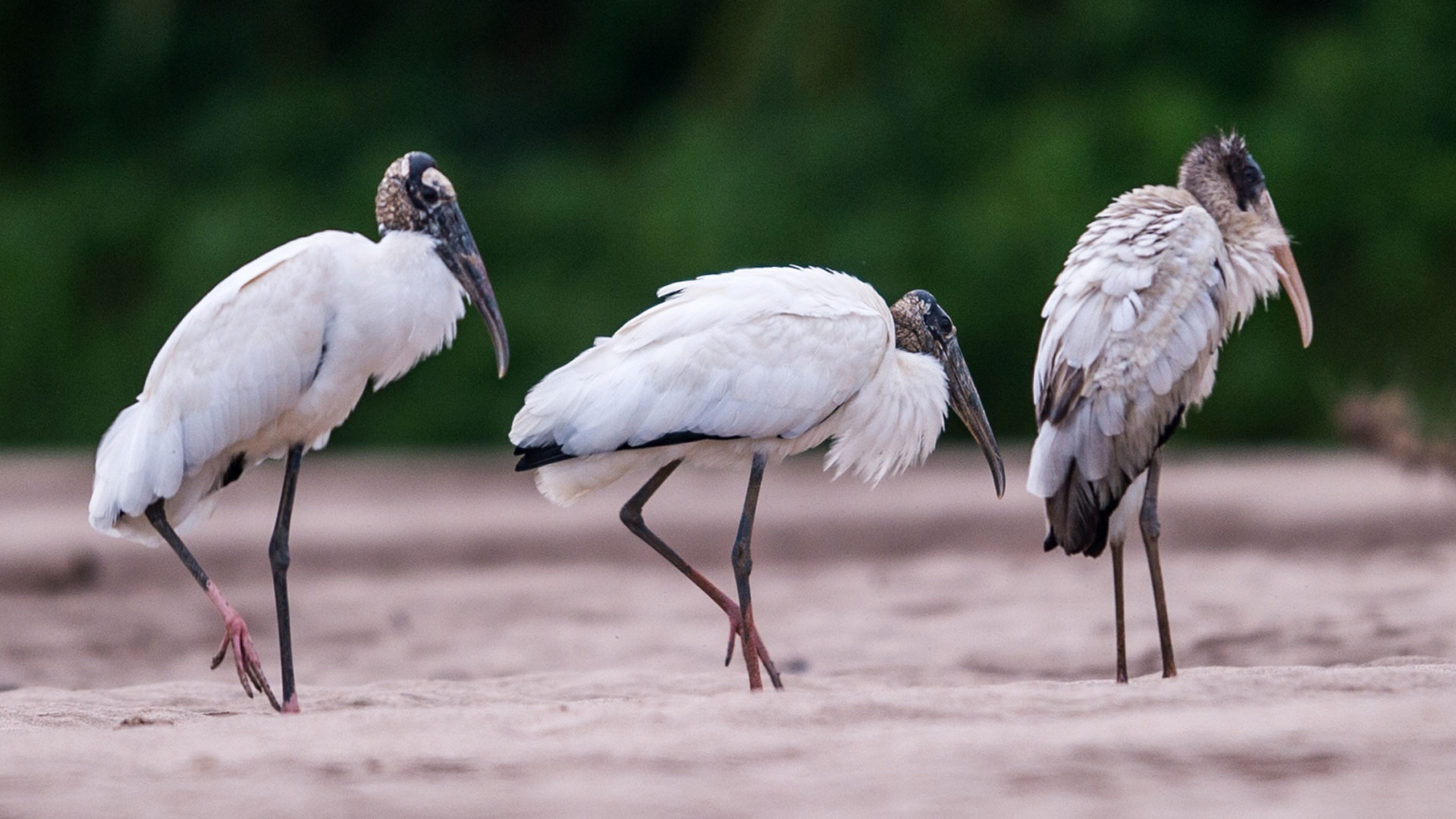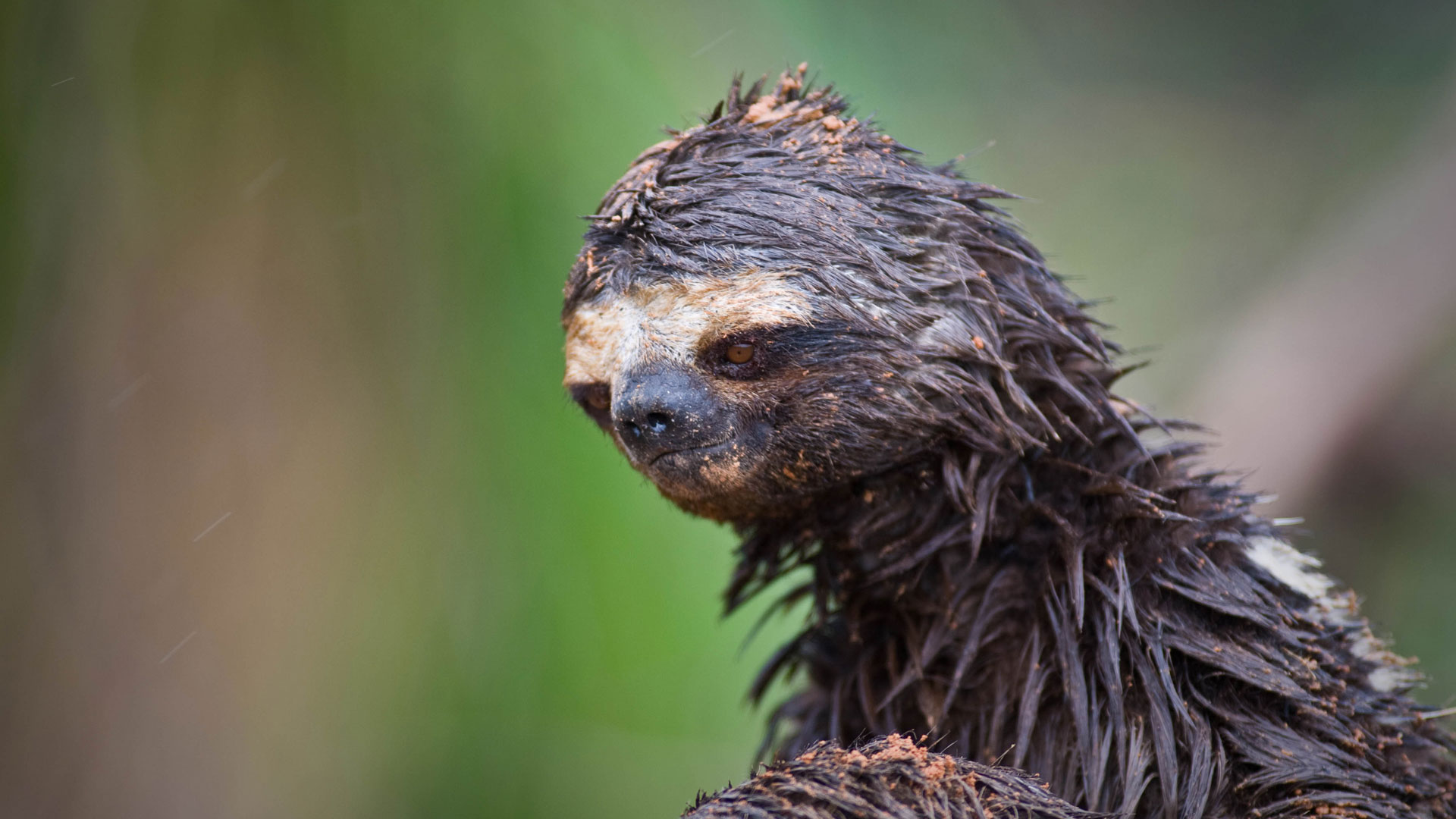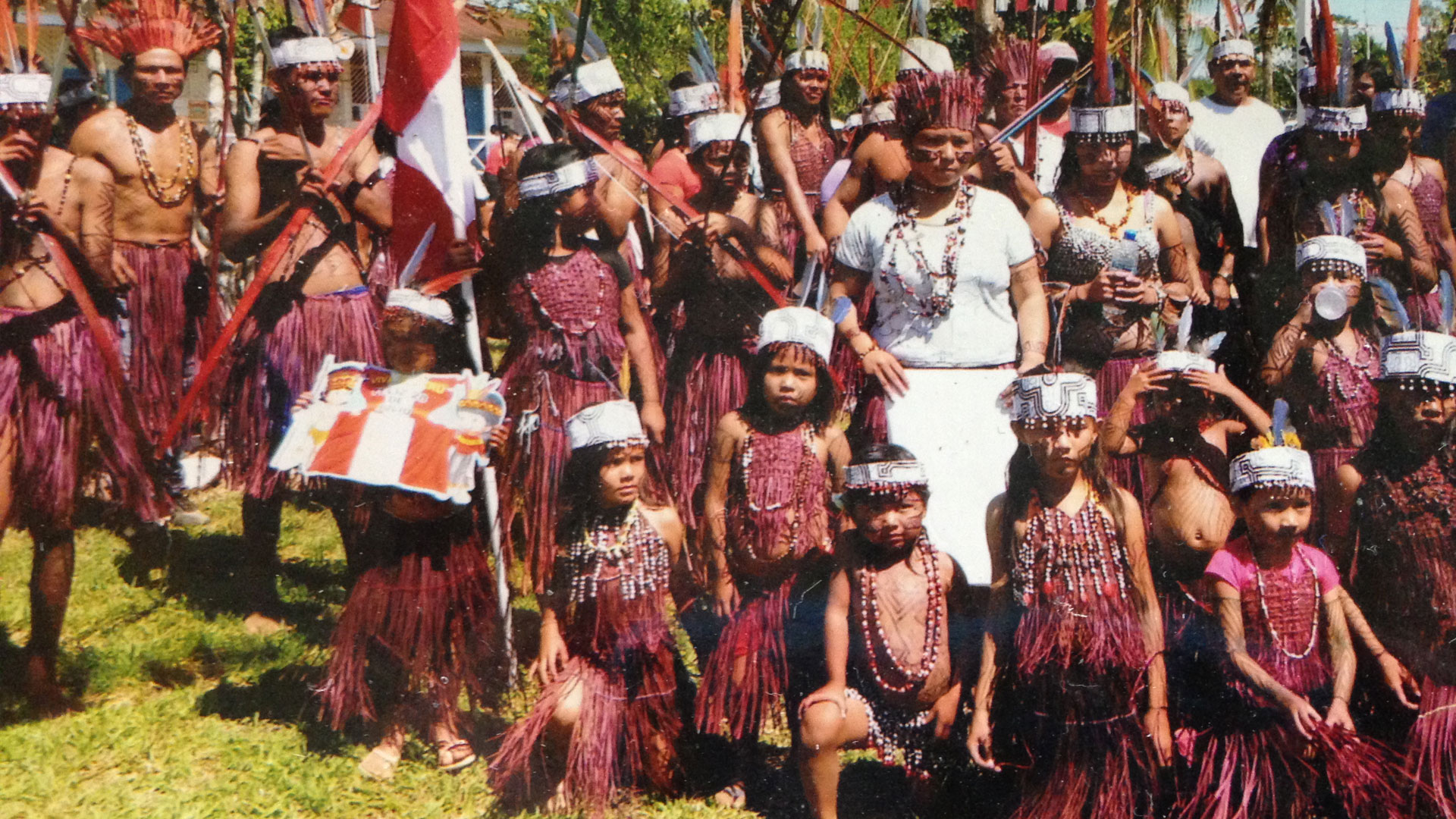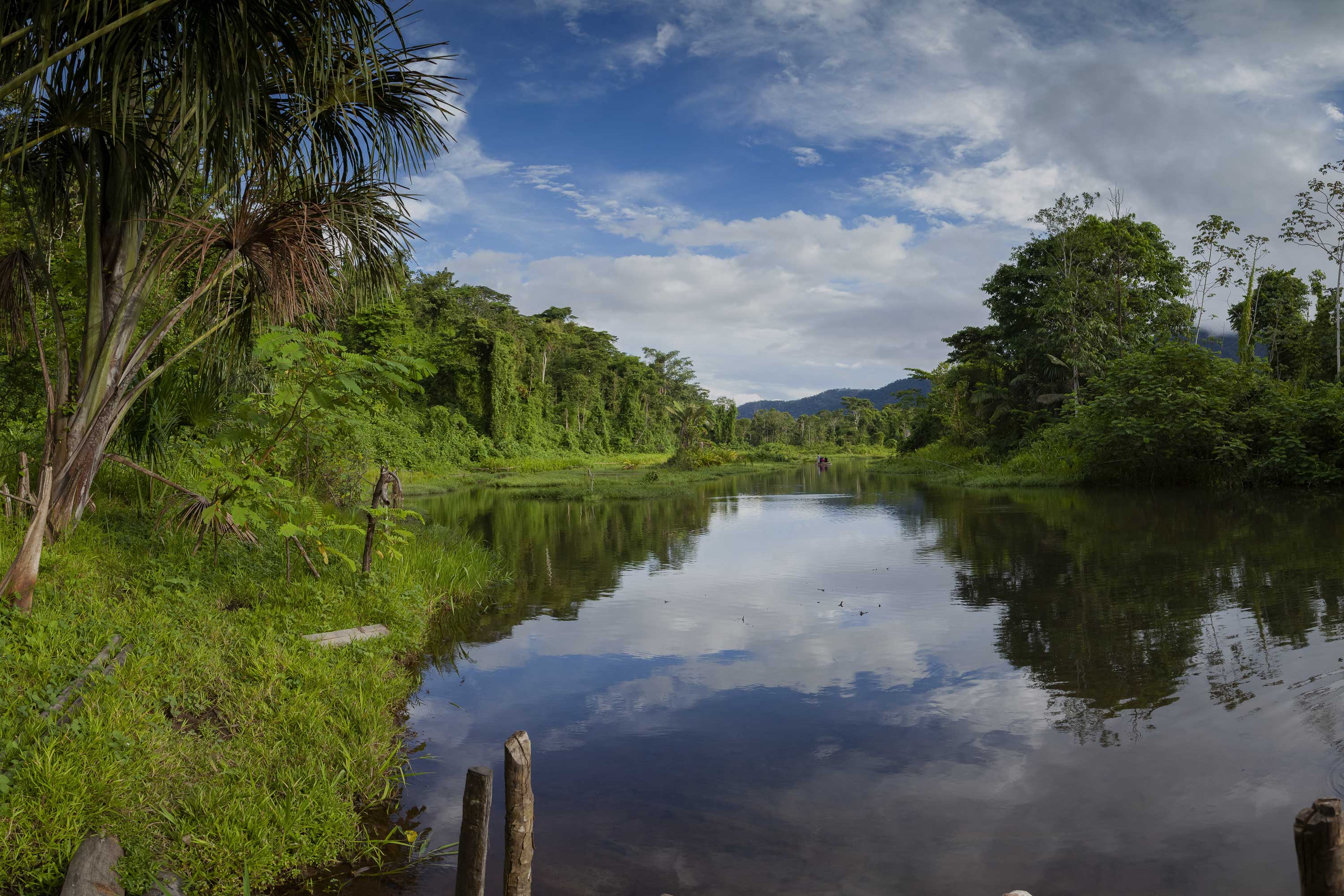


The Madre de Dios Amazon REDD Project consists of 100,000 hectares of rainforest located in the Peruvian Amazon. This project is dramatically reducing deforestation in the Peruvian Amazon and protecting the habitat of endangered species and the livelihood of local indigenous communities who rely on the forest for their survival. Saving the forests of the Amazon is truly the right move to make.

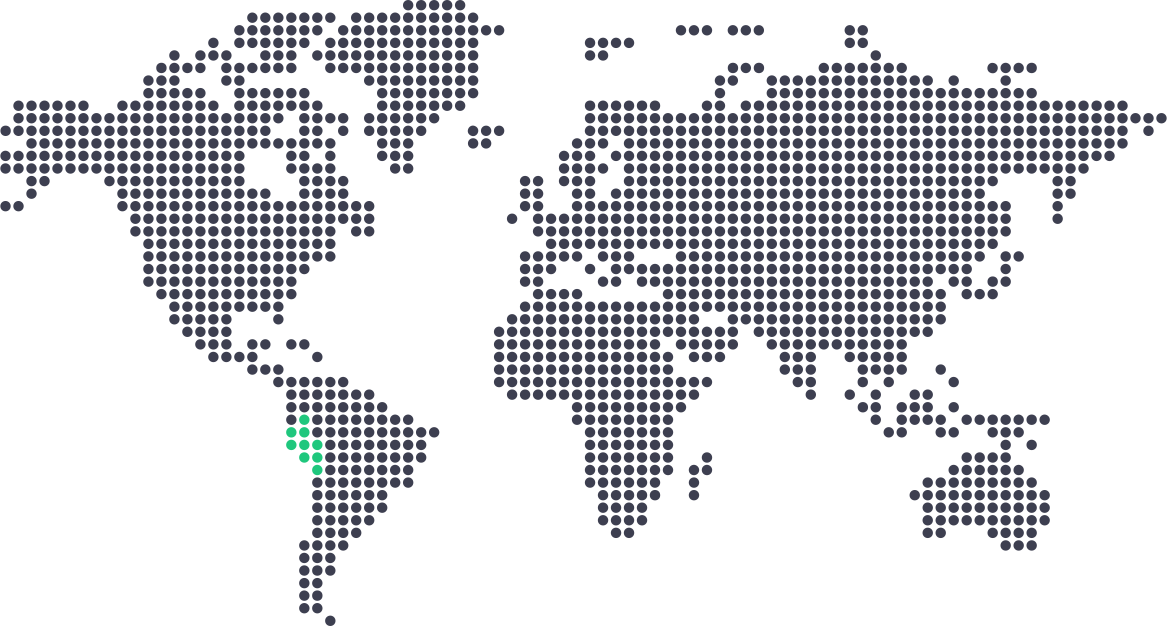
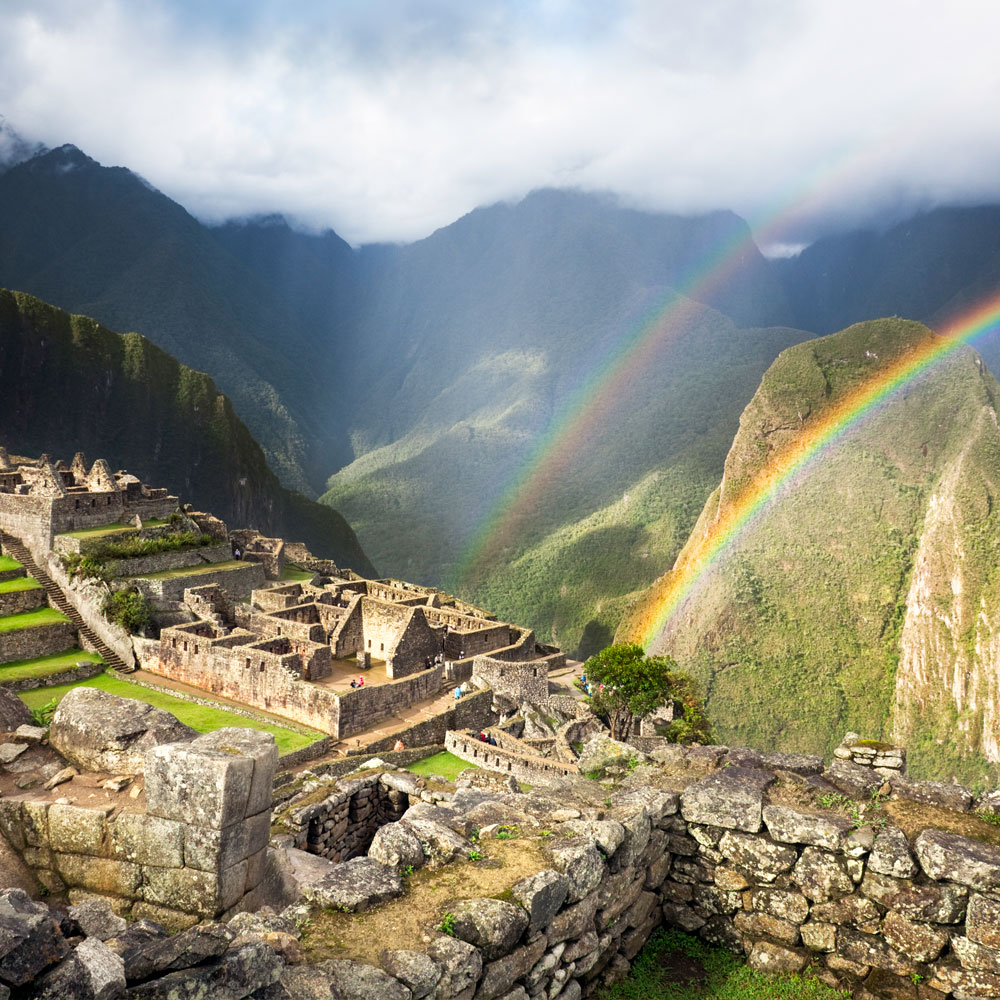
The Madre de Dios REDD Project is located only 400 km from the historic sanctuary of Machu Picchu, the “Lost City of the Incas”. The area is located less than 30 km to the side of the new inter-oceanic road that has recently united Brazil with the Peruvian ports. The project is within the region that belongs to the Ecological Corridor Vilcabamba-Amboró, one of the world’s greatest biodiversity hotspots.

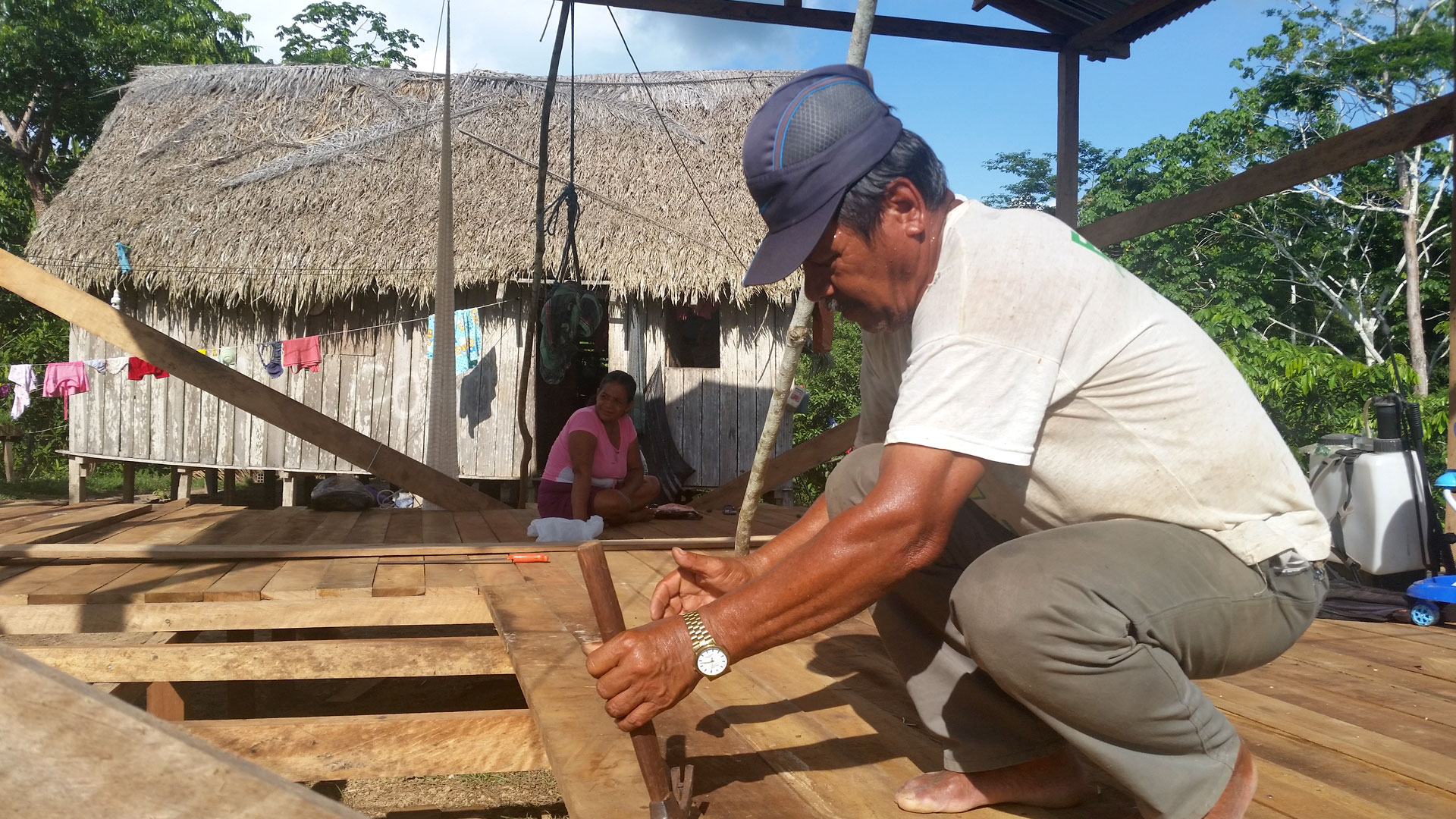
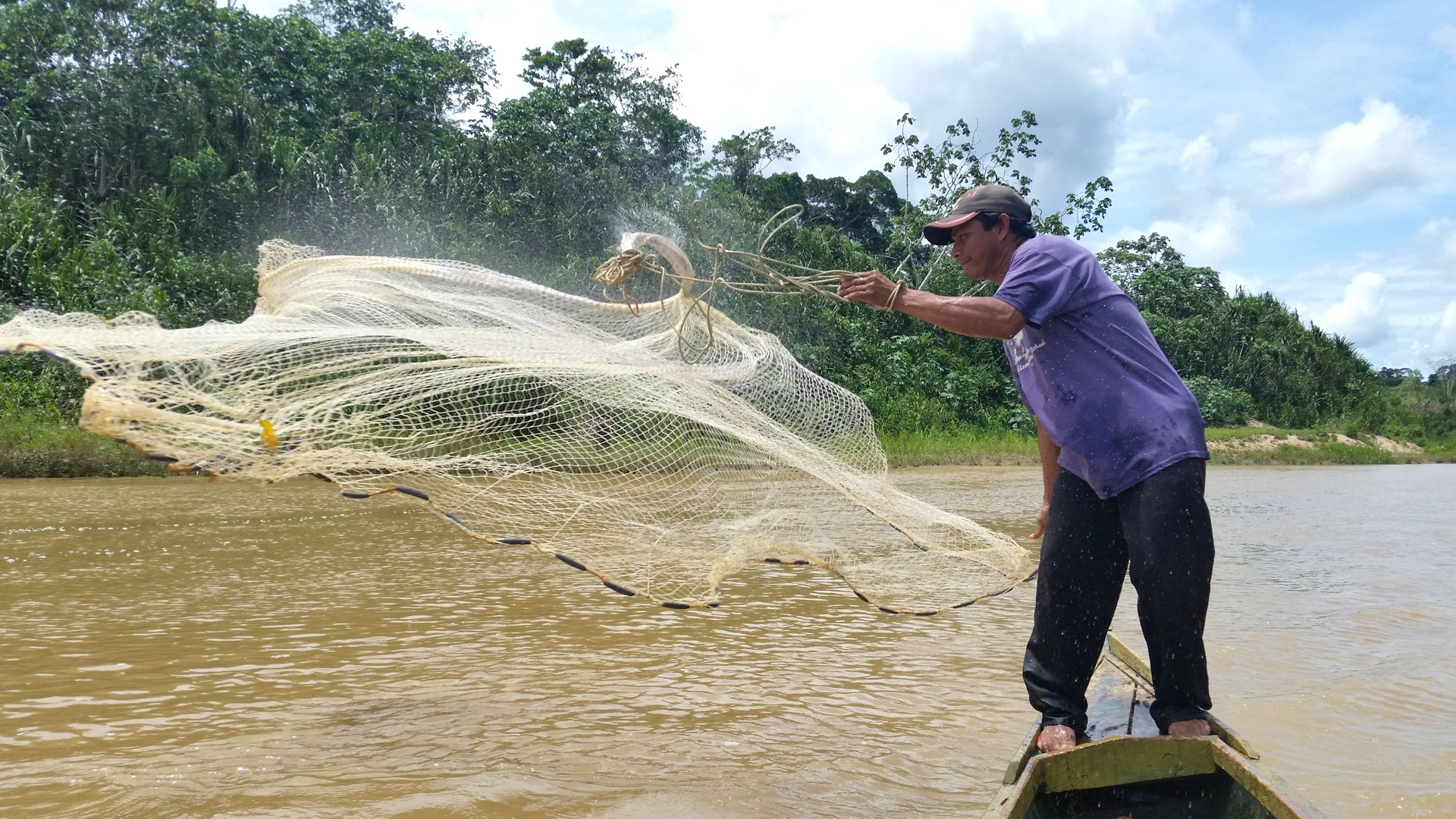
Local employment opportunities: 36% of the total jobs offered by the project per year on average. Acquisition of local services or products from local businesses that represent 53% of the total services acquired per year by the project. Social support (trails and road cleaning, donation of water and food products, infrastructure construction) during the floods that occurred in Iñapari in 2012. Permanent provision of support in cases of social emergencies.

Health Agreement with the CLASS Iñapari Health Center to carry out health campaigns in populations and workers in good health. Monthly donation of medicines to the Native community of Belgium. Compliance with the general and specific labor rights of the Peruvian labor legal framework. 100% of workers have social and health insurance. Compliance with labor rights according to the legal and regulatory framework of Peru for women working on the project. Execution of a Community Development Program whose main line of action is health and education.

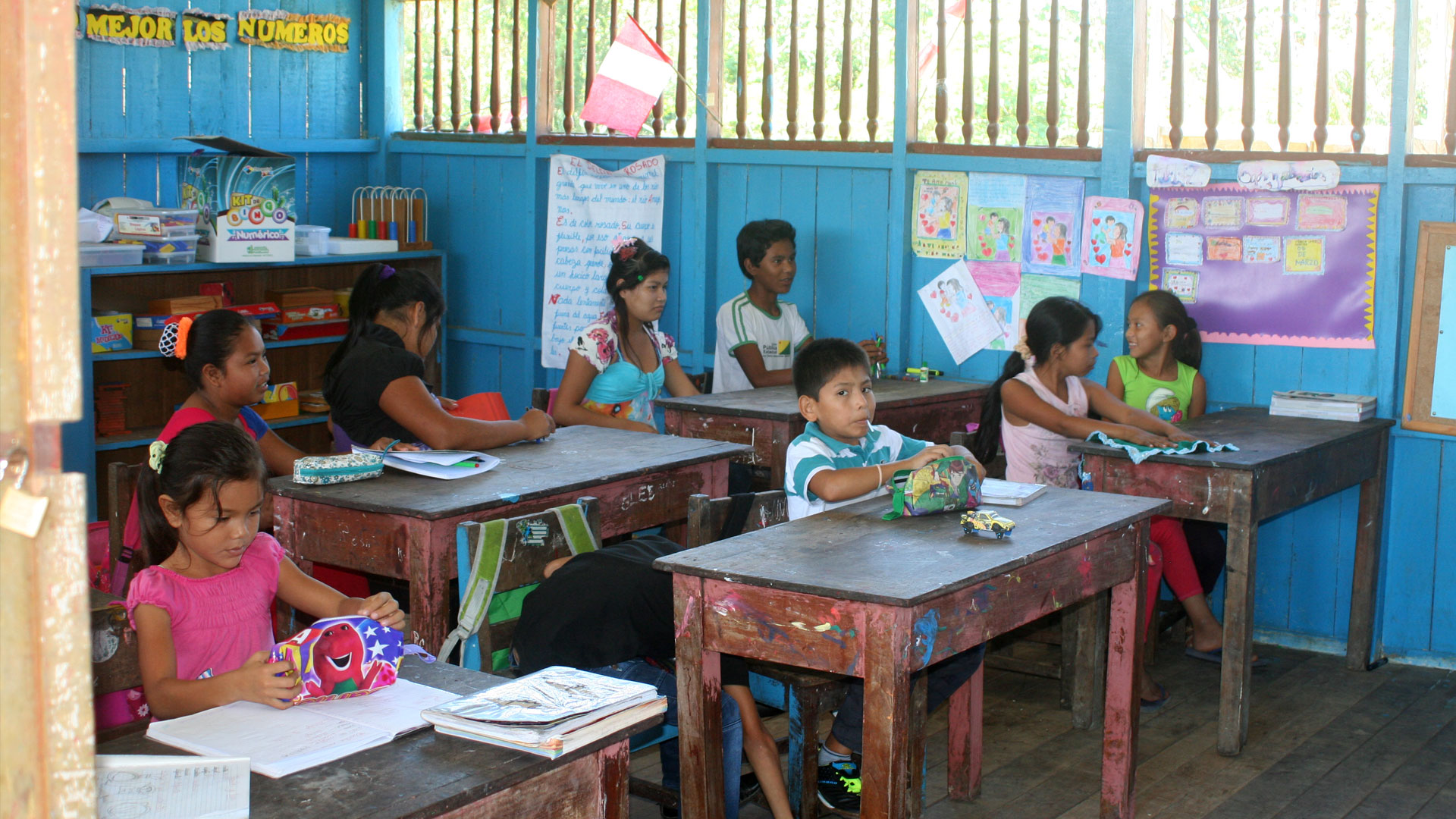
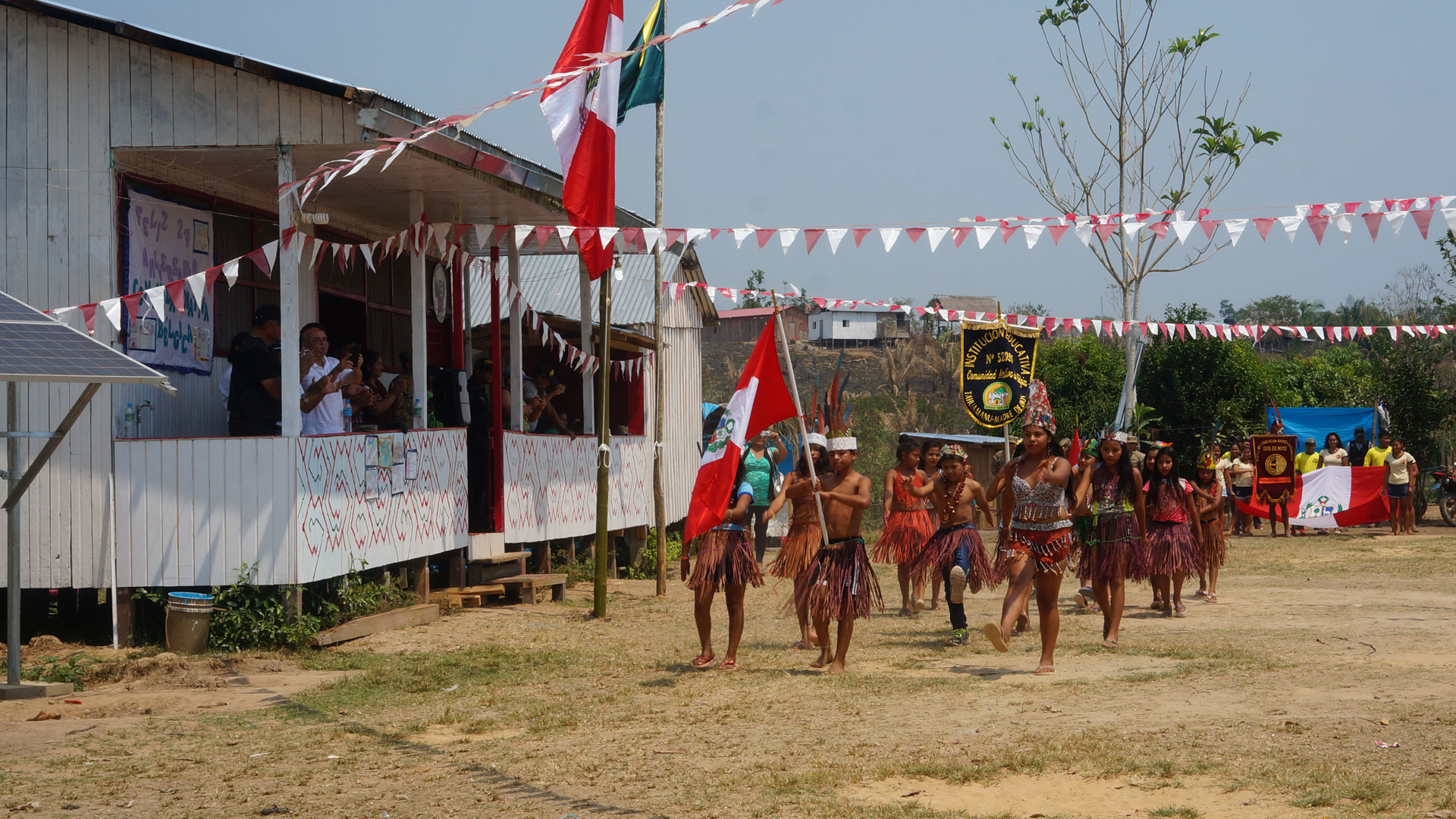
Agreement with the educational institutions of Iñapari to implement environmental education activities. Creation of a CEBA (regular basic education center) for adults from Iñapari and the Belgian Native Community to complete their primary and secondary education. 41 beneficiaries were registered in 2018. School bonus to teachers of the Yine Belgium Native Community to reinforce their school activities with children in initial education and primary education. Execution of a Community Development Program whose main line of action is health and education.

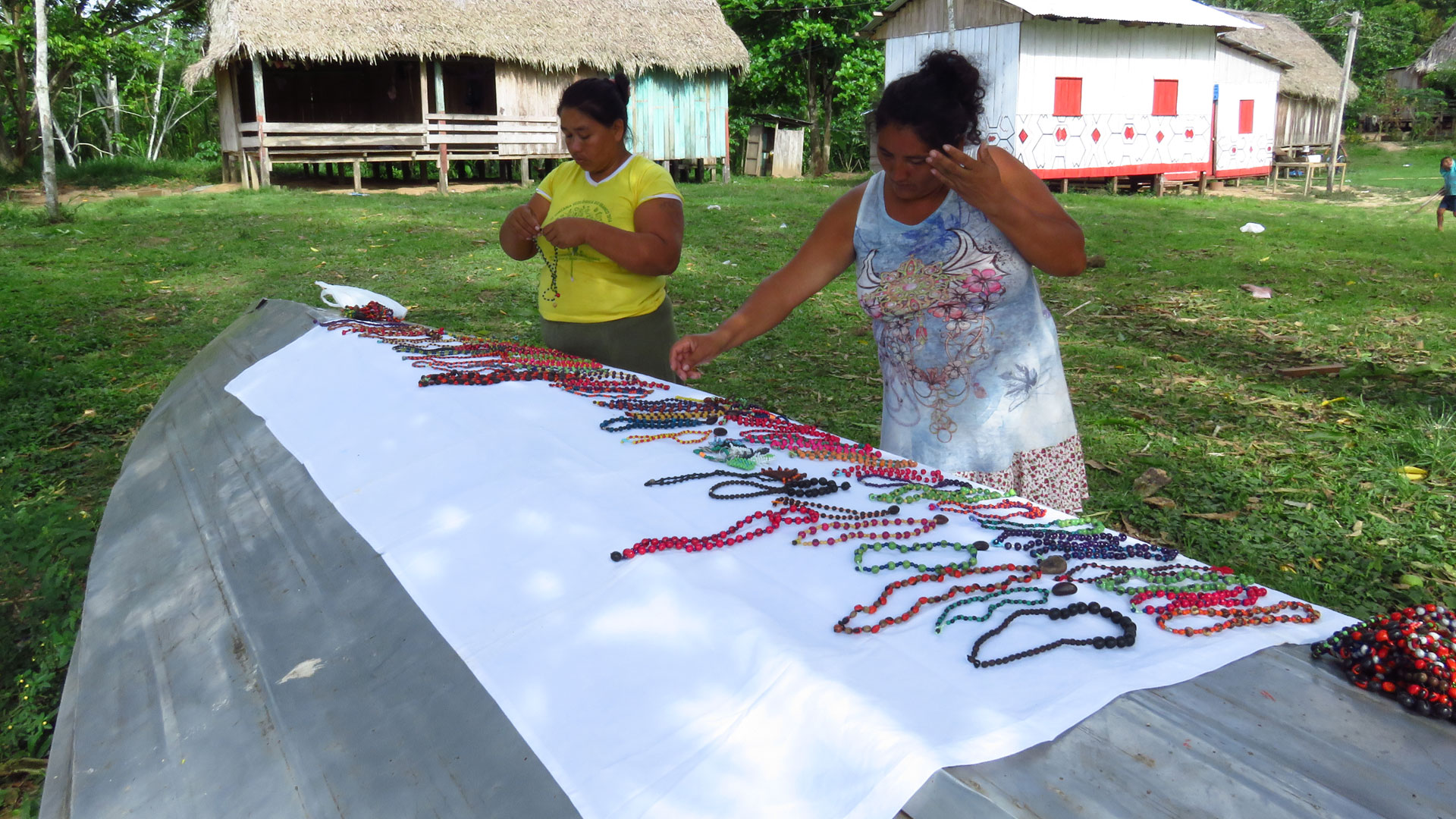
Recruitment of at least 5% of women in the project annually. The middle management positions contemplate the participation of 50% of women. Execution of a handcrafts project with the women of the Belgium Native Community to promote the participation of women in economic activities, their feminine role within the community with capacity development. Participation of female leaders in the Project Advisory Committee as the representative of the Mothers Club of Iñapari. Support in social activities where female participation is promoted, such as fairs, sports activities, Mother’s Day, among others. Total rejection of any discriminatory action based on gender, economy, origin or other in full agreement with the Convention on the Elimination of All Forms of Discrimination against Women (1979), which stipulates "the right to the same employment opportunities"; in ILO Convention No. 100 on equal remuneration (1951): agreement concerning equal remuneration between male and female labor for work of equal value; and in ILO Convention No. 111 on discrimination in employment and occupation (1958) extends its commitment to suppliers.

Local employment opportunities: 36% of the total jobs offered by the project per year in average. Acquisition of local services or products from local businesses that represent 53% of the total services acquired per year by the project. Compliance with the general and specific labor rights of the Peruvian labor legal framework. 100% of workers have social and health insurance.

The Forest Use and Management that employs and promotes the Madre de Dios Amazon REDD Project means an innovative system of establishing a system of harvesting with significant moderate impacts that allows the coexistence of economic activity with ecological biodiversity and in turn generates well-being for the communities in the project area.

Participation of female leaders in the Project Advisory Committee as the representative of the Mothers Club of Iñapari. Recruitment of at least 5% of women annually in the project. The middle management positions contemplate the participation of 50% of women. Acquisition of local services or products from local businesses that represent 53% of the total services acquired per year by the project.

Promotion and execution of environmentally friendly projects to harmonize local production, educational or reforestation activities with the conservation and / or good management of forest resources. Acquisition of local services or products from local businesses that represent 53% of the total services acquired per year by the project. Execution of a Community Development Program whose main line of action is health and education.

FSC certification of the project. Execution of a significant project to prevent deforestation and indiscriminate logging of 97,817.41 hectares. It has a forest that affects the region and the Amazon through a socially responsible and environmentally friendly production system.

Promotion and execution of environmentally friendly projects to harmonize local productive, educational or reforestation activities with the conservation and / or good management of forest resources. Execution of a significant project to prevent deforestation and indiscriminate logging of 97,817.41. Its forest that affects the region and the Amazon basin through a socially responsible and environmentally friendly production system.

The Forest Use and Management that executes and promotes the Madre de Dios Amazon REDD Project means an innovative system of establishing a system of harvesting with significant moderate impacts that allows the coexistence of economic activity with ecological biodiversity and in turn generates the welfare of the communities in the project area. Action protocols for evidence of species or ecosystems of high conservation value. The biodiversity of the project is monitored.

The project develops spaces for Citizen Participation within the scope of the project. The project has an Advisory Committee with which it meets every year to share information about the project and to generate consultations regarding the main needs. This committee is made up of all ethnic and cultural groups in the social sphere of the project, political authorities and women's organizations are present. The project maintains good relations with state institutions and private companies related to the project. The project has contributed to the solid construction of conservation and good forest management in the Native Community Belgium which allowed FSC certification for the forest of said Native Community since 2010.

The project establishes agreements with the institutions of the state of Peru, private companies and non-profit organizations of civil society to improve the quality of education, access to health services, the promotion of sustainable forest management, environmental education in the importance of forests, promotion of environmentally friendly productive projects and partnerships for national and international research and promotion of sustainable management of forest resources.
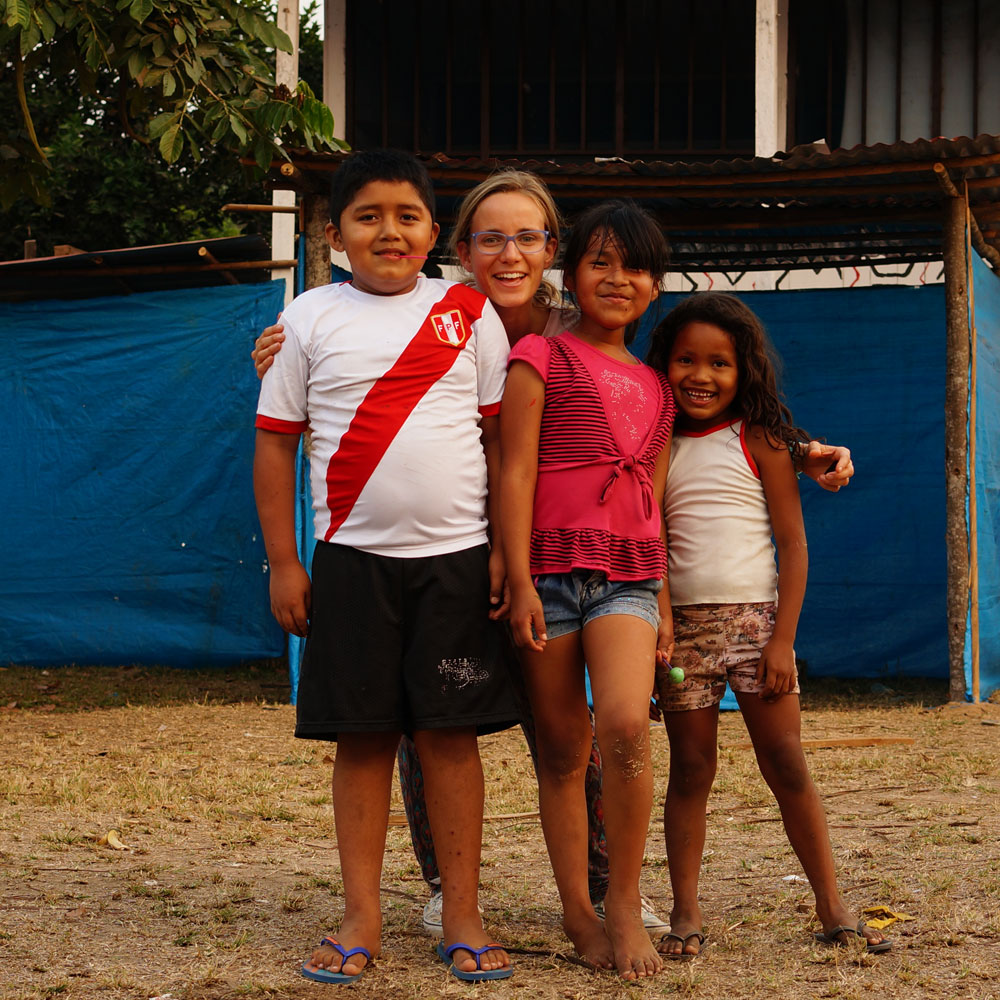
In 2018 the project hired 447 workers, of which 216 belong to local communities and 231 belong to regional communities. In addition, the project has provided direct support to the community including:
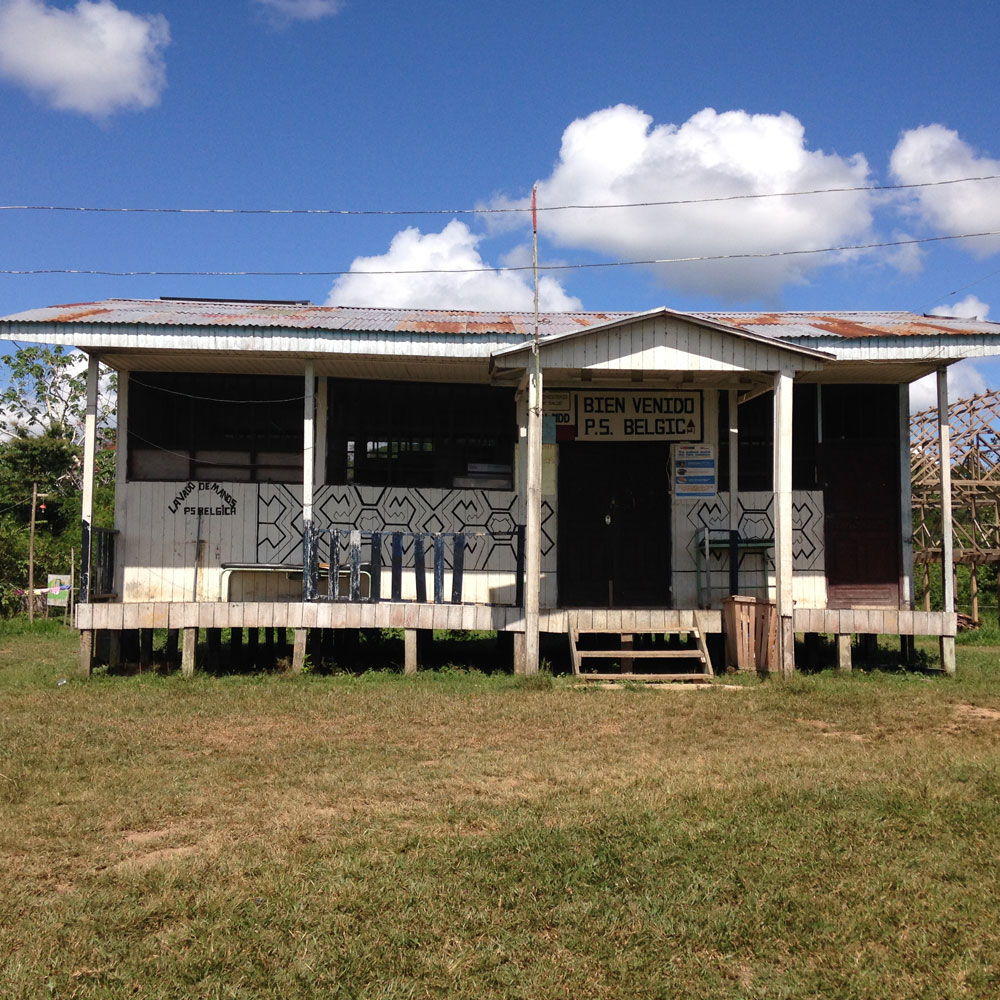
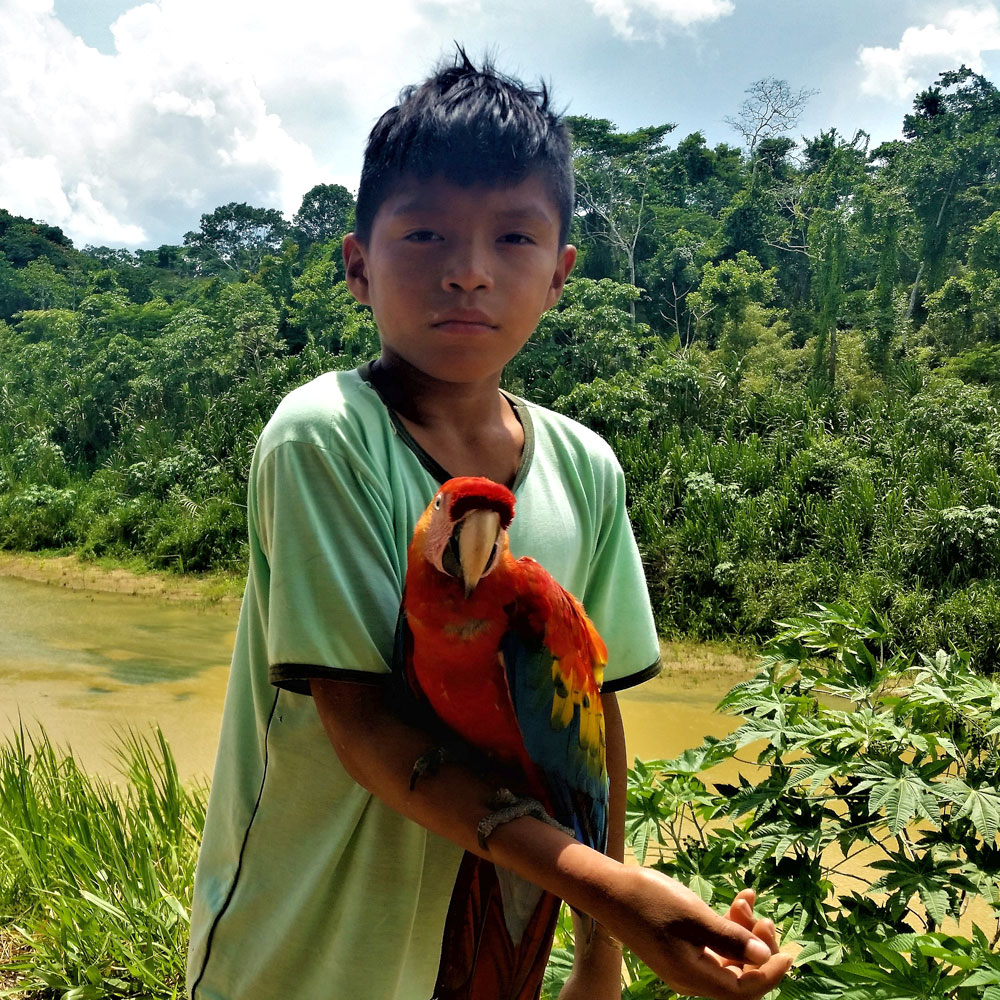
The project incorporates a custody and patrolling plan in order to safeguard the land against potential illegal activity or threats to sustainable forestry management.
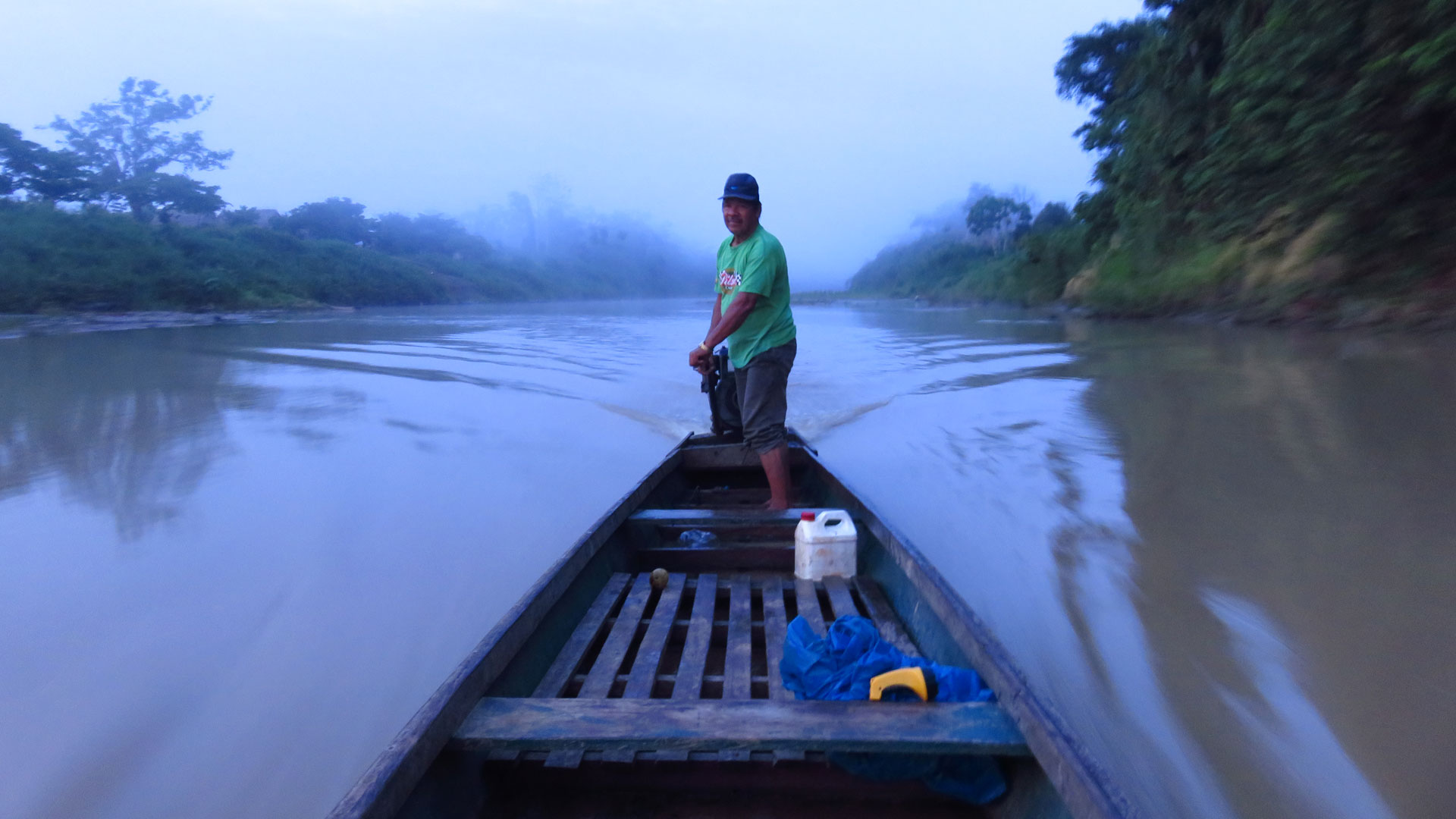
The project's custody plan includes the operation of five control posts strategically located at access points to the forest. Two project workers are permanently stationed at each control post and are equipped with solar energy powered communication equipment and boats for transportation and patrolling the area.
This work is an important aspect of the overall protection and conservation strategy of the Madre de Dios project, which also benefits the nearby Territorial Reserve Madre de Dios and the National Park Alto Purus.
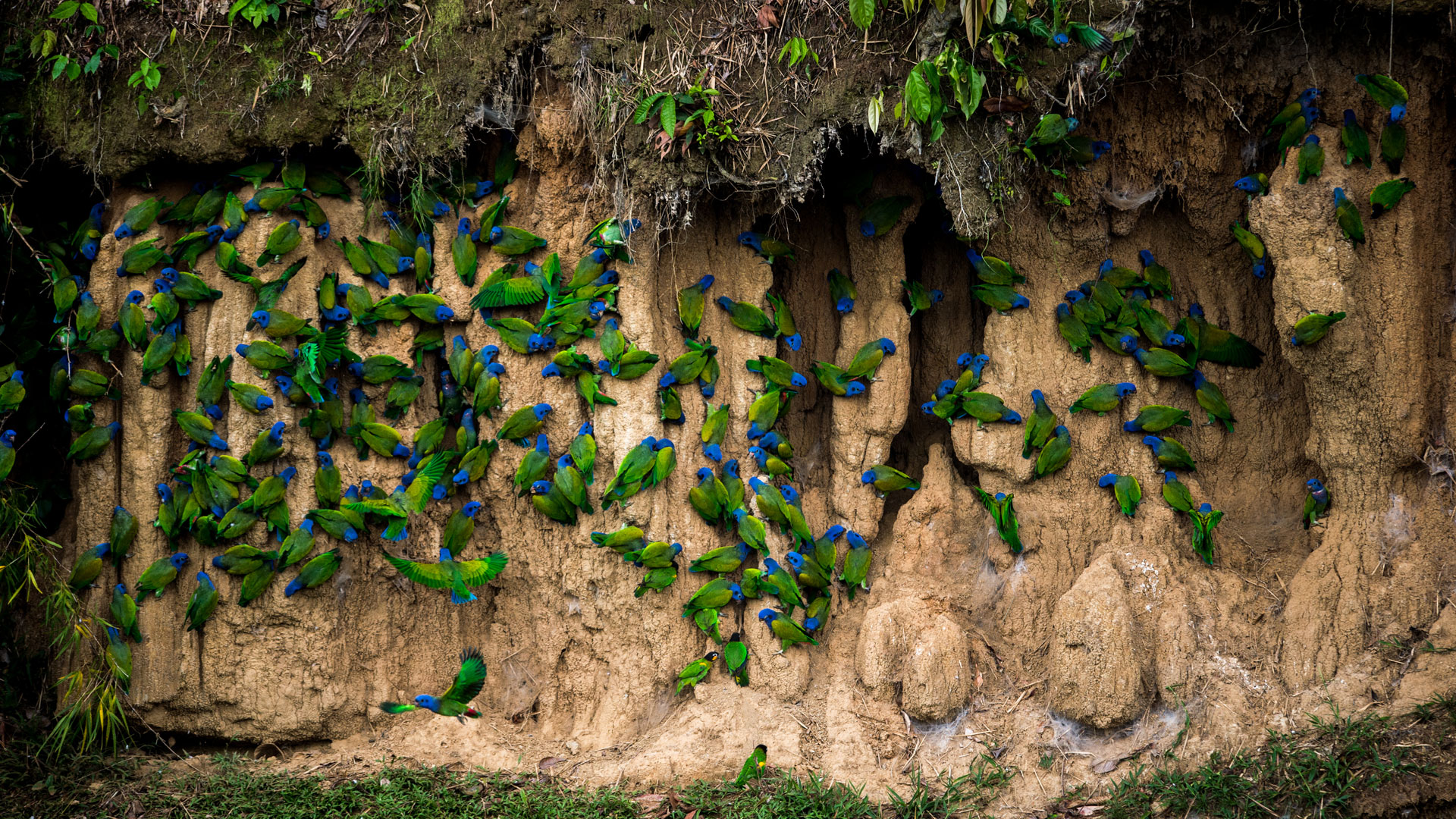
Through educational workshops for the local population, the implementation of the environmentally friendly projects and joint work agreements have allowed the project to protect the rich biodiversity of the area.
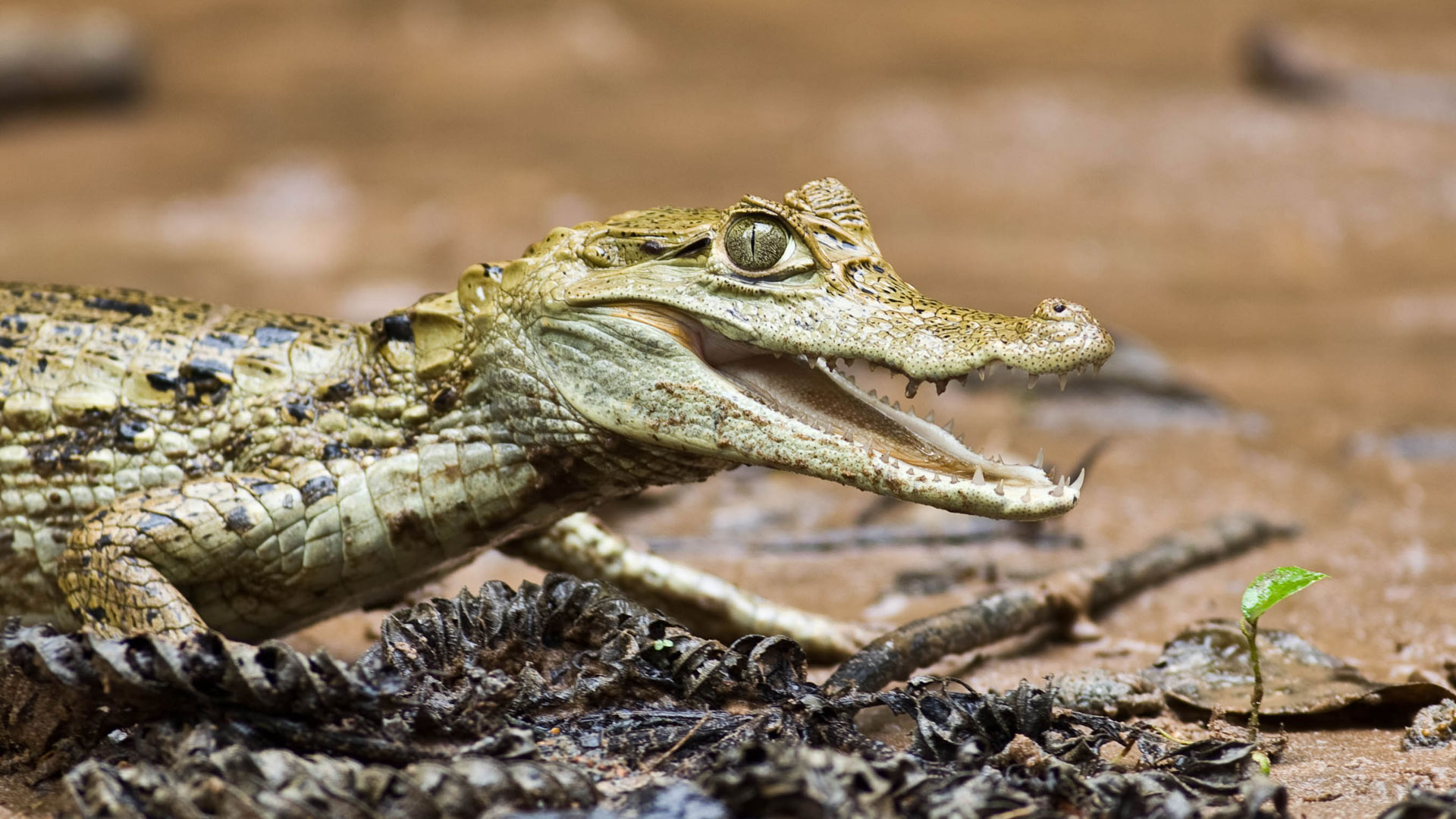
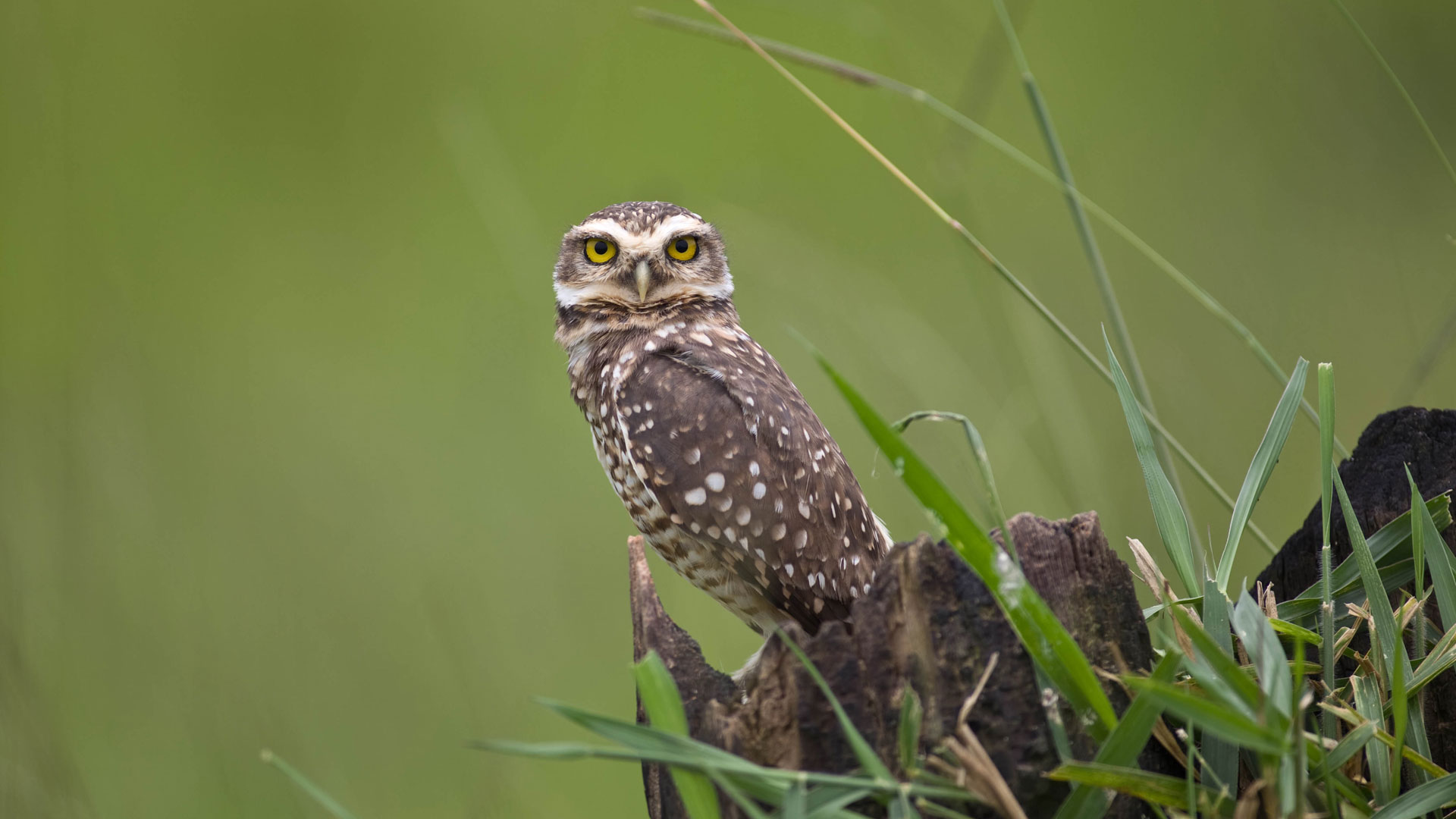
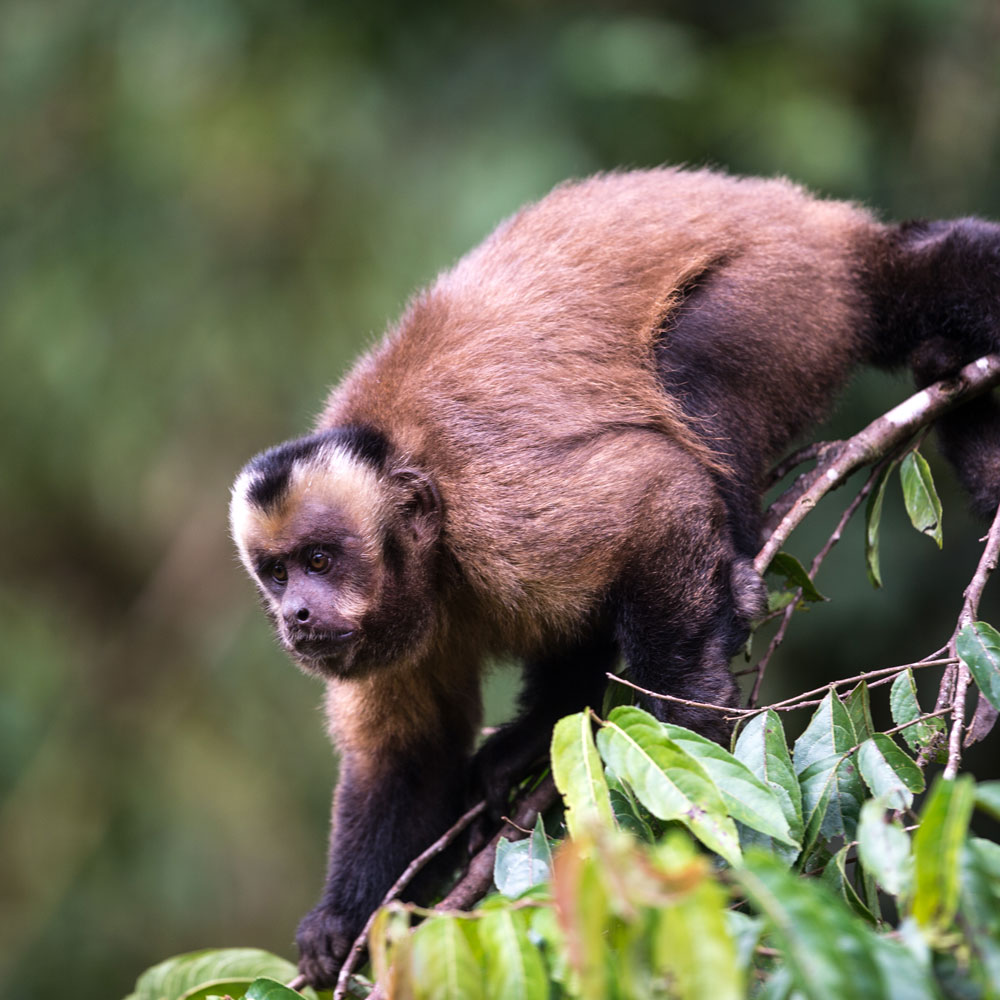
The Madre de Dios Amazon REDD Project guarantees the protection of the high value conservation habitats and the varied species of flora and fauna.
Monitoring was commenced in 2018 by independent specialists who were tasked with documenting local biodiversity and recording the impact of the project. The studies concluded the following:
"The easy observation of wildlife and in particular of species who are generally hunted in other locations and whose populations are sensible to anthropogenic activities, indicate there is no hunting in the area and forestry activities are not affecting their populations."
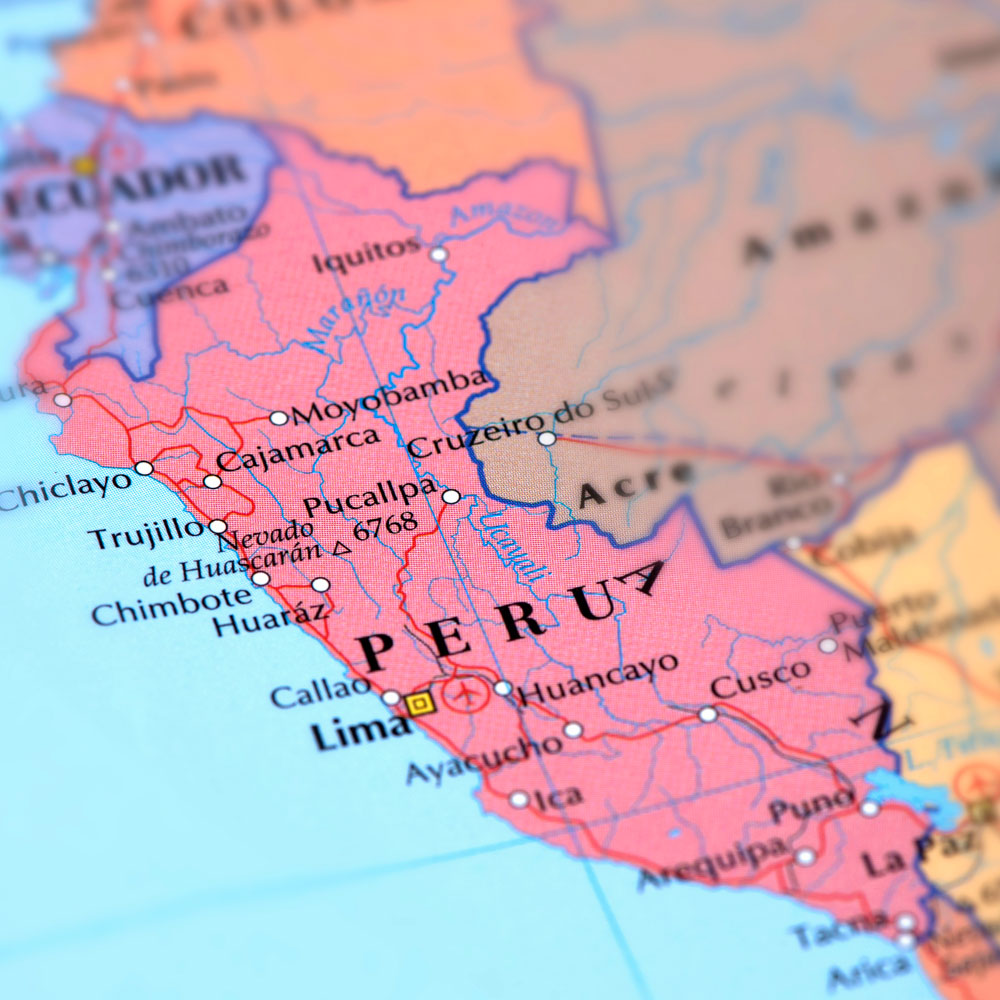
Peru is located in the center of South America sharing borders with Ecuador, Colombia, Brazil, Bolivia and Chile. It has a total area of 1,285,215.6 km2. The coast, a narrow desert strip, borders the Pacific Ocean, covering 11.7% of the territory where 54.6% of the total estimated 33 million (2020) people live. Peru has a relatively young population with more than half being under 30 years. Peru’s geography is incredibly diverse, with the massive Andean cordillera dividing its surface into three natural regions: the Costa (arid coastal plains, where approximately 55% of the population resides) to the west; the Sierra (highlands, with 32% of the population); and the Selva (the lush Amazon rainforest, with 13% of the population) to the east.
The country’s latitude, its mountain ranges, sharp variations in topography, and the Humboldt (ocean) Current create dramatically different climatic zones. Its geographic diversity exposes Peru to natural hazards—it has seven of the nine possible characteristics that make a country vulnerable to natural disasters: earthquakes, flash flooding, landslides, and volcanic activity, among them. Peru is vulnerable to the impacts of climate change, especially from natural disasters, which include earthquakes, flash flooding, landslides, and volcanic activity, among others, especially with majority of its population residing along the coast.
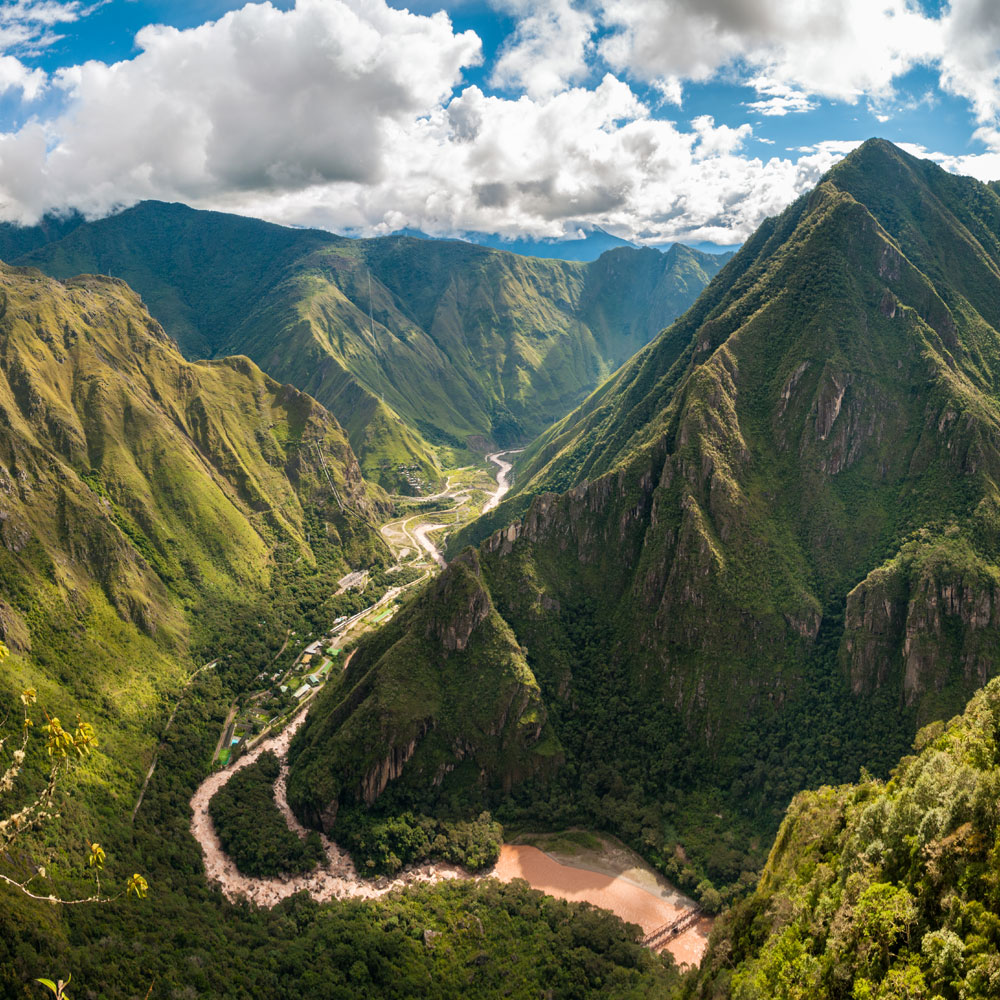

Along the southern and central coast, temperatures vary from 13 ̊–26 ̊C, with colder months in May and October. The north has a more semi-tropical climate and temperatures average 24 ̊C. In the Andean highlands, climate varies with elevation; traditionally, a rainy season occurs from September– March (although it can start as late as December) and a dry, cold season from May–August. Average temperatures range from 11 ̊–18 ̊C, and annual rainfall from 50–1000 mm, with drier conditions along the southwest and wetter conditions along the east. The northern Andes are subject to frosts, while the southern Andes are drought-prone. The Eastern lowlands and Amazon rainforest have a tropical climate, with high temperatures and rainfall throughout the year. Average temperatures range from 22 ̊C in the eastern Andes to 31 ̊C in the Amazon, with annual rainfall from 1,000–3,000 mm.
Since the 1960s, Peru has experienced increased precipitation along the coast and northern mountains, coupled with increased intensity and frequency of rainfall events.
Rainfall has decreased in the northern rainforests, and the intensity and frequency
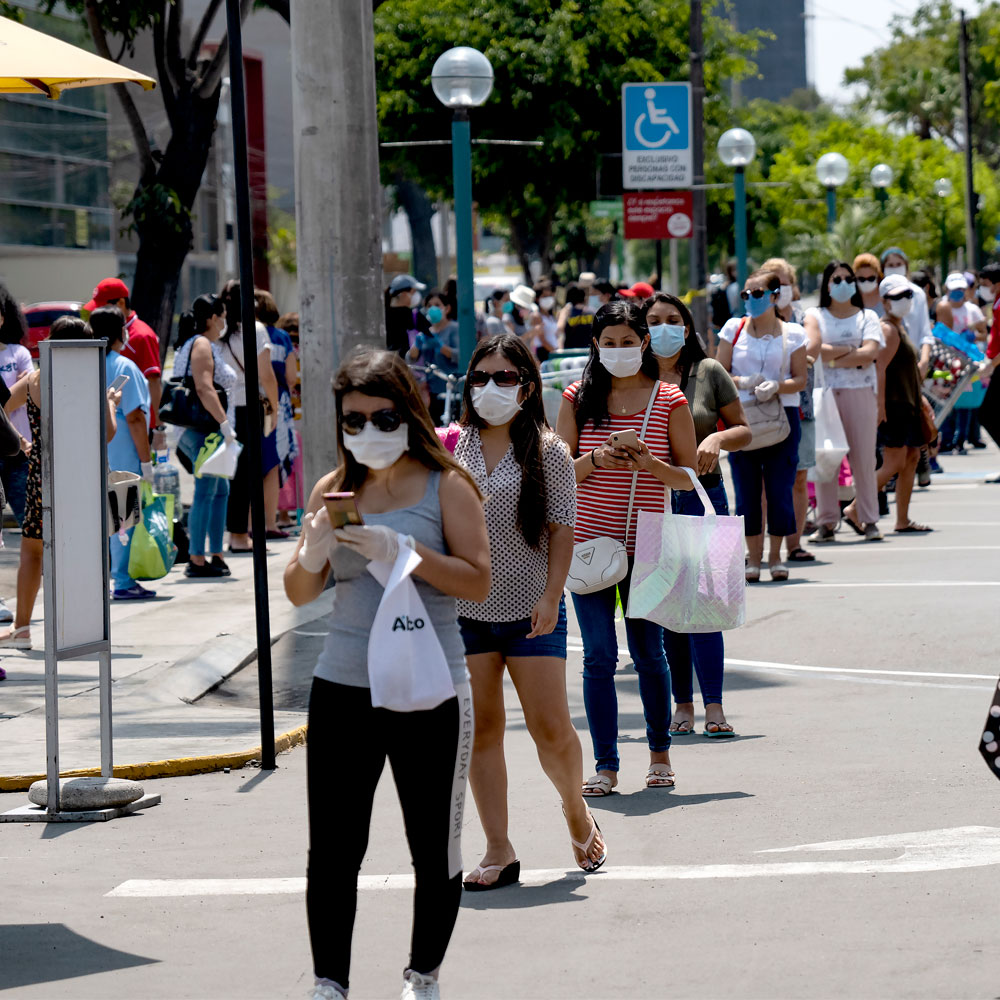
The COVID-19 pandemic has had a devastating impact on the country. A strict and prolonged quarantine led to a decline in GDP of 11.1 percent in 2020. Employment fell an average of 20 percent between April and December. In response, the government launched a global program of economic compensation and aid to protect the vulnerable population and support businesses, which includes cash transfers, postponement of tax payments and credit guarantees for the private sector. This program has mobilized resources equivalent to 20 percent of GDP. Despite this effort, the economic slowdown and rising unemployment have driven up the poverty rate by some 6 percentage points, to around 27 percent in 2020, pushing almost two million people into poverty.
The public deficit increased to 8.9 percent in 2020, from 1.6 percent the previous year. Owing to the sharp decline in economic activity, revenues fell dramatically. Additionally, the fiscal component of the aid program (healthcare expenditures, social transfers and payroll subsidies, among others), estimated at 7 percent of GDP, raised government expenditures. With this, the public debt had reached 35 percent of GDP by the end of 2020, above the legal limit of 30 percent.In terms of external accounts, export and import volumes fell sharply.
Notwithstanding, the current account of the balance of payments showed positive changes in 2020, thanks to better terms of trade, especially in the second half of the year.
Considering the depth of the recession in 2020, a strong rebound is expected for 2021, assuming that public investment will be faster paced and that better international conditions will result from the implementation of the COVID-19 vaccination campaign. At the domestic level, the prevalence of some restrictions, risk aversion and uncertainty may slow the recovery of private spending. In this